

About
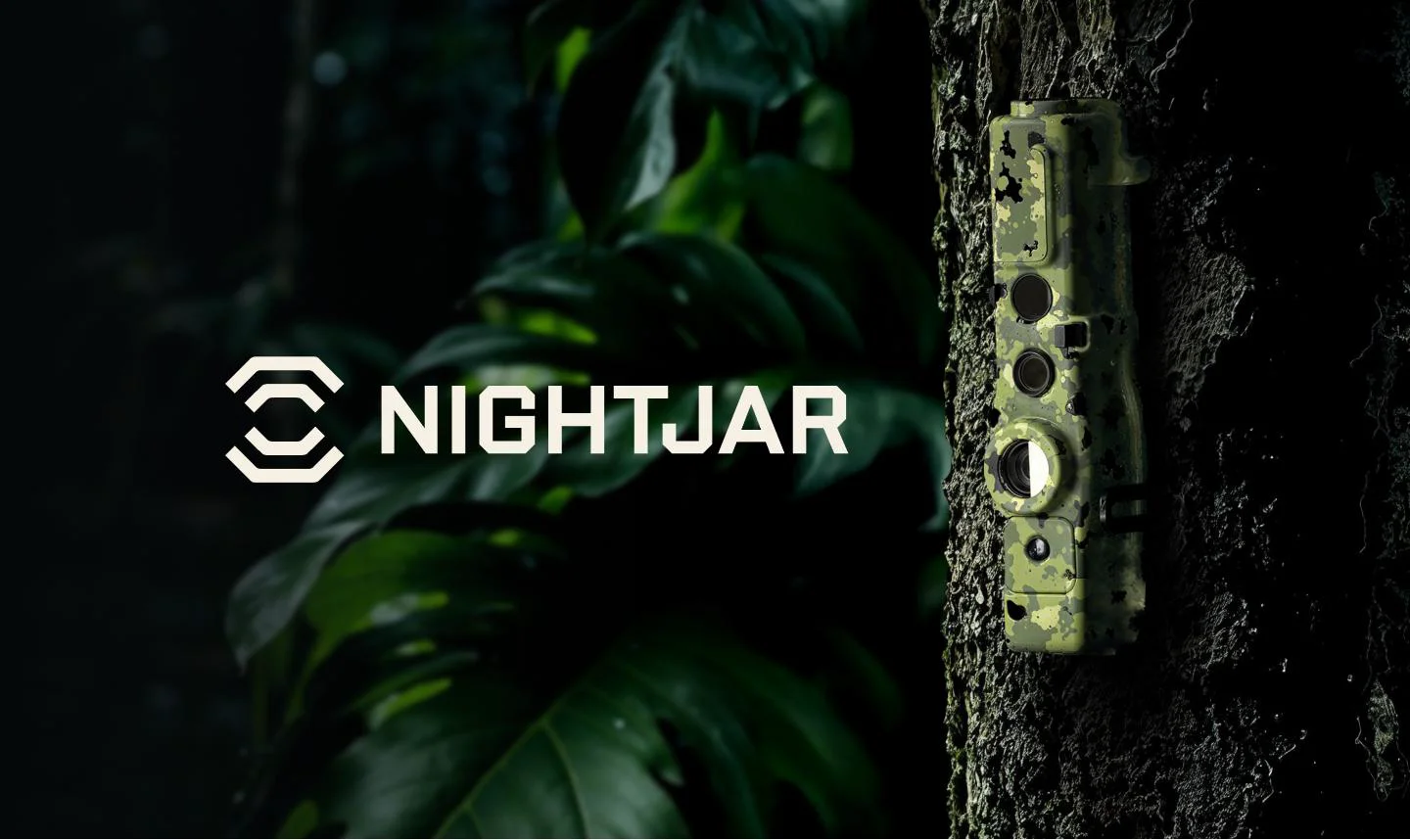
TrailGuard is a revolutionary AI-powered camera trap system developed by Nightjar to protect endangered species, prevent poaching, and promote human-wildlife coexistence. Designed for deployment along trails, access points, or sensitive boundaries, each unit runs deep neural network algorithms on embedded Intel Movidius Myriad X VPUs, performing real-time image inference in milliseconds without requiring a cloud connection for initial detection. When motion is triggered, TrailGuard captures four consecutive images, analyzes them with onboard AI, and — if a recognized object is confirmed — transmits an alert via cellular, long-range radio, or satellite networks in under 30 seconds. A secondary cloud-based AI analysis layer further refines accuracy before delivering the alert to rangers or conservation teams via an integrated dashboard, SMS, or email. Unlike traditional camera traps that drain batteries capturing thousands of useless images, TrailGuard uses wake-on-demand processing that keeps the unit in low-power sleep mode until motion is detected, extending battery life to up to 2 years. The system currently supports 8+ detection models covering bears, primates, elephants, rhinos, felines, humans, canids, bovines, and vehicles, with new models added regularly. TrailGuard is ideal for conservation organizations, park rangers, national governments, and NGOs combating illegal poaching, logging, and mining, as well as researchers monitoring wildlife corridors, roads, and railways. Starting at $799 per unit, it has been successfully deployed in more than 20 countries worldwide.
Key Features
- Onboard Edge AI Detection: Powered by Intel Movidius Myriad X VPUs running deep neural networks, TrailGuard performs object detection and image classification in milliseconds directly on the device — no cloud dependency for initial inference.
- 30-Second Real-Time Alerts: From motion trigger to delivered alert in under 30 seconds, transmitting via cell network, long-range radio, or satellite to rangers and conservation teams through dashboard, SMS, or email.
- 2-Year Battery Life: Wake-on-demand AI processing keeps the unit in ultra-low-power sleep mode, activating only on motion — extending battery life up to 2 years compared to 6 months for traditional camera traps.
- 8+ Species & Object Detection Models: Identifies bears, primates, elephants, rhinos, felines, humans, canids, bovines, and vehicles, with new detection models added regularly to expand coverage.
- Dual-Layer AI Accuracy: Onboard AI performs a fast first-pass inference, followed by a more powerful cloud AI analysis on Nightjar's servers to improve accuracy before the alert reaches the user.
Use Cases
- Anti-poaching operations: Alerting rangers within 30 seconds of detecting humans in restricted protected areas, enabling rapid interception before poachers can harm wildlife.
- Human-wildlife conflict mitigation: Monitoring boundaries between wildlife habitats and agricultural lands or transportation corridors to warn communities of approaching elephants, big cats, or other dangerous animals.
- Illegal activity detection: Identifying unauthorized vehicles, loggers, or miners in protected forests and indigenous territories to trigger rapid law-enforcement response.
- Wildlife corridor and road monitoring: Tracking species movement across roads, railways, and migration corridors to support infrastructure planning and reduce vehicle-wildlife collisions.
- Conservation research and population monitoring: Generating timestamped, AI-classified wildlife encounter data across large areas to support species population studies and habitat assessments without researcher presence.
Pros
- Dramatically Faster Response: Sub-30-second alert delivery enables real-time intervention against poachers or wildlife conflicts — something traditional camera traps requiring SD card retrieval cannot provide.
- Exceptional Battery Longevity: Up to 2 years of battery life drastically reduces maintenance visits in remote or dangerous terrain, lowering operational costs for conservation teams.
- Versatile Multi-Use Deployment: A single platform covers anti-poaching, wildlife corridor monitoring, illegal mining/logging detection, and human-wildlife conflict mitigation across diverse environments.
- Proven Global Track Record: Deployed in 20+ countries with a reported 98.5% accuracy headline, providing demonstrated reliability across diverse ecosystems and threat scenarios.
Cons
- High Upfront Hardware Cost: Starting at $799 per unit, the cost may be prohibitive for small NGOs or underfunded conservation projects that need wide-area coverage with many units.
- Connectivity Dependency for Alerts: Real-time alert transmission requires access to cellular, radio, or satellite networks — which may be limited or expensive in very remote conservation areas.
- Physical Maintenance Still Required: Despite long battery life, units still need physical access every 1–5 years for battery swaps and potential hardware servicing in the field.
Frequently Asked Questions
How is TrailGuard different from a traditional camera trap?
Traditional camera traps capture images on an SD card with no real-time alerts, requiring rangers to physically retrieve the card every few months. TrailGuard uses onboard AI to analyze images instantly and sends alerts in under 30 seconds via cell, radio, or satellite, enabling immediate on-the-ground response.
What species and objects can TrailGuard detect?
TrailGuard currently supports 8+ detection models including bears, primates, elephants, rhinos, felines, humans, canids (dogs/wolves), bovines, and vehicles. Nightjar regularly adds new identification models to expand coverage.
How long does the battery last?
TrailGuard's battery lasts up to 2 years (with a swap interval of 1–5 years depending on activity levels), compared to roughly 6 months for traditional camera traps. This is achieved through wake-on-demand AI processing that keeps the unit in sleep mode until motion is detected.
How are alerts delivered to rangers or conservation teams?
Alerts are transmitted within 30 seconds of a confirmed detection via cellular network, long-range radio, or satellite. Users receive notifications through TrailGuard's integrated dashboard, as well as via SMS or email.
Where has TrailGuard been deployed and what does it cost?
TrailGuard has been deployed in 20+ countries across Africa, Asia, and the Americas for anti-poaching, wildlife monitoring, and community protection. Units start at $799; contact Nightjar for pricing on multi-unit deployments or specific conservation programs.