

About
BirdReturns is a conservation marketplace designed to restore migratory bird habitat across California's Central Valley by incentivizing landowners to temporarily flood their working lands. Operated by The Nature Conservancy, the platform targets the Pacific Flyway — a migratory corridor stretching from the Arctic to the southern tip of South America — where birds depend on seasonal wetlands to rest and refuel during their long journeys. The program offers multiple participation tracks tailored to different land types and seasons. Farmland programs recruit Sacramento Valley and Sacramento–San Joaquin Delta farmers to flood fields during spring, summer, and fall windows, with a dedicated program for Sandhill Crane habitat. Wetland programs engage private wetland managers to improve and extend the conservation value of the Central Valley's existing network of managed wetlands. By matching habitat supply with real-time bird movement data, BirdReturns ensures that flooding occurs where and when birds need it most — making it one of the most targeted and efficient habitat delivery models in conservation. Farmers and land managers benefit through direct financial compensation, improved groundwater recharge, and enhanced farm resilience. The platform is free to join for eligible landowners in California's key agricultural regions and is backed by ongoing research and transparent reporting on bird population outcomes.
Key Features
- Targeted Habitat Marketplace: Matches seasonal land flooding with real-time bird migration data to deliver habitat exactly where and when migratory birds need it most along the Pacific Flyway.
- Multiple Program Tracks: Offers distinct programs for spring, summer, and fall wetlands, farmland flooding, and dedicated Sandhill Crane habitat — accommodating a range of land types and schedules.
- Landowner Compensation: Farmers and private wetland managers receive direct financial payments for participating, turning conservation activity into a revenue stream for working lands.
- Groundwater Recharge Benefits: Seasonal flooding on agricultural lands contributes to groundwater replenishment, adding an environmental co-benefit beyond bird habitat.
- Pacific Flyway Conservation Scale: Programs are designed to collectively restore migratory bird populations across a flyway spanning from the Arctic to South America.
Use Cases
- A Sacramento Valley rice farmer floods fallow fields after harvest to earn conservation payments while providing critical fall stopover habitat for migratory shorebirds.
- A private wetland manager extends seasonal flooding windows beyond their normal schedule to improve habitat quality and earn additional income through the Wetlands program.
- A Delta farmer enrolls in the Sandhill Crane program to provide targeted habitat for this iconic species while improving on-farm groundwater recharge.
- Conservation organizations use BirdReturns data to track habitat delivery outcomes and demonstrate measurable progress toward Pacific Flyway bird population recovery goals.
- Agricultural operations integrate BirdReturns participation into their annual land management plans as a supplemental revenue stream during otherwise idle seasonal periods.
Pros
- Landowners Get Paid: Participants receive direct financial compensation for conservation activities, making it economically attractive for farmers and wetland managers to join.
- Flexible Participation: Multiple seasonal programs let landowners choose the timing and type of habitat that best fits their land management schedule.
- Science-Driven Targeting: Habitat needs are matched to bird movement data, ensuring that participant efforts have measurable conservation impact rather than guesswork.
Cons
- California-Specific: Currently limited to California's Central Valley and Delta regions, so landowners outside these areas cannot participate.
- Eligibility Requirements: Only farmers and private wetland managers in specific geographic zones qualify, limiting accessibility for the general public or organizations outside the target region.
- Seasonal Commitment: Participation requires managing water and land conditions within defined seasonal windows, which may conflict with standard agricultural operations.
Frequently Asked Questions
Who is eligible to participate in BirdReturns?
BirdReturns is open to farmers in the Sacramento Valley and Sacramento–San Joaquin Delta, as well as private wetland managers across California's Central Valley. Eligibility depends on land location and type.
How do participants get compensated?
Landowners receive direct financial payments for flooding their fields or wetlands during program windows. Compensation details are provided when signing up for a specific program track.
What birds does BirdReturns help?
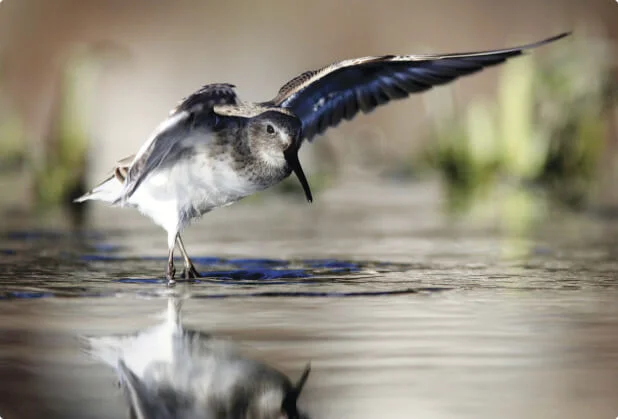
The program primarily supports migratory shorebirds and waterfowl traveling the Pacific Flyway, including species like Dunlin and Sandhill Cranes, which rely on California's Central Valley as a critical stopover.
What are the different program options?
BirdReturns offers Farmlands programs (spring, summer, fall wetlands), a Sandhill Cranes program, and a Wetlands program for private wetland managers — each with different seasonal timing and habitat requirements.
Is there a cost to join BirdReturns?
No. BirdReturns is free for eligible landowners to join. The program pays participants for providing habitat rather than charging them.