
About
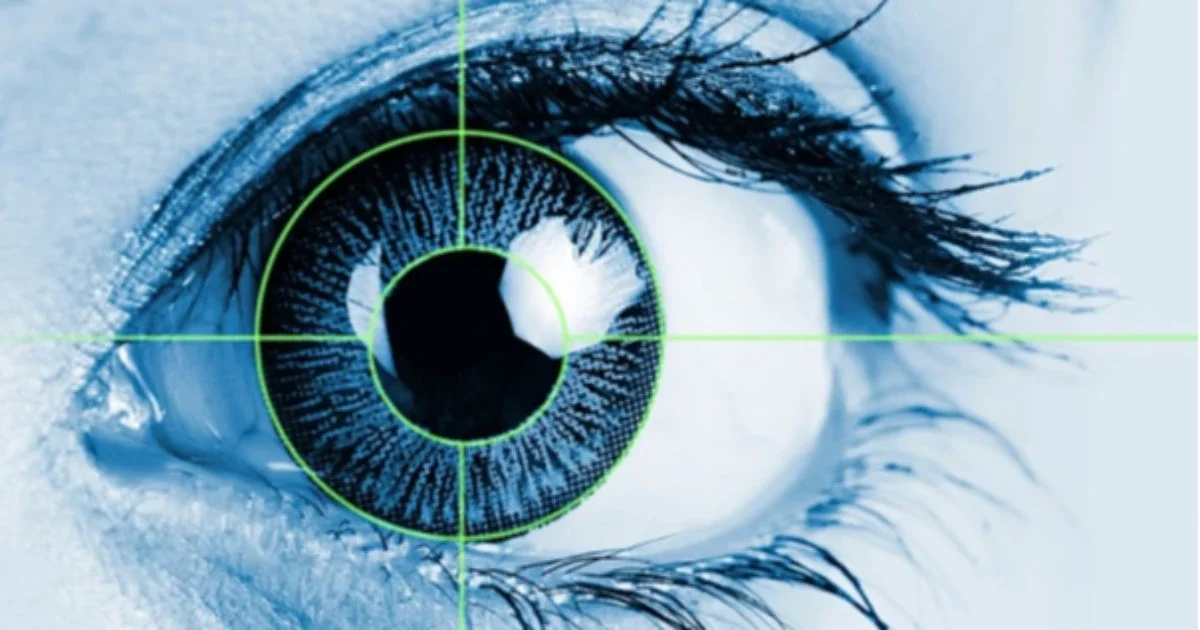
Bynocs is an advanced AI-powered vision therapy platform designed to treat binocular vision disorders through clinically developed digital programs. With over 8 years in vision care, Bynocs serves patients and ophthalmology clinics globally, offering four specialized therapy programs: AmblyGo (for amblyopia/lazy eye), SquintEase (for intermittent strabismus/squint), DeStrain (for computer vision syndrome and digital eye strain), and NeoAdaptor (for neuroadaptation following cataract surgery with multifocal intraocular lenses). The platform uses adaptive AI algorithms and eye-tracking technology to create personalized therapy sessions that evolve with the patient's progress. Therapy can be conducted from the comfort of home or at a nearby partnered clinic, with sessions monitored by certified vision specialists. Bynocs is backed by a global medical advisory board and peer-reviewed clinical studies confirming measurable improvements in visual acuity, binocular coordination, and eye strain reduction. With a 4.9-star user satisfaction rating from over 1,000 patients and adoption by 500+ clinics in 30+ countries, Bynocs is a trusted solution for both pediatric and adult vision therapy. It is suitable for children with developmental eye disorders, adults with amblyopia, professionals experiencing chronic screen fatigue, and post-surgical cataract patients requiring visual adaptation support.
Key Features
- Specialized Therapy Programs: Four targeted programs — AmblyGo, SquintEase, DeStrain, and NeoAdaptor — address specific binocular vision disorders with clinically designed exercises.
- AI-Adaptive Personalization: Advanced algorithms and eye-tracking technology continuously adapt therapy sessions to each patient's unique visual needs and progress.
- Home & Clinic Flexibility: Patients can complete therapy from home or at a nearby partnered clinic, with consistent progress monitoring and specialist guidance throughout.
- Clinically Validated Outcomes: Peer-reviewed studies support measurable improvements in amblyopia, binocular vision, and digital eye strain for both children and adults.
- Global Clinical Network: Adopted by 500+ clinics across 30+ countries, backed by a global medical advisory board of ophthalmologists and vision therapy specialists.
Use Cases
- A child diagnosed with amblyopia (lazy eye) undergoing AmblyGo therapy at home to stimulate the weaker eye and restore binocular vision without patching.
- An adult with intermittent exotropia using SquintEase exercises to improve eye alignment and reduce episodes of eye drift during daily activities.
- A software developer suffering from chronic digital eye strain using DeStrain therapy to alleviate headaches, dry eyes, and blurred vision caused by prolonged screen use.
- A post-cataract surgery patient experiencing visual disturbances from multifocal IOLs using NeoAdaptor to support neuroadaptation and improve visual comfort.
- An ophthalmology clinic integrating Bynocs into their practice to offer patients a cloud-based, AI-powered vision therapy supplement alongside traditional eye care.
Pros
- Scientifically Validated: Bynocs programs are supported by peer-reviewed clinical research and a global medical advisory board, lending strong credibility to its therapeutic claims.
- Home-Based Convenience: Patients can undergo effective vision therapy from home, removing the need for frequent in-person clinic visits while still receiving specialist oversight.
- Broad Condition Coverage: Addresses multiple vision disorders — lazy eye, squint, digital eye strain, and post-surgical adaptation — under a single platform.
- Strong Global Adoption: Trusted by over 500 clinics across 30+ countries, demonstrating proven real-world efficacy and broad professional acceptance.
Cons
- Niche Audience: Designed specifically for vision therapy patients and eye care professionals, limiting its utility outside of ophthalmology and optometry contexts.
- Requires Specialist Involvement: While home-based, optimal outcomes typically require guidance from a certified vision therapist or ophthalmologist, which may not be accessible to all users.
- Pricing Not Publicly Listed: Full program pricing is not transparently available on the website; users must contact the team or request a demo to understand costs.
Frequently Asked Questions
What conditions does Bynocs treat?
Bynocs treats amblyopia (lazy eye), intermittent strabismus (squint), computer vision syndrome (digital eye strain), and post-surgical neuroadaptation following cataract surgery with multifocal intraocular lenses.
Can adults use Bynocs, or is it only for children?
Bynocs is suitable for both children and adults. Programs like AmblyGo are specifically designed to address amblyopia even in adult patients, contrary to older treatment assumptions that limited therapy to early childhood.
Do I need to visit a clinic to use Bynocs?
No. Bynocs offers both home-based and clinic-based therapy options. Patients can complete sessions from home while receiving remote guidance and progress monitoring from certified vision specialists.
Is Bynocs clinically validated?
Yes. Bynocs programs are backed by peer-reviewed clinical studies and supported by a global medical advisory board composed of ophthalmologists and vision therapy professionals.
How do I get started with Bynocs?
You can request a free demo through the Bynocs website or contact their team directly. A certified specialist will guide you through the appropriate program based on your specific vision condition.