

About
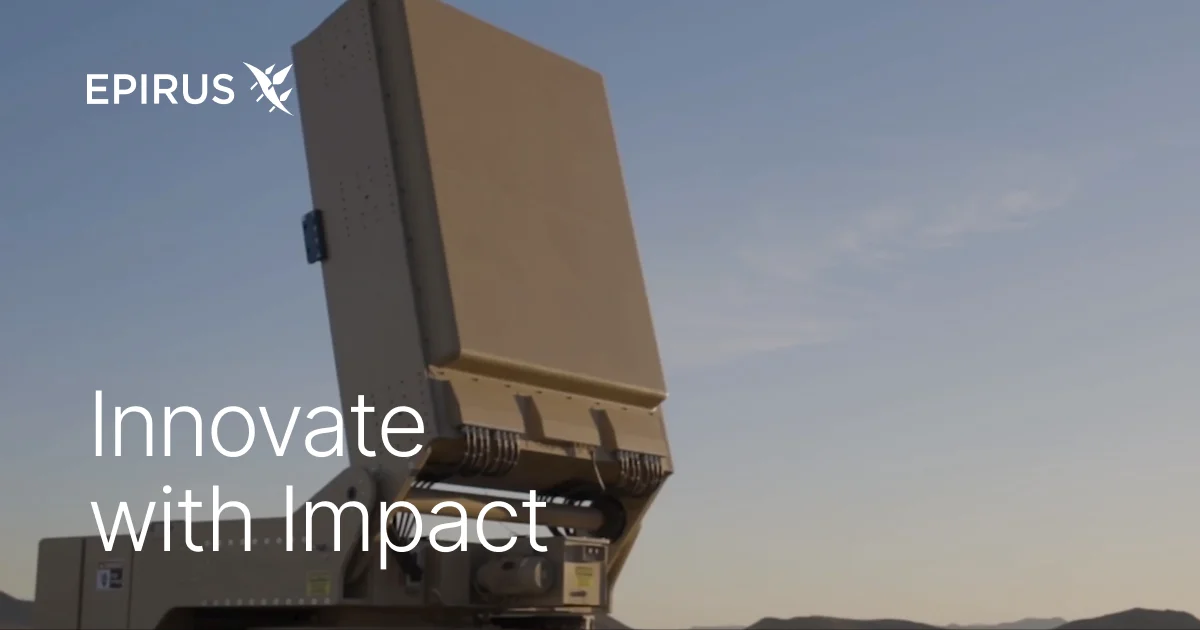
Epirus Leonidas represents the forefront of directed energy and electronic warfare technology, purpose-built to counter the growing threat of unmanned aerial systems (UAS) and coordinated drone swarms. At its core, Leonidas leverages long-pulse high-power microwave (HPM) technology — a non-kinetic approach that disrupts and defeats drone electronics without the collateral risk or resupply burden of traditional kinetic weapons. The system is software-defined, enabling rapid capability updates and seamless integration with existing sensors, weapon platforms, and command-and-control infrastructure. This architecture supports a broad spectrum of deployment scenarios: fixed and semi-fixed layered short-range air defense installations, vehicle-mounted convoy protection, naval vessel stoppage operations, and man-portable compact electronic warfare pods for special operations and de-mining missions. Epirus also delivers AI-powered Air Domain Awareness, using big data and machine learning to continuously monitor, classify, track, and recommend countermeasures against UAS incursions across vast geographic areas. This persistent, always-on perception capability gives operators an unmatched common operating picture of the air domain. Beyond counter-UAS, Epirus applies its advanced electronics expertise to long-range HPM air defense and disruptive hardware-software-AI solutions for the most demanding defense and industrial applications. The company serves government, communications, energy, and security markets and holds CMMC Level 2 certification, underscoring its commitment to cybersecurity in the defense industrial base. Leonidas is ideal for military planners, defense program offices, and security integrators seeking scalable, cost-effective, and rapidly deployable non-kinetic solutions to asymmetric aerial threats.
Key Features
- Long-Pulse High-Power Microwave (HPM) Technology: Defeats UAS and drone swarms non-kinetically by emitting directed high-power microwave energy that disrupts drone electronics at range, eliminating collateral damage and resupply constraints.
- Software-Defined Architecture: Enables rapid capability upgrades, flexible mission configuration, and seamless integration with existing sensors, weapon systems, and C2 infrastructure across fixed, vehicle-mounted, and maritime platforms.
- AI-Powered Air Domain Awareness: Uses machine learning and big data analytics to provide always-on monitoring, classification, tracking, and threat-mitigation recommendations across large airspace areas.
- Multi-Domain Deployment Flexibility: Scales from fixed layered short-range air defense installations to vehicle-mounted convoy protection, naval vessel stoppage, and man-portable compact pods for special operations missions.
- Compact Electronic Warfare Pod: The Epirus Pod embeds in virtually any platform or can be hand-carried, delivering HPM effects for de-mining, special operations, and other compact field applications.
Use Cases
- Protecting military forward operating bases and installations from drone swarm attacks using fixed or semi-fixed HPM layered air defense systems.
- Securing vehicle convoys against UAS threats with vehicle-mounted Leonidas systems providing electronic warfare on the move.
- Defending naval vessels from drone incursions and enabling vessel stoppage operations using HPM systems integrated on unmanned surface vessels.
- Supporting special operations with man-portable compact HPM pods for de-mining, electronic attack, and field electronic warfare missions.
- Providing persistent AI-driven air domain awareness over critical infrastructure, airfields, and high-value assets to detect, track, and respond to unauthorized UAS activity.
Pros
- Non-Kinetic, Low Collateral Risk: HPM-based neutralization avoids explosive munitions, reducing collateral damage and enabling engagement in contested or populated environments.
- Scalable Counter-Swarm Capability: Unlike point-defense kinetic systems, Leonidas can simultaneously address multiple threats in a swarm, making it uniquely effective against coordinated drone attacks.
- Rapid Software-Driven Upgrades: Software-defined design allows the system's capabilities to evolve with emerging threats without requiring full hardware replacement.
- AI-Enhanced Situational Awareness: Integrated machine learning provides automated threat detection and response recommendations, reducing cognitive load on operators and speeding up engagement decisions.
Cons
- Defense Sector Only: Leonidas is designed exclusively for government, military, and authorized security customers; it is not available for commercial or civilian use.
- High Acquisition Cost: As a specialized directed energy defense system, procurement and integration costs are enterprise-scale and require government contracting processes.
- Limited Public Technical Transparency: Detailed specifications, range data, and capability parameters are restricted, making independent technical evaluation difficult outside of formal defense procurement channels.
Frequently Asked Questions
What is the Epirus Leonidas system?
Leonidas is a family of software-defined, long-pulse high-power microwave (HPM) directed energy systems designed to neutralize unmanned aerial systems (UAS) and drone swarms non-kinetically by disrupting their electronics.
How does high-power microwave technology defeat drones?
HPM systems emit directed bursts of high-power microwave energy that overwhelm and disable the electronic components of drones at range, causing them to lose control or shut down without requiring explosive munitions.
On what platforms can Leonidas be deployed?
Leonidas systems can be deployed in fixed or semi-fixed installations, mounted on ground vehicles for convoy protection, integrated with unmanned surface vessels, and in compact pod configurations for hand-carried or embedded use.
What is Epirus Air Domain Awareness?
Air Domain Awareness is an always-on AI and machine learning-powered perception system that continuously monitors, tracks, identifies, and recommends actions against UAS threats across large areas using big data analytics.
Who are Epirus's primary customers?
Epirus primarily serves U.S. and allied government and defense customers, including military branches and defense agencies, as well as partners in communications, energy, and critical infrastructure security sectors.