
About
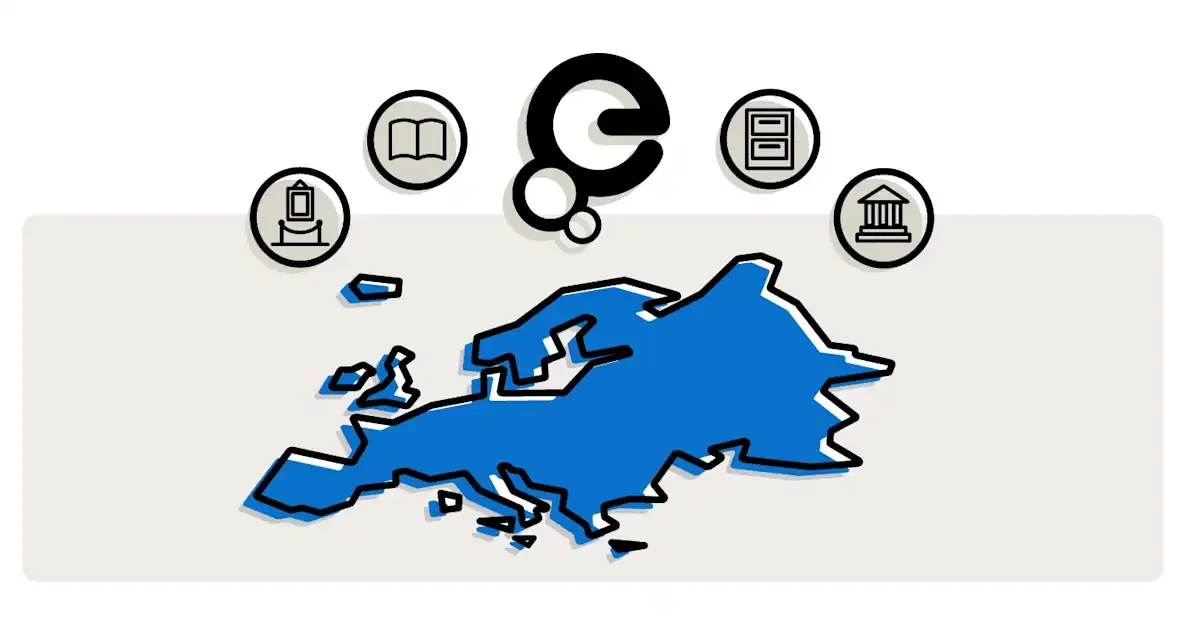
Europeana is the European Union's flagship digital cultural heritage platform, providing free access to over 50 million digitised items — including paintings, sculptures, books, newspapers, films, music, maps, manuscripts, and archival records — contributed by thousands of museums, libraries, galleries, and archives from across Europe. The platform acts as a federated aggregator, bringing together collections from national and regional cultural institutions into a single, searchable interface. Users can search across languages, filter by type, period, country, or rights status, and access high-resolution images and documents directly. Registered users can curate personal galleries, save favourite items, and share collections with others. Europeana also supports educators, researchers, and creatives by offering openly licensed materials, structured datasets via its API, and rich editorial content through curated stories and exhibitions. The platform actively promotes open culture and public-domain access, making it an invaluable resource for academic research, creative projects, digital journalism, and heritage education. Funded by the European Commission and a network of member-state partners, Europeana is operated as a public, non-commercial service. It is widely used by students, academics, designers, content creators, and anyone with an interest in European history, art, and culture.
Key Features
- Unified Cultural Search: Search across 50+ million digitised items — art, books, maps, films, music and manuscripts — from thousands of European institutions in one place.
- Personal Collections & Sharing: Create, curate, and share personal galleries of favourite cultural objects with friends, students, or colleagues.
- Open API Access: Developers and researchers can access Europeana's full dataset programmatically via a robust REST API, enabling integration into third-party applications and data projects.
- Curated Stories & Exhibitions: Explore editorial stories and thematic exhibitions crafted by heritage experts to highlight significant events, artworks, and historical narratives.
- Rights-Cleared & Open-Licensed Content: Many items are in the public domain or carry open licences, making them safe to reuse for education, research, and creative projects.
Use Cases
- Academic researchers sourcing primary source documents, artworks, and historical records for scholarly publications.
- Educators building lesson plans and multimedia resources around European history, art, and culture.
- Designers and content creators finding public-domain imagery and archival material for editorial and creative projects.
- Developers building cultural heritage applications or data visualisations using the Europeana API.
- Curious individuals exploring Europe's artistic and historical legacy through curated stories and searchable collections.
Pros
- Completely Free: Europeana is publicly funded by the EU and entirely free to use, with no paywalls or subscription tiers.
- Vast, Trusted Collection: Content comes exclusively from verified European museums, libraries, and archives, ensuring authenticity and high scholarly reliability.
- Open Licensing & API: A large proportion of content is openly licensed for reuse, and a free API enables developers to build on the platform's dataset.
Cons
- European-Centric Scope: Coverage is limited to European cultural heritage; global or non-European content is outside the platform's mandate.
- Variable Digitisation Quality: Image and metadata quality varies significantly across contributing institutions, leading to inconsistencies in the browsing experience.
- No AI-Assisted Discovery Features: The platform lacks advanced AI recommendation or similarity-search features that modern digital libraries are beginning to adopt.
Frequently Asked Questions
Is Europeana free to use?
Yes, Europeana is completely free. It is funded by the European Commission and partner institutions, and no subscription or payment is required to search, browse, or access content.
How many items are available on Europeana?
Europeana provides access to over 50 million digitised cultural heritage items, including images, texts, videos, sounds, and 3D objects contributed by thousands of institutions across Europe.
Can I reuse images or content from Europeana?
Many items on Europeana are in the public domain or carry open licences (such as Creative Commons), which allow free reuse for education, research, and creative projects. Each item's rights status is clearly indicated on its detail page.
Does Europeana have an API?
Yes, Europeana offers a free REST API that provides programmatic access to its full metadata catalogue, enabling developers and researchers to integrate the dataset into applications, data visualisations, and research tools.
Who contributes content to Europeana?
Content is contributed by thousands of European cultural heritage institutions, including national and regional museums, public libraries, film archives, sound archives, and government record offices from across EU member states and beyond.