
About
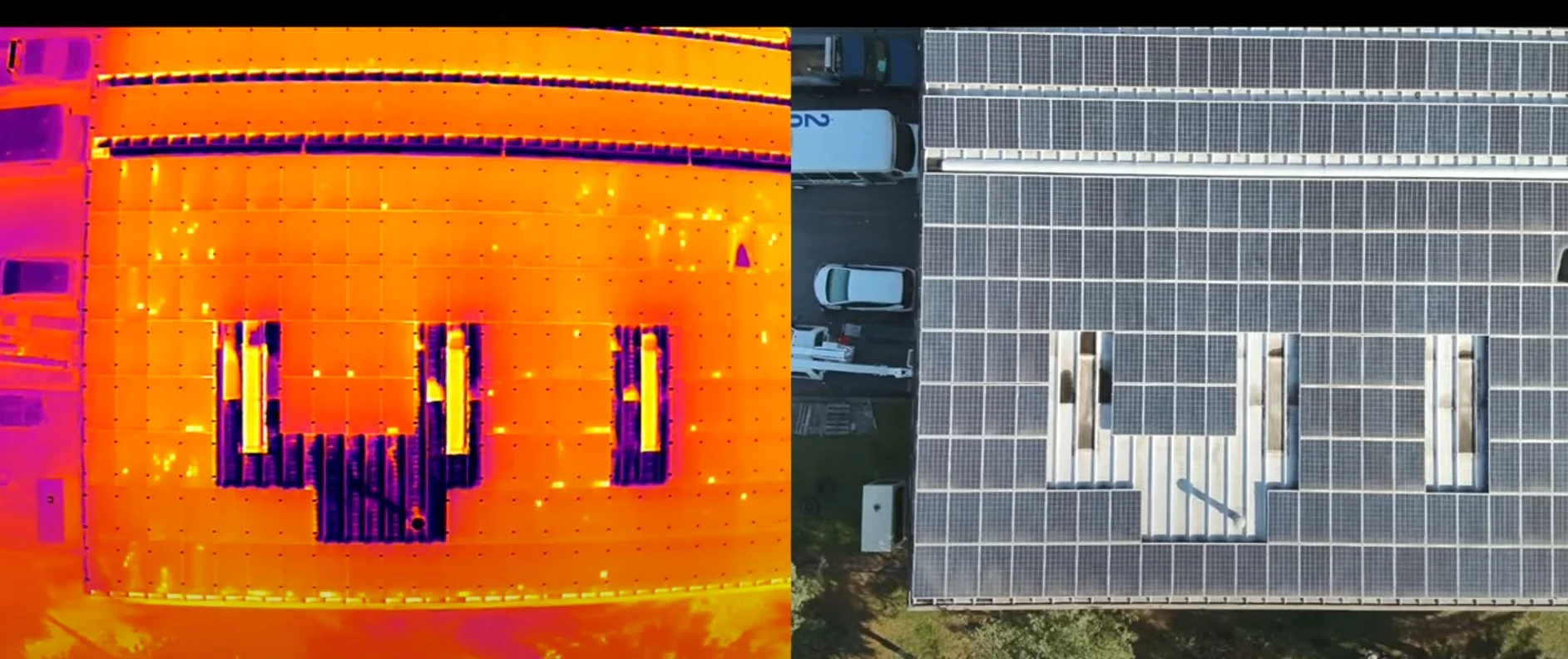
GeoWGS84 GetVision is an enterprise-grade, AI-driven inspection platform purpose-built for solar energy operators and maintenance teams managing large photovoltaic (PV) solar farms. The platform integrates seamlessly with drone (UAV) flights to capture high-resolution visual and thermal imagery across entire panel arrays, then applies advanced computer vision and deep learning algorithms to automate the analysis process. Key capabilities include automated defect detection — identifying cracks, soiling, hotspots, and shading — as well as panel-level performance assessment to flag underperforming units. The AI engine prioritizes maintenance recommendations by severity, enabling operations teams to allocate resources efficiently and prevent costly failures. Over time, the platform builds a historical database that supports trend analysis and predictive maintenance strategies. Inspection results are compiled into detailed reports featuring visual evidence, thermal imagery, performance metrics, and prioritized maintenance actions. This eliminates the need for manual, on-the-ground inspections, dramatically reducing labor costs and safety risks while improving detection accuracy beyond what the human eye can achieve. GetVision is part of GeoWGS84's broader suite of geospatial and AI-powered platforms, which includes cloud hosting, imagery search, drone pilot networks, and powerline inspection tools. It is ideal for solar farm operators, energy utilities, drone service providers, and asset management teams seeking a data-driven approach to renewable energy infrastructure maintenance.
Key Features
- AI-Powered Defect Detection: Automatically identifies cracks, soiling, hotspots, and shading on solar panels using deep learning applied to drone-captured thermal and visual imagery.
- Panel-Level Performance Assessment: Evaluates the output of each individual panel to flag underperformers and quantify efficiency losses across the entire solar array.
- Maintenance Prioritization Engine: Ranks defects and issues by severity so operations teams can focus resources on the highest-impact repairs first, minimizing downtime.
- Historical Trend Analysis & Predictive Maintenance: Builds a longitudinal database of farm performance over time, enabling trend analysis and predictive scheduling to prevent future failures.
- Automated Inspection Report Generation: Produces detailed reports with visual evidence, thermal images, performance metrics, and maintenance recommendations ready for stakeholder review.
Use Cases
- Utility-scale solar farm operators conducting routine preventive maintenance inspections across thousands of panels without deploying ground crews.
- Renewable energy asset managers tracking panel degradation trends over time to optimize long-term maintenance budgets and energy output forecasts.
- Drone service providers (DSPs) offering value-added solar inspection services to energy clients, using GetVision to automate report generation.
- Insurance assessors and underwriters evaluating the physical condition and risk profile of solar farm assets during policy underwriting or claims processing.
- EPC (Engineering, Procurement, and Construction) contractors performing post-installation quality assurance checks to verify that newly deployed panels meet performance specifications.
Pros
- Dramatically Reduces Inspection Time: Drones cover large solar farms far faster than manual ground crews, cutting inspection time and associated labor costs significantly.
- Superior Detection Accuracy: AI computer vision identifies subtle defects — such as micro-cracks and early-stage hotspots — that human inspectors routinely miss.
- Improved Safety: Eliminates the need for technicians to physically access rooftops or remote panel installations, reducing occupational risk.
- Data-Driven Maintenance Decisions: Historical analysis and prioritized reports empower operators to optimize maintenance schedules and maximize energy yield.
Cons
- Requires Drone Hardware & Pilots: The platform depends on compatible UAV equipment and qualified drone pilots for data capture, adding operational overhead and potential costs.
- Enterprise Pricing Model: Positioned as a quote-based enterprise solution, making pricing opaque and potentially prohibitive for smaller solar installations.
- Currently in Beta: The platform is still in beta access phase, which may mean limited documentation, occasional bugs, or incomplete feature sets for some users.
Frequently Asked Questions
What types of defects can GetVision detect?
GetVision can detect a range of physical and thermal defects including cracks, soiling (dirt/dust buildup), hotspots (localized overheating), and shading anomalies — all of which can reduce panel efficiency and lead to long-term damage.
Do I need a specific type of drone to use GetVision?
GetVision is designed to work with drones equipped with high-resolution cameras and, ideally, thermal imaging sensors. GeoWGS84 provides drone flight instructions to help operators capture data in the correct format for analysis.
How does the AI analysis process work?
After a drone captures imagery over the solar array, the data is uploaded to the GetVision platform. AI algorithms then process each image to detect defects, assess panel performance, and generate a prioritized maintenance report — with minimal manual input required.
Is GetVision suitable for small residential solar installations?
GetVision is primarily designed for utility-scale and commercial PV solar farms. While technically capable of inspecting smaller arrays, the cost and operational setup is best justified for large installations with many panels.
How do I get started with GetVision?
You can request beta access directly on the GeoWGS84 GetVision page by submitting your name, email, and country. GeoWGS84 also provides a sample inspection report and user manual to help you evaluate the platform before committing.