P
About
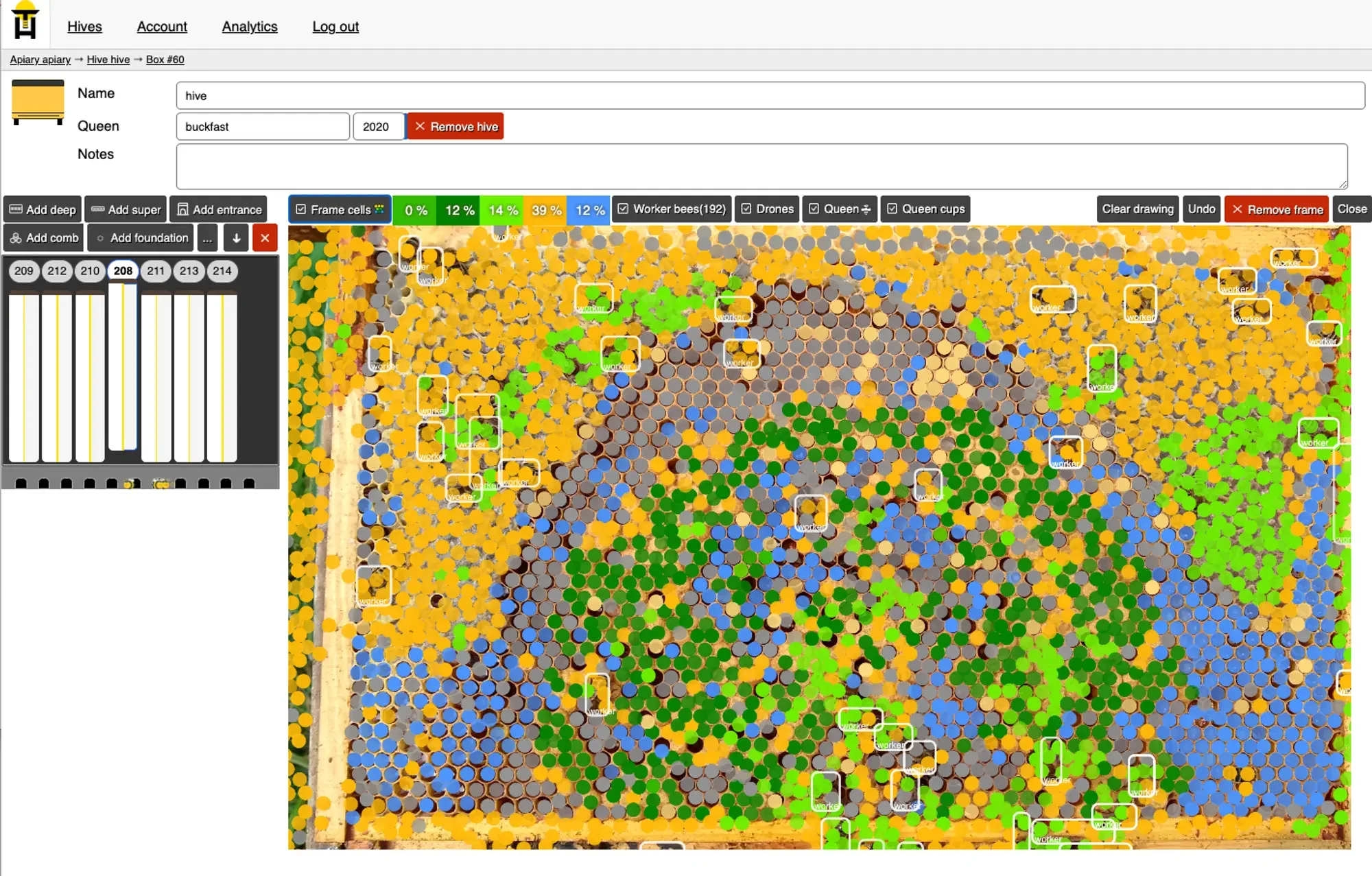
Gratheon is a specialized AI monitoring platform built to modernize beekeeping through data-driven colony management. By uploading photos of beehive frames, beekeepers can leverage computer vision to automatically count bees, measure colony size, predict swarming behavior, locate queens, and detect varroa mite infestations — all without destructive testing methods like alcohol washing. The platform stores inspections as timestamped snapshots, enabling side-by-side frame comparisons to track colony development over time. Beekeepers can annotate frames with notes using an iPad pencil or mouse and share inspection links with community members or experts for crowdsourced advice. A standout feature is the one-button AI advice system: a large language model analyzes full hive context — colony size, mite levels, resource ratios, and inspection history — to generate actionable recommendations for next steps. For real-time monitoring, Gratheon supports entrance video streaming via a Raspberry Pi or spare phone running their open-source client, enabling detection of robbing, hornet attacks, and queen mating flights. For hardware enthusiasts, prototype sensors measure temperature, humidity, CO2, barometric pressure, sound, and weight. The long-term vision is a fully autonomous robotic apiary that automates frame extraction and remote internal observation. Gratheon is ideal for hobbyist beekeepers, urban apiaries, and commercial operations looking to scale efficiently with AI-assisted colony management.
Key Features
- Computer Vision Frame Analysis: Upload beehive frame photos to automatically detect and count bees, measure colony size, and predict swarming behavior with precision.
- Queen & Varroa Mite Detection: AI identifies queen bees and detects varroa mites on bees and brood cells — eliminating the need for destructive alcohol wash tests.
- Inspection History & Frame Comparison: Store timestamped inspection snapshots and compare frames side-by-side to visualize colony development and resource changes over time.
- LLM-Powered Hive Advice: Get one-button AI recommendations generated by a large language model based on full hive context, guiding beekeepers on their next actions.
- Real-Time Entrance Monitoring: Stream live video from the hive entrance using a Raspberry Pi or spare phone to detect robbing events, hornet attacks, and queen mating flights.
Use Cases
- A backyard beekeeper uploads frame photos after each inspection to track colony growth and receive AI-generated advice on preventing swarms.
- A commercial apiarist streams entrance camera footage from multiple remote apiaries to detect robbing events and hornet attacks without on-site visits.
- A beekeeper assesses varroa mite infestation levels from frame photos, avoiding the need to perform destructive alcohol wash tests on their bees.
- A beekeeping educator shares inspection links with students and community members to teach colony health assessment using real hive data.
- An urban beekeeper correlates environmental sensor data — temperature, humidity, and hive weight — with colony development to optimize management timing.
Pros
- Non-Destructive Mite Detection: Identifies varroa mite infestations from frame photos alone, avoiding the bee-killing alcohol wash method traditionally required.
- Reduces Physical Inspection Burden: Automates data collection from photos and sensors, reducing the frequency and labor intensity of manual hive inspections.
- Scales with Apiary Growth: Designed to accommodate everything from a single backyard hive to large commercial operations with multiple remote apiaries.
- Community Sharing & Expert Access: Shareable inspection links let beekeepers get expert advice or share discoveries with the broader beekeeping community.
Cons
- Very Niche Audience: Designed exclusively for beekeepers, making it inapplicable to any other agricultural or monitoring use case.
- Hardware Still in Early Stages: Sensor hardware and the robotic beehive system are in prototype or ideation phases and are not yet commercially available.
- Photo Quality Dependency: Accurate AI detection relies on clear, well-lit frame photos, which can be difficult to capture reliably in field conditions while wearing protective gear.
Frequently Asked Questions
How does Gratheon detect bees, mites, and queens in photos?
Gratheon uses computer vision models trained on beehive frame imagery to automatically identify and count bees, detect varroa mites, locate queens, and classify cell types for resource estimation.
Do I need special hardware to get started?
No special hardware is required for the core app — a smartphone or camera is sufficient to take frame photos. Hardware sensors and entrance cameras are optional add-ons that are currently in prototype or MVP development phases.
How does the AI hive advice feature work?
A large language model analyzes all available hive data — including colony size, mite infestation levels, resource ratios, and inspection history — to generate contextual, one-button recommendations for the beekeeper's next steps.
Can I monitor my hive entrance in real time?
Yes. Gratheon supports real-time entrance video streaming using an unused phone or Raspberry Pi running their open-source entrance observer client. You can also play back past recordings to analyze behavioral patterns.
Is Gratheon free to use?
Gratheon offers a free trial to get started. A dedicated pricing page is available on their website for details on paid plans with full feature access.