

About
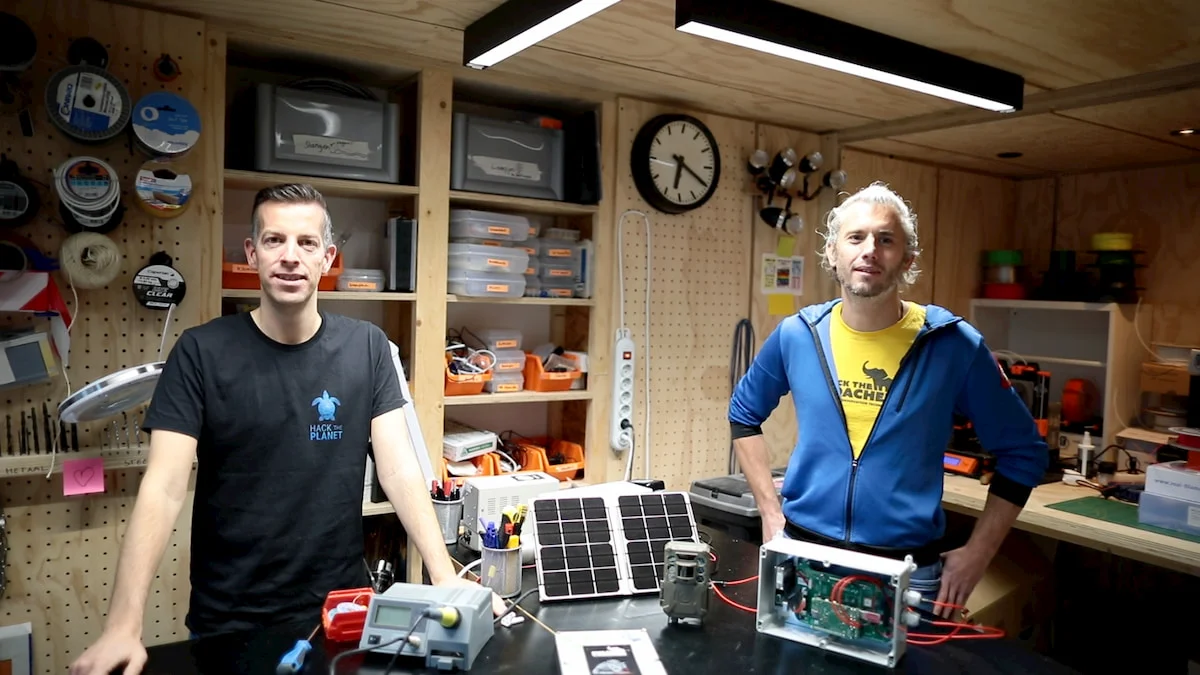
Hack the Planet (Stichting Hack the Planet) is a technology-for-good foundation based in The Hague, Netherlands, dedicated to accelerating solutions to pressing global challenges through smart engineering and creative digital experiences. The foundation develops an eclectic portfolio of impact-driven projects that blend artificial intelligence, virtual reality, robotics, and interactive storytelling. Key projects include ScannerEdge, a real-time human presence detection system; Repeller, a tool designed to reduce human-wildlife conflicts; and an AI-powered camera trap that helps rangers monitor and protect wildlife in real time. On the humanitarian side, Hack the Planet has produced immersive VR documentaries and experiences — such as 'Meet the Soldier' and 'Elders VR' — to foster empathy around issues like loneliness and the laws of war. Their interactive digital narratives, including a WhatsApp-based story on knife violence (HelpMaya) and an online experience addressing sexual abuse, demonstrate a commitment to reaching audiences through accessible platforms. Additional projects include an affordable video laryngoscope for low- and middle-income countries, an autonomous anti-deforestation drone (Skyhawq), a low-cost 3D-printed self-driving robot (Ground Hawq), and a crowdfunding platform for tangible humanitarian projects. Hack the Planet is ideal for NGOs, humanitarian organizations, conservationists, and social-impact researchers seeking technology partners to prototype and implement innovative solutions for complex global problems.
Key Features
- AI Camera Traps: Real-time AI-powered cameras deployed in the field to help wildlife rangers detect and respond to threats, protecting endangered species.
- Human Presence Detection (ScannerEdge): A smart sensor system that detects human presence in real time, applicable to conservation, security, and conflict-prevention scenarios.
- Immersive VR Experiences: Humanitarian virtual reality documentaries and interactive experiences — accessible even without a headset — designed to build empathy and awareness around social issues.
- Interactive Awareness Campaigns: WhatsApp-based and web-based interactive narratives that engage audiences on sensitive topics such as violence, sexual abuse, and global news photography.
- Autonomous Robotics & Drones: Low-cost 3D-printed robotic platforms (Ground Hawq) and autonomous drones (Skyhawq) engineered to combat deforestation and support field operations.
Use Cases
- Wildlife conservation organizations deploying AI camera traps to enable rangers to monitor and protect animals in real time.
- Humanitarian NGOs creating immersive VR documentaries to raise global awareness about conflict, loneliness, and human rights issues.
- Social impact campaigns reaching youth via WhatsApp-based interactive stories on topics like knife violence and sexual abuse prevention.
- Medical institutions in low- and middle-income countries adopting affordable, locally manufacturable devices such as the video laryngoscope.
- Environmental groups leveraging autonomous drones and ground robots to monitor and combat deforestation in remote areas.
Pros
- Diverse Technology Portfolio: Combines AI, VR, robotics, and interactive media to tackle a wide range of global challenges, making it a versatile partner for NGOs and social-impact organizations.
- Mission-Driven & Non-Profit: As a foundation, Hack the Planet prioritizes impact over profit, ensuring technology is developed and deployed in service of humanitarian and environmental goals.
- Accessible & Affordable Solutions: Projects like the low-cost laryngoscope and 3D-printed robots demonstrate a commitment to affordability and usability in low- and middle-income contexts.
Cons
- Limited Public Tool Access: Most projects are bespoke collaborations or prototypes rather than off-the-shelf tools, limiting direct accessibility for general users.
- Niche Target Audience: The foundation primarily partners with NGOs and mission-driven organizations, which may not suit commercial businesses or individual developers looking for ready-made solutions.
Frequently Asked Questions
What is Hack the Planet?
Hack the Planet is a Dutch non-profit foundation (Stichting Hack the Planet) headquartered in The Hague, Netherlands, that engineers technology-driven solutions — including AI systems, VR experiences, robotics, and interactive media — to address global humanitarian and environmental challenges.
Who does Hack the Planet work with?
The foundation collaborates with NGOs, humanitarian organizations, wildlife conservation groups, medical institutions, and other mission-driven partners to co-develop and implement impactful technology solutions.
What types of technology does Hack the Planet develop?
Their work spans artificial intelligence (AI camera traps, human presence detection), virtual reality experiences, autonomous drones and robots, WhatsApp-based interactive stories, web experiences, mobile apps, and affordable medical devices.
How does Hack the Planet use AI?
AI is used in several projects, including real-time camera trap systems that help rangers detect wildlife threats, and ScannerEdge, a human presence detection system. Computer vision and sensor-based AI are core to their conservation and security tools.
Is Hack the Planet free to work with?
As a non-profit foundation, Hack the Planet focuses on collaborative, impact-driven projects rather than commercial services. Interested organizations should contact them directly to explore partnership opportunities.