
About
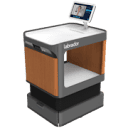
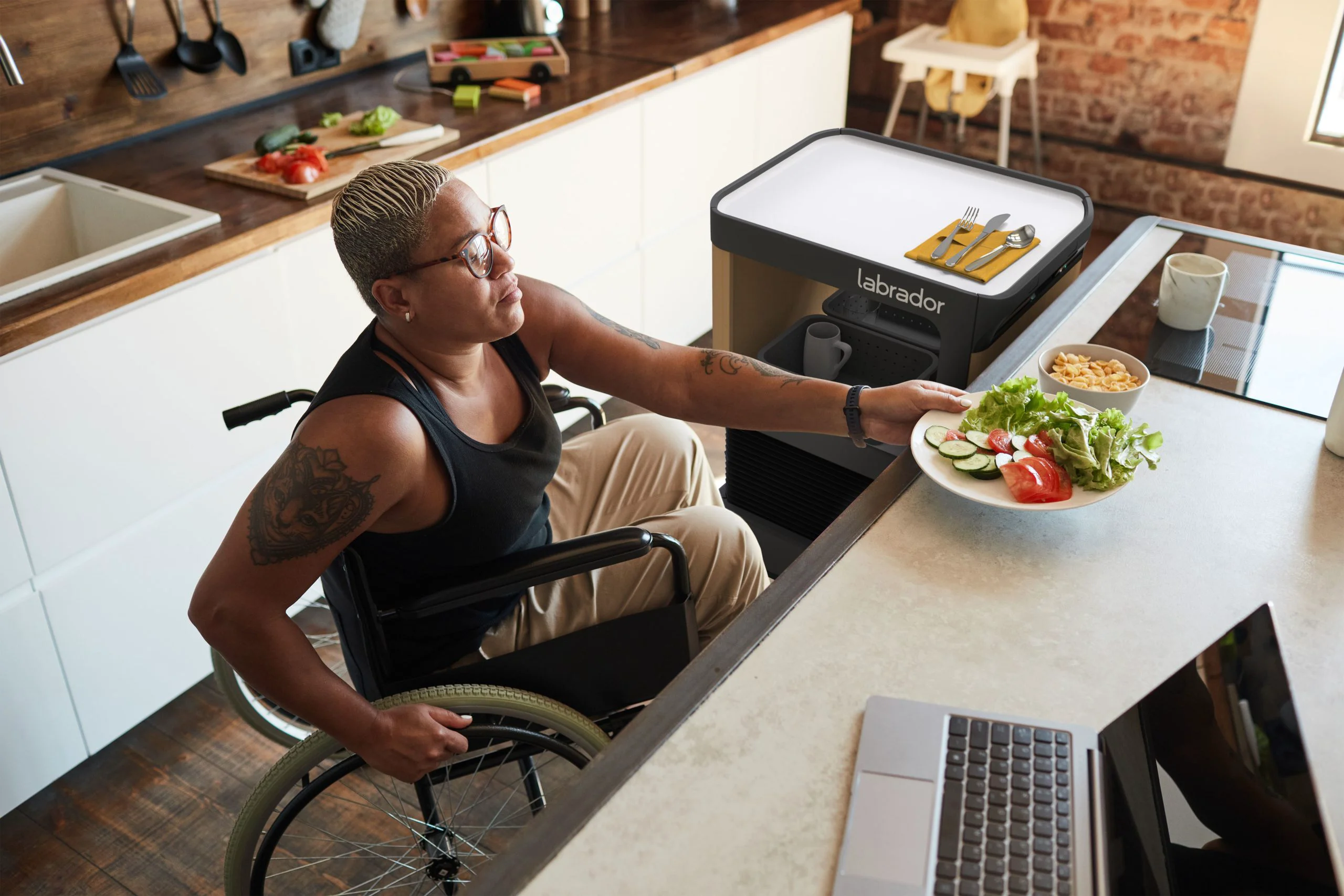
Labrador Systems is a robotics company on a mission to empower people with limited mobility to live more independently through practical, AI-driven home robots. Their flagship product, the Labrador Retriever, is a self-navigating robotic shelf designed to physically assist with everyday household tasks—delivering meals, transporting laundry, and keeping critical items accessible at all times. The robot leverages advanced 3D computer vision to map and navigate the home autonomously. During setup, Labrador trains the robot on a customized floor plan based on each user's preferences, enabling it to move between rooms, pass through doorways and tight spaces, and automatically return to its dock when the battery is low. Control is designed to be effortless: users can command the robot through a dedicated smartphone or tablet app, voice commands via Alexa-compatible devices, or pre-scheduled routines. Two models are available, with additional configuration options to match individual needs and home aesthetics. Labrador Systems primarily serves individuals with conditions such as MS, ALS, spinal cord injuries, or age-related mobility decline, as well as their caregivers and care providers. Documented user testimonials highlight significant gains in independence and confidence. The company has been featured in major technology publications and is working toward broad residential availability.
Key Features
- Autonomous Home Navigation: Uses advanced 3D vision to navigate rooms, doorways, and tight spaces, with automatic docking when the battery needs charging.
- Personalized Home Mapping: During setup, the robot is trained on a custom map of your home tailored to your layout and preferences for reliable, room-to-room delivery.
- Multi-Modal Control: Control the robot via a smartphone or tablet app, Alexa voice commands, or pre-set automatic schedules—no technical expertise needed.
- Everyday Task Assistance: Carries meals, laundry, medications, and other household items, functioning as a hands-free extra pair of hands throughout the day.
- Two Customizable Models: Available in two models with selectable options and home-matching aesthetic finishes (Light Maple, Warm Teak) to suit individual needs and décor.
Use Cases
- A person with MS uses the robot to independently retrieve meals from the kitchen and bring them to any room in the house without asking for caregiver help.
- An elderly individual with limited arm strength has the robot deliver daily medications, reducing fall risk from walking to the medicine cabinet multiple times a day.
- A stroke survivor regains functional independence by using the robot as a mobile carrier for household items on their affected side.
- A family caregiver reduces physical strain by delegating repetitive transport tasks—laundry, snacks, remotes—to the robot throughout the day.
- A care facility incorporates Labrador robots to supplement staff assistance, allowing residents to request item delivery autonomously via voice command.
Pros
- Genuine Independence for Mobility-Impaired Users: Real-world testimonials confirm the robot meaningfully reduces reliance on caregivers, giving users greater autonomy and confidence in daily life.
- Easy, No-Tech-Required Operation: Multiple control methods—app, voice, or schedule—make the robot accessible even to users with limited technical experience.
- Smart, Adaptive Navigation: 3D vision and a custom home map allow the robot to reliably navigate complex real-world home environments without user intervention.
Cons
- High Purchase Cost: As a specialized physical robot, the Labrador Retriever is a significant financial investment, which may be prohibitive for some individuals.
- Limited to Home Environments: The robot is designed exclusively for indoor residential use and cannot assist with tasks outside the home.
- Requires Professional Setup: Home mapping and initial configuration are performed during a setup visit, meaning the robot is not immediately plug-and-play out of the box.
Frequently Asked Questions
How does the Labrador Retriever navigate my home?
During setup, Labrador trains the robot on a customized 3D map of your home. It then uses onboard 3D vision sensors to navigate between rooms, through doorways, and around obstacles autonomously.
How do I control the robot?
You can control it through a smartphone or tablet app, by issuing voice commands via an Alexa-enabled device, or by setting up automatic pre-scheduled routines for recurring tasks.
Who is the Labrador Retriever designed for?
It is designed for individuals with chronic pain, injury, mobility limitations, or conditions such as MS, ALS, or spinal cord injury who want to perform daily tasks more independently at home.
What tasks can the robot help with?
The robot can deliver meals, carry laundry, transport medications, and keep frequently needed items within reach—essentially acting as a mobile, hands-free assistant for everyday household needs.
How do I get a Labrador Retriever robot?
You can reserve a unit directly on the Labrador Systems website. The company offers two models with customizable options and provides professional setup including home mapping as part of the onboarding process.