

About
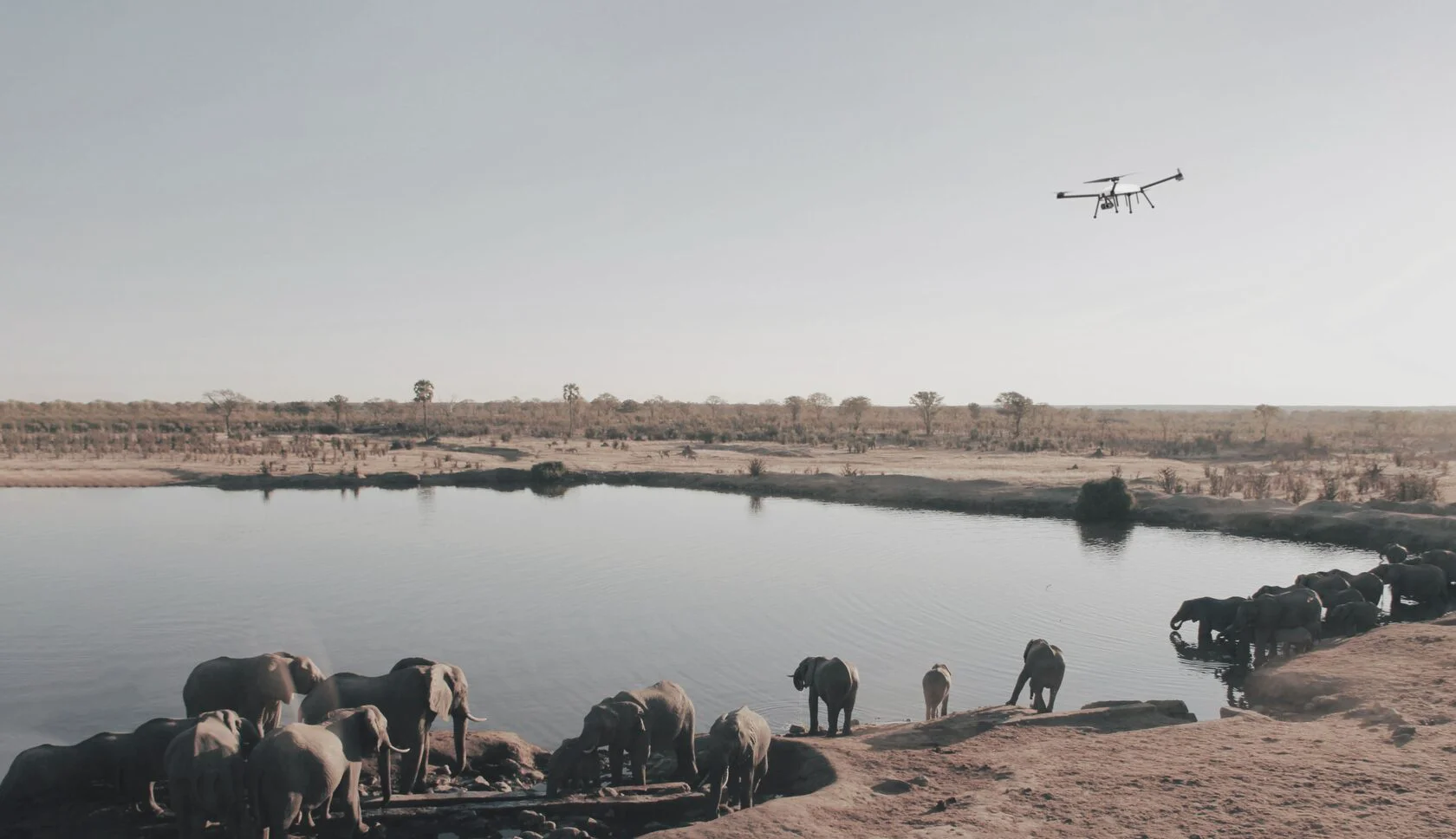
Microavia Anti-Poaching is an autonomous UAV (drone-in-a-box) platform engineered specifically for wildlife protection and anti-poaching enforcement. The system deploys fixed drone stations across protected areas, with each unit capable of covering up to a 10×4 km zone. Drones launch automatically in response to triggered alerts or on scheduled patrol routes, operating continuously around the clock thanks to a robotic battery-swap mechanism that takes just 2 minutes, enabling 24/7 uptime with no human intervention required. Equipped with high-definition cameras and thermal imaging sensors, the drones can identify intruders, suspicious behavior, and wildlife movement in total darkness and through dense vegetation. Once a target is detected, the drone autonomously tracks the subject while transmitting live video to a security operations center, enabling ground teams to respond with precision and reduce false alarms. Beyond security, the platform serves as a non-invasive wildlife monitoring tool. Conservation teams can use it to conduct animal counts, study behavioral patterns, and survey hard-to-reach terrain without disturbing natural habitats. The system also enhances ranger safety by performing initial reconnaissance of potentially dangerous areas before human personnel are deployed. With a top speed of 65 km/h, a 60-minute flight time, and operational capability in temperatures from -25°C to +60°C, Microavia's solution is engineered for real-world field conditions. Object detection accuracy exceeds 90%, and the platform scales easily along long borders or across multiple reserve zones. It is ideal for national park authorities, conservation NGOs, and government wildlife agencies.
Key Features
- 24/7 Autonomous Drone Patrol: Drone-in-a-box stations automatically launch, patrol, and recharge with a 2-minute robotic battery swap, enabling uninterrupted surveillance of large protected territories around the clock.
- Thermal & HD Night Detection: Onboard thermal sensors and high-definition cameras detect intruders, poachers, and wildlife in complete darkness or dense terrain with over 90% object detection accuracy.
- Real-Time Intruder Tracking: Once a suspicious subject is identified, the drone autonomously follows and streams live footage to the security operations center, keeping targets in sight until ground teams arrive.
- Non-Invasive Wildlife Monitoring: UAVs collect behavioral data and conduct animal population counts without entering habitats or disturbing wildlife, supporting conservation research and reporting.
- Scalable Multi-Zone Coverage: Each drone-in-a-box unit covers a recommended 10×4 km area. Multiple units can be networked to protect vast reserve borders and difficult terrains with minimal staffing.
Use Cases
- Autonomous anti-poaching patrol in national parks and game reserves, with real-time intruder detection and tracking to support rapid ranger response.
- Non-invasive wildlife population surveys and behavioral monitoring conducted remotely via UAV without disturbing animal habitats.
- Ranger safety enhancement through drone-led reconnaissance of potentially dangerous zones before human personnel are deployed.
- Border surveillance for large protected conservation areas where patrolling on foot or by vehicle is logistically impractical.
- Early detection of wildfires or other environmental incidents within protected territories, enabling faster emergency response to minimize ecological damage.
Pros
- Massive Territory Coverage with Minimal Staff: A 220 km² national park can be effectively monitored with just two drone stations, dramatically reducing the number of rangers needed for active patrol.
- Enhanced Ranger Safety: Drones perform initial reconnaissance of dangerous areas before personnel are deployed, reducing life-threatening encounters and lowering the risk of ranger casualties.
- All-Weather, All-Hours Operation: With an operating temperature range of -25°C to +60°C and full night-vision capability, the system functions reliably in extreme and remote field environments.
- Rapid Incident Response: Drones can verify alarms in real time before a patrol is dispatched, cutting response times and minimizing unnecessary deployment of human resources.
Cons
- High Capital Investment: The hardware-based drone-in-a-box infrastructure requires significant upfront investment in equipment and installation, which may be a barrier for under-resourced conservation organizations.
- Infrastructure & Maintenance Requirements: Fixed drone stations need reliable power supply, connectivity, and periodic technical maintenance, which can be challenging to sustain in remote or off-grid reserve locations.
- Limited to Aerial & Outdoor Surveillance: The system is designed exclusively for open-air territorial monitoring and cannot be applied to indoor security or non-aerial conservation use cases.
Frequently Asked Questions
How much territory can one Microavia drone-in-a-box unit cover?
Each drone-in-a-box unit is recommended for a 10×4 km coverage area. For larger reserves, multiple units can be deployed and networked to cover expansive borders and zones.
How does the system detect poachers at night?
The drones are equipped with thermal infrared sensors that detect heat signatures from humans and animals in complete darkness, combined with HD cameras for daytime and low-light visual identification.
Can the drone operate without human intervention?
Yes. The system supports fully automatic operations including launch, patrol, landing, and battery replacement. Operators can also switch to manual control at any time to follow a specific target.
How does the battery replacement work?
The drone-in-a-box station includes a robotic battery-swap mechanism. When the drone returns to its station, the battery is automatically replaced within 2 minutes, allowing the drone to return to operations almost immediately.
Can Microavia's drones be used for wildlife research as well as security?
Yes. Beyond anti-poaching, the UAVs can non-invasively monitor wildlife populations, count animals, and record behavioral data using thermal and HD cameras without disturbing natural habitats.