

About
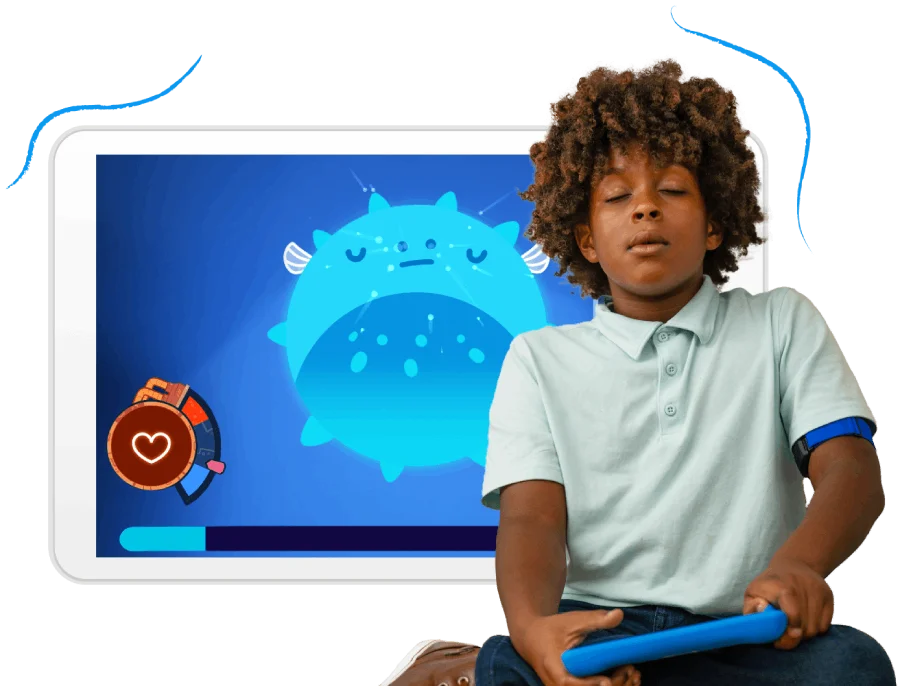
Mightier is a research-backed mental health platform built specifically for children ages 6–14 who struggle with anxiety, ADHD, anger, autism spectrum challenges, oppositional defiant disorder (ODD), and emotional outbursts. Developed and tested at leading children's hospitals and research institutions, Mightier transforms therapeutic coping techniques into engaging gameplay through biofeedback technology. Children wear a heart rate sensor while playing a library of adventure games and arcade-style challenges. When their heart rate elevates — a signal of rising stress or frustration — calming down becomes a literal game mechanic. This real-time biofeedback loop trains kids to recognize and regulate their own emotional states in a low-pressure, intrinsically motivating environment. Beyond screen time, Mightier mails monthly Skill Packs — hands-on crafts, card games, and stories — that reinforce emotional learning through offline family activities. A dedicated Parent App lets caregivers monitor progress, access expert behavior tips, and explore a library of resources. With just 45 minutes of recommended weekly play, 87% of families report measurable positive behavioral changes within 90 days. The platform is designed for individual families, pediatric clinicians seeking between-session support tools, schools looking to integrate social-emotional learning, employers offering family wellness benefits, and health plans covering pediatric mental health. A 90-day money-back guarantee and peer-reviewed research make Mightier a trusted non-pharmaceutical option for children's emotional well-being.
Key Features
- Biofeedback Gaming: Kids wear a heart rate sensor during gameplay; when stress rises, calming down becomes a core game mechanic that reinforces real-world coping skills.
- Monthly Skill Packs: Physical kits mailed to the home include crafts, games, and stories designed to extend emotional learning into offline, family-bonding activities.
- Parent App: A dedicated app lets parents track their child's progress, access behavioral tips, and explore expert-curated resources.
- Clinically Validated Program: Developed and tested at leading children's hospitals with peer-reviewed research supporting its effectiveness for anxiety, ADHD, autism, ODD, and more.
- Multi-Context Delivery: Available for home use, in-clinic as a therapy add-on, through schools with integrated curriculum, and via employer and health plan partnerships.
Use Cases
- Parents seeking a non-pharmaceutical, clinically validated way to help a child manage anxiety, ADHD, or emotional outbursts at home.
- Pediatric therapists and clinicians looking to extend therapy between sessions with an engaging, biofeedback-based at-home tool.
- Schools integrating social-emotional learning (SEL) into their curriculum through evidence-based games and structured lesson plans.
- Employers and HR teams offering family-centered mental health benefits to support employees with children who have behavioral or emotional challenges.
- Health plans and insurers expanding pediatric mental health coverage with a scalable, clinically validated digital program.
Pros
- Clinically Validated: Tested and developed at top children's hospitals with peer-reviewed research, giving families and clinicians confidence in its effectiveness.
- Engaging for Kids: Therapeutic skill-building is embedded in fun gameplay, making it far more accessible and sustainable for children than traditional interventions.
- Low Weekly Time Commitment: Just 45 minutes per week is the recommended dose, making it easy to fit into busy family schedules with 87% of users seeing results in 90 days.
- Whole-Family Approach: Monthly offline Skill Packs and parent tools involve the entire family, reinforcing emotional skills beyond screen time.
Cons
- Requires Hardware Sensor: The biofeedback experience depends on a physical heart rate sensor worn during gameplay, adding a hardware dependency and potential setup friction.
- Subscription Cost: As a paid subscription service, the ongoing cost may be a barrier for some families, particularly without insurance or employer coverage.
- Narrow Age Range: The program is designed specifically for ages 6–14, limiting its applicability for younger children or teenagers beyond that window.
Frequently Asked Questions
What ages is Mightier designed for?
Mightier is designed for children ages 6–14 and has been clinically validated within this age group for conditions including anxiety, ADHD, anger, autism, ODD, and emotional outbursts.
How does the biofeedback technology work?
Children wear a heart rate sensor (typically on the wrist or finger) while playing. The sensor streams real-time heart rate data to the game, and when the child's heart rate rises above their baseline — indicating stress — the game mechanics change, prompting them to use calming techniques to regain control.
How much time does my child need to play each week?
Mightier recommends just 45 minutes of gameplay per week. At this dose, 87% of families report seeing positive behavioral changes within 90 days.
Is Mightier a replacement for therapy?
Mightier is not a replacement for professional mental health care, but it can complement therapy as a clinician-recommended at-home tool. Clinicians can also use Mightier directly in their practice or prescribe it as a between-session intervention.
What is included in the Mightier subscription?
A Mightier subscription includes access to the full game library, monthly physical Skill Packs mailed to your home, access to the Parent App for progress tracking and resources, and a 90-day money-back guarantee.