

About
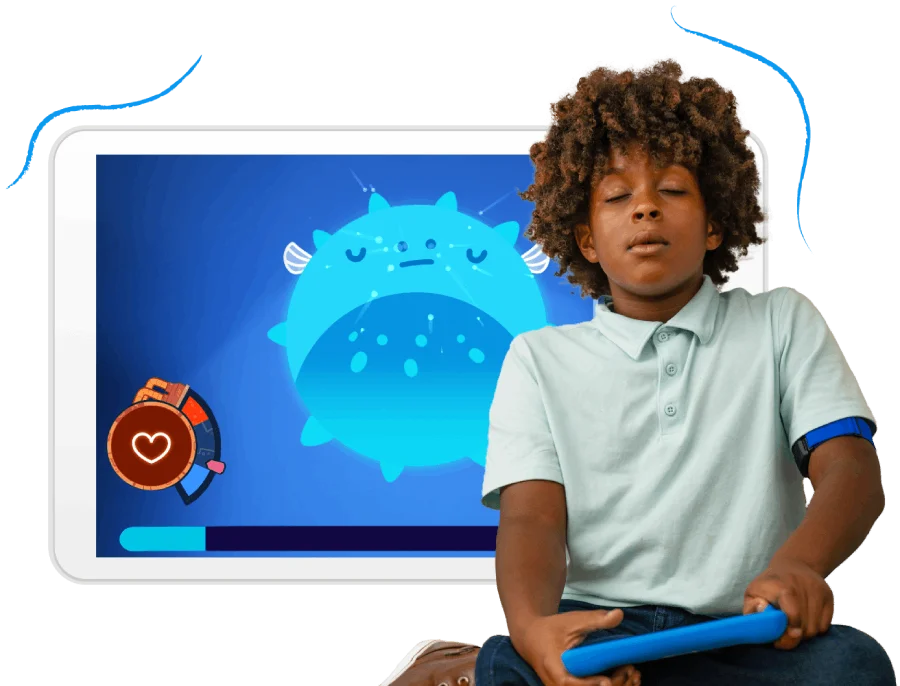
Mightier is a subscription-based children's mental health platform developed and tested at leading clinical institutions. It combines biofeedback technology with engaging video games to help kids ages 6–14 build emotional regulation skills in a fun, screen-healthy format. Children wear a heart rate sensor while playing a library of adventure games; when their heart rate rises, the game responds, prompting kids to practice real coping strategies like deep breathing to regain control and advance in the game. This creates a direct feedback loop that transfers skills to real-life situations. The platform includes multiple components: interactive biofeedback games with worlds to explore and characters to collect; monthly Skill Packs with offline crafts, stories, and games that reinforce emotional learning for the whole family; and a Parent App for tracking progress, accessing expert tips, and monitoring behavioral improvements. Mightier is clinically validated to support children with anxiety, ADHD, anger issues, autism, oppositional defiant disorder (ODD), and emotional outbursts. According to the company, 87% of families see positive behavioral change within 90 days. The platform also offers partnerships with employers, schools, clinicians, and health plans, making it accessible across home and clinical settings. A 90-day money-back guarantee is included with all plans.
Key Features
- Biofeedback Gaming: Kids wear a heart rate sensor while playing; the game responds to rising heart rates by prompting coping strategies like deep breathing, making calming down a core part of gameplay.
- Clinically Validated for 6 Conditions: Developed and tested at leading clinical institutions to support children with anxiety, ADHD, anger, autism, ODD, and emotional outbursts.
- Monthly Skill Packs: Offline crafts, stories, and games mailed to families monthly to reinforce emotional learning away from screens and encourage whole-family participation.
- Parent Progress App: A dedicated parent-facing app to track the child's progress, access expert behavior tips, and find resources to support the journey.
- Flexible Home & Clinical Use: Works as a standalone home program or as an at-home add-on for clinicians, with partnerships available for schools, employers, and health plans.
Use Cases
- Parents of children with anxiety or ADHD seeking a non-medication, home-based therapeutic tool to build emotional coping skills.
- Pediatric therapists and clinicians looking for a clinically validated at-home add-on to complement in-office treatment for emotional dysregulation.
- Schools integrating social-emotional learning (SEL) programs and wanting a gamified, evidence-based tool for students with behavioral challenges.
- Employers offering family-centered mental health benefits to support employees whose children struggle with emotional or behavioral difficulties.
- Health plans seeking to provide members with accessible, scalable pediatric mental health solutions outside traditional clinical settings.
Pros
- Clinically Validated Approach: Developed and tested at reputable institutions, giving families and providers confidence in the program's evidence base and effectiveness.
- Engaging for Kids: Gamified biofeedback makes emotional regulation practice feel like play, increasing consistency and buy-in from children who resist traditional therapy.
- Whole-Family Involvement: Monthly offline Skill Packs and the Parent App bring caregivers into the process, reinforcing skills beyond screen time.
- Measurable Results with Guarantee: 87% of families report positive change within 90 days, and a 90-day money-back guarantee reduces financial risk for new users.
Cons
- Requires Hardware Sensor: The heart rate sensor is an essential component of the biofeedback experience, adding setup complexity and a potential point of failure.
- Subscription Cost: As a paid subscription service, ongoing costs may be a barrier for some families, and insurance coverage may not be universally available.
- Narrow Age Range: The platform is designed specifically for children ages 6–14, limiting its utility for younger children or teenagers outside this window.
Frequently Asked Questions
How does Mightier use biofeedback?
Kids wear a heart rate sensor while playing Mightier's video games. When the sensor detects a rising heart rate—a sign of frustration or stress—the game changes, encouraging the child to practice calming techniques like deep breathing to regain control and progress in the game.
What conditions does Mightier support?
Mightier is clinically validated to help children with anxiety, ADHD, anger, autism, emotional outbursts, and oppositional defiant disorder (ODD).
How much time does Mightier require each week?
Mightier recommends just 45 minutes of play per week, spread across sessions at home on your own schedule, making it manageable alongside school and other activities.
Is there a money-back guarantee?
Yes. Mightier offers a 90-day money-back guarantee, allowing families to try the program with reduced financial risk.
Can clinicians or schools use Mightier?
Yes. Mightier offers dedicated programs for clinicians who want to use it in-clinic or prescribe it as an at-home supplement, as well as curriculum-integrated solutions for schools and coverage options for health plans.