

About
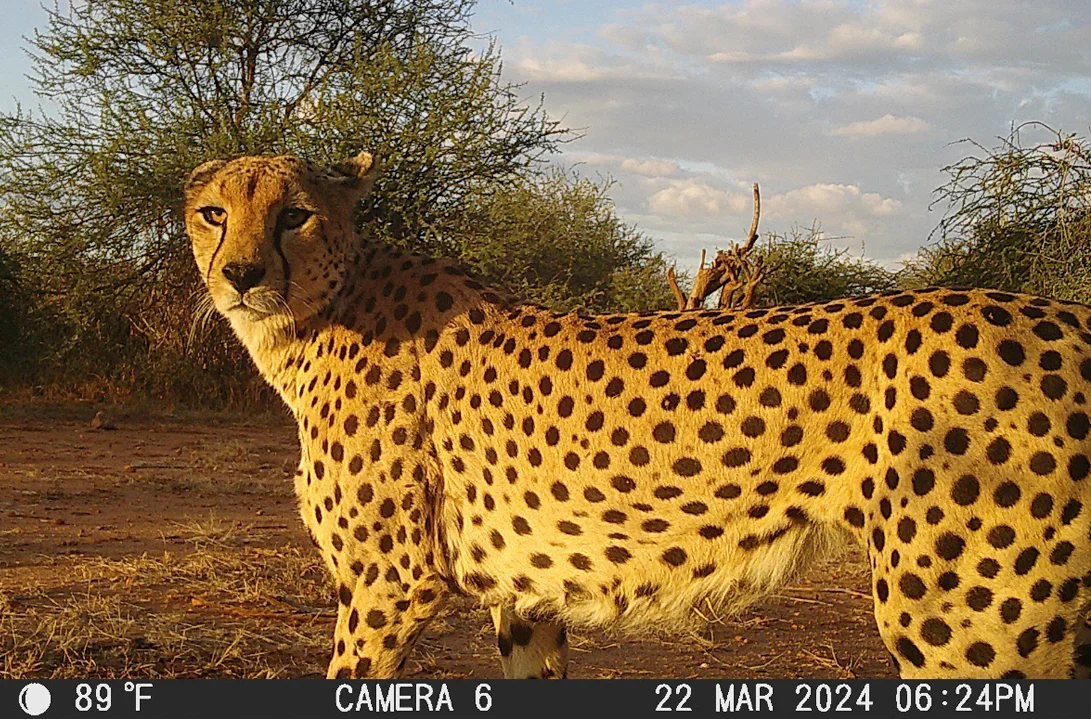
MorphoCam is an innovative conservation technology project launched in April 2024 by the Wildlife Conservation Research Unit (WildCRU) at Oxford University, in collaboration with Oxford's Department of Computer Science and WildEye Conservation in South Africa. It aims to build an AI-powered software pipeline that automates two critical tasks in wildlife monitoring: estimating animal population density and extracting morphometric data (size and shape) from camera trap images. Traditional population estimation methods for unmarked species—such as distance sampling—often require additional field data that is difficult and costly to obtain. MorphoCam addresses this gap by enhancing monocular depth estimation AI models to calibrate real-world distance measurements from 2D camera trap images, enabling more effective distance sampling without burdensome supplementary data collection. The morphometric analysis component uses AI-driven photogrammetry to automatically measure animal dimensions, helping researchers assess age, body condition, and overall population health. These insights are critical for understanding wildlife population dynamics and guiding conservation strategies. A community-first approach drives the project's design: researchers engage directly with the camera trap research community to shape tool development before building begins. MorphoCam is also being integrated into widely used camera trap processing platforms like TrapTagger, making it accessible to ecologists and conservationists globally. MorphoCam is aimed at wildlife biologists, conservation researchers, and ecologists who must process large volumes of camera trap data rapidly and accurately. It is especially valuable for monitoring unmarked species in vulnerable or remote ecosystems where biodiversity data is scarce, helping to guide evidence-based conservation strategies worldwide.
Key Features
- AI Population Density Estimation: Uses monocular depth estimation AI models calibrated to real-world measurements to enable distance sampling and accurate population density estimates from 2D camera trap images.
- Automated Morphometric Analysis: Automatically extracts animal size and shape measurements using AI-driven photogrammetry, enabling assessment of age, body condition, and overall population health.
- Support for Unmarked Species: Extends population estimation capabilities to species without distinct individual markings, filling a critical gap left by existing tools that only work on individually identifiable animals.
- Integration with Camera Trap Tools: Designed to integrate with widely used platforms like TrapTagger, making AI-powered analysis accessible within researchers' existing workflows.
- Community-Driven Design: Actively engages the camera trap research community before and during development to ensure the tool addresses real-world conservation needs effectively.
Use Cases
- Estimating population density of unmarked wildlife species from camera trap images without requiring supplementary field data
- Automatically extracting animal size and shape measurements to assess age, body condition, and population health
- Monitoring mammal communities at scale across remote or vulnerable ecosystems to track biodiversity trends
- Accelerating conservation reporting by replacing manual, labor-intensive image analysis with automated AI pipelines
- Supporting evidence-based conservation strategy development by providing rapid, accurate population dynamics data
Pros
- Reduces Manual Labor: Automates time-consuming tasks like morphometric measurement extraction and distance estimation, freeing researchers to focus on analysis and conservation strategy.
- Works for Unmarked Species: Unlike most existing tools, MorphoCam can estimate population density even for species without individually distinct markings, broadening its conservation applicability.
- Integrates with Existing Workflows: Designed to plug into established camera trap platforms like TrapTagger, lowering the barrier to adoption for field researchers.
- Research-Backed Development: Developed by Oxford University's WildCRU and Computer Science department, ensuring scientific rigor and methodological soundness.
Cons
- Still in Early Development: Launched in April 2024, MorphoCam is an ongoing research project and may not yet offer a fully production-ready or publicly available tool.
- Narrow Target Audience: Primarily designed for wildlife researchers and conservation ecologists, limiting its appeal outside specialized scientific communities.
- Limited Public Documentation: As a research initiative, comprehensive user-facing documentation, tutorials, and support resources may be limited compared to commercial software products.
Frequently Asked Questions
What is MorphoCam?
MorphoCam is an AI-powered research project developed by WildCRU (Oxford University), Oxford's Department of Computer Science, and WildEye Conservation. It builds a software pipeline to automatically estimate wildlife population density and extract morphometric data (size and shape) from camera trap images.
How does MorphoCam estimate animal population density?
MorphoCam enhances monocular depth estimation AI models to calibrate real-world distance measurements from 2D camera trap images. This allows it to support distance sampling methods without requiring the extra field data that traditional approaches demand.
Can MorphoCam analyze species without individual markings?
Yes. Unlike many existing tools that rely on distinct individual markings, MorphoCam is specifically designed to estimate population density and gather data for unmarked species, making it broadly applicable across many wildlife species.
What tools does MorphoCam integrate with?
MorphoCam is being integrated into camera trap processing platforms such as TrapTagger, allowing researchers to access its AI capabilities within tools they already use for field data management.
Who is MorphoCam designed for?
MorphoCam is designed for wildlife biologists, conservation ecologists, and biodiversity researchers who need to efficiently process and extract insights from large volumes of camera trap image data.