

About
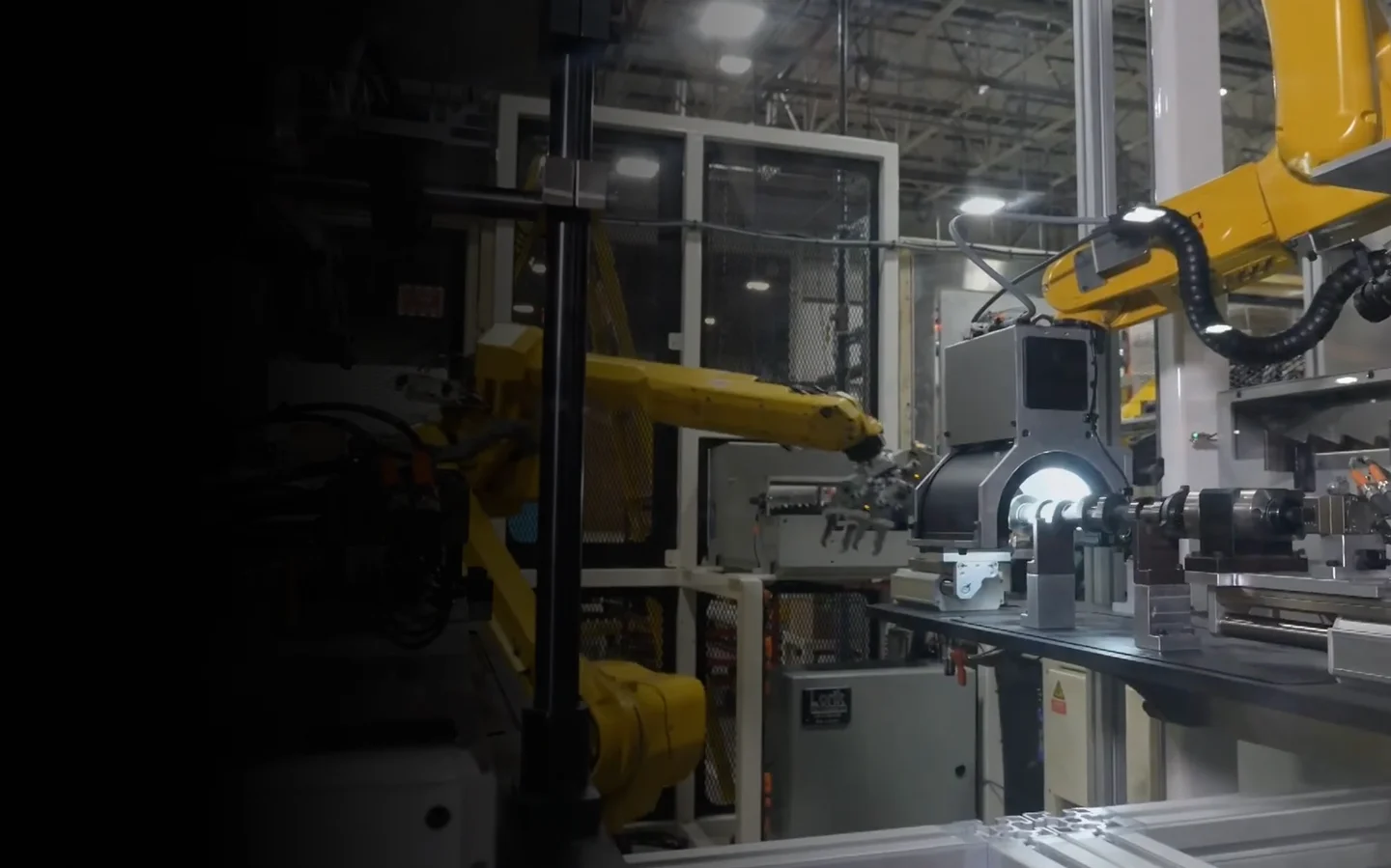
Musashi AI is an industrial AI company specializing in automated visual inspection technology for manufacturers across automotive, EV, and precision parts industries. Their end-to-end platform integrates inspection hardware, deep learning AI software, and a quality analytics database to help production teams eliminate manual inspection, catch micro-defects, and enable full part traceability. The flagship AI software, Cendiant® Inspect, provides turnkey defect detection for surface anomalies, assembly verification, and process completeness checks — all without requiring large training datasets. The companion platform, Cendiant® Quality Insights, gives quality and operations teams access to inspection images, custom dashboards, and a searchable inspected-part database for audit-ready traceability. Musashi AI's inspection equipment supports inline, end-of-line, and offline integration, with standard designs for gear, shaft, and bearing part types, plus custom design services. Deployed across three continents since 2019, the platform is trusted by world-class manufacturers including Toyota Motor Corporation. With a 99% defect detection rate, an 18-month ROI window, and a global service network based in Ontario, Canada, Musashi AI is purpose-built for Quality 4.0 transformation in high-stakes industrial environments.
Key Features
- 99% Defect Detection Rate: Detects surface defects, assembly errors, and micro-defects down to 50 microns using adaptable deep learning AI models.
- Cendiant® Inspect Software: Turnkey AI software for surface defect detection, proper assembly verification, and process completeness checks with minimal training data required.
- Cendiant® Quality Insights Platform: A searchable inspected-part database with custom dashboards and advanced analytics for audit-ready part traceability and performance monitoring.
- Flexible Inspection Equipment: Supports inline, end-of-line, and offline integration with standard designs for gear, shaft, and bearing parts, plus custom hardware design services.
- Rapid Deployment: Production-ready inspection algorithms can be built and deployed in just 6–8 weeks with global service and support.
Use Cases
- Automotive manufacturers automating end-of-line gear and shaft inspection to eliminate manual quality checks.
- EV component producers using AI defect detection to ensure precision part quality before vehicle assembly.
- Quality assurance teams replacing paper-based inspection records with a searchable, auditable digital part database.
- Factory operations achieving 24/7 inspection coverage without adding headcount or overtime labor costs.
- Engineering teams analyzing quality trends and production anomalies through custom dashboards in Cendiant® Quality Insights.
Pros
- Significant Cost Reduction: Clients achieve over 65% reduction in recurring quality assurance operational costs, with measurable ROI within 18 months.
- 24/7 Automated Operation: Fully automated inspection runs around the clock without manual oversight, eliminating human inspection bottlenecks.
- Low Data Requirements: The AI model requires a low number of training samples, enabling faster onboarding even for complex or novel part types.
- Global Deployment Track Record: Trusted by major manufacturers including Toyota across three continents, with a proven global support network.
Cons
- Enterprise-Focused Pricing: Designed for large-scale manufacturing operations — likely cost-prohibitive for small manufacturers or low-volume producers.
- Limited to Specific Part Types: Standard equipment designs are optimized for gear, shaft, bearing, and rod part types; other geometries require custom design services.
- Hardware Dependency: Full value requires integrating Musashi AI's physical inspection equipment, which adds procurement and installation complexity.
Frequently Asked Questions
What types of defects can Musashi AI detect?
Musashi AI's systems detect surface defects, micro-defects down to 50 microns, assembly errors, and process completeness issues across gear, shaft, bearing, and rod-type parts.
How long does it take to deploy Musashi AI's inspection system?
The team can build and deploy a production-ready inspection algorithm in 6–8 weeks, including hardware integration and AI model training.
Does Musashi AI's software require a large amount of training data?
No. Cendiant® Inspect is designed to train effective AI models with a low number of data samples, making it practical even for complex or rare defect types.
Can the inspection equipment integrate into existing production lines?
Yes. Musashi AI supports inline, end-of-line, and offline integration modes, and offers custom hardware design services for non-standard production environments.
What industries does Musashi AI serve?
Musashi AI primarily serves the automotive and EV manufacturing industries, with solutions for ICE and electric vehicle components, precision machined parts, and bearings.