

About
Nordsense is a data-driven smart waste management solution built around IoT sensors and advanced analytics. By equipping waste containers with smart fill-level sensors, Nordsense enables waste collectors and municipalities to move away from fixed schedules and toward on-demand, need-based collection—dramatically reducing unnecessary trips and operational costs. The platform's core capabilities include Smart Bin Sensors that continuously monitor fill levels, Asset Tracking for real-time container location visibility, Intelligent Routing that calculates optimized collection routes, and a rich Insights dashboard for performance analytics and decision-making. Real-world deployments demonstrate measurable impact: San Francisco achieved an 80% decrease in overflowing trash cans and a 66% reduction in street cleaning service requests. The University of Idaho cut fuel consumption by 50% and saved $100,000 annually. Madrid identified that 26% of collections could be skipped entirely. Israeli municipalities reduced driving distances by 30%. Nordsense serves smart cities, private waste collectors, corporate facilities and campuses, and NGO donation bin operators. It is particularly valuable for organizations seeking to reduce their carbon footprint, improve transparency, increase recycling participation, and deliver cleaner urban environments. The solution is designed to be simple to deploy and scale, making data-driven waste management accessible even to budget-constrained operations.
Key Features
- Smart Bin Sensors: IoT fill-level sensors installed in waste containers provide real-time monitoring so collections are triggered only when bins actually need servicing.
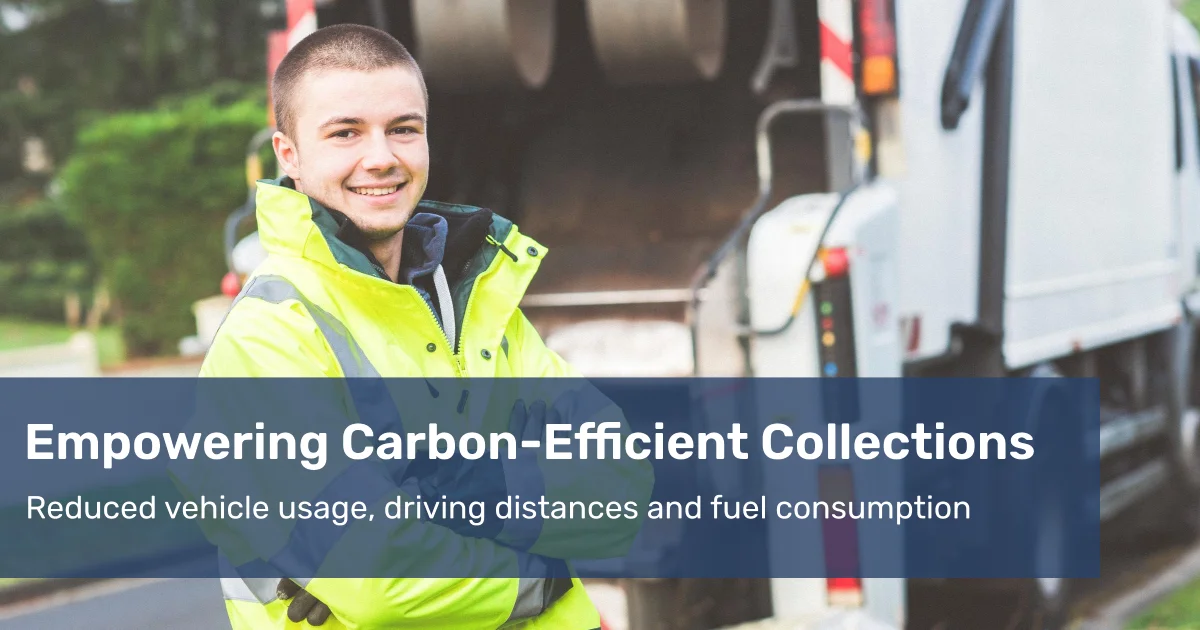
- Intelligent Routing: Automatically generates optimized collection routes based on live sensor data, minimizing driving distances, fuel consumption, and CO2 emissions.
- Asset Tracking: Real-time GPS-based tracking of container locations ensures full operational visibility and prevents lost or misplaced assets.
- Data Insights Dashboard: A centralized analytics platform visualizes waste generation patterns, collection performance, recycling rates, and operational KPIs for data-driven decisions.
- Recycling Optimization: Analyzes community waste behavior to identify opportunities to boost recycling participation and reduce contamination in recycling streams.
Use Cases
- Municipal smart city programs that need to reduce overflow incidents, illegal dumping complaints, and the cost of reactive street cleaning services.
- Private waste collection companies seeking to optimize driver routes, reduce fuel costs, and improve service level agreements with clients.
- University and corporate campus facility management teams looking to cut waste operational costs and meet sustainability targets.
- NGOs and donation bin operators managing geographically dispersed assets who need real-time visibility into fill levels to prevent missed or overflowing collections.
- Recycling program managers aiming to increase recycling participation rates by understanding waste generation behavior and scheduling data-driven collection.
Pros
- Proven Real-World Results: Case studies across San Francisco, Madrid, Israel, and university campuses demonstrate significant, quantifiable reductions in costs, emissions, and overflows.
- Broad Industry Applicability: Suitable for smart cities, private waste haulers, corporate campuses, universities, and NGO donation bin operators—covering a wide range of use cases.
- Environmental Impact: Reduces CO2 emissions from unnecessary collection routes and helps increase recycling rates, supporting sustainability and ESG goals.
- Scalable and Simple to Deploy: Designed to be affordable and easy to implement, making smart waste management accessible to organizations of varying sizes and budgets.
Cons
- Hardware Dependency: Requires physical IoT sensor installation on bins and containers, which adds upfront logistics and maintenance considerations.
- Enterprise-Focused Pricing: Tailored for municipalities, waste companies, and organizations—pricing and onboarding may not be accessible for very small operators.
- Niche Use Case: Specifically designed for waste and recycling operations; not applicable to broader logistics or facility management needs outside this domain.
Frequently Asked Questions
How does Nordsense know when a bin needs to be collected?
Nordsense installs IoT fill-level sensors inside waste containers that continuously monitor how full each bin is. This data is transmitted to the platform, which triggers collection alerts and route updates when bins reach a defined capacity threshold.
What types of organizations use Nordsense?
Nordsense serves smart cities and municipalities, private waste collection companies, corporate facilities and university campuses, and NGOs operating donation clothing or goods bins.
What results have customers achieved with Nordsense?
Customers have reported outcomes such as an 80% reduction in overflowing bins (San Francisco), 50% fuel savings and $100,000 in annual cost reductions (University of Idaho), and a 30% reduction in driving distances (Israeli municipalities).
Does Nordsense support recycling programs?
Yes. Nordsense provides data insights into waste generation behavior, helping operators understand when and where recycling bins fill up, identify participation gaps, and optimize recycling collection schedules.
What platforms and integrations does Nordsense support?
Nordsense is primarily accessed through a web-based insights dashboard. It also offers API connectivity for integration with existing municipal or fleet management systems.