

About
Pano AI is an advanced wildfire and bushfire detection system that combines AI-powered camera networks with real-time situational awareness to protect communities, critical infrastructure, and the environment. The platform continuously monitors landscapes for early signs of smoke and fire, automatically notifying relevant stakeholders of confirmed incidents with precise location data and visual intelligence. Designed for enterprise use, Pano AI serves three primary audiences: utility companies managing grid infrastructure in fire-prone areas, fire professionals and emergency managers coordinating response efforts, and landowners seeking early warning protection. Its solution integrates visual data streams, AI-driven threat analysis, and collaborative tools that help dispatchers and field teams make faster, better-informed decisions. Key capabilities include automated early fire detection, incident confirmation to reduce false alarms, real-time aerial and ground-level visual intelligence, and multi-agency coordination support. The system is engineered to scale across large geographic regions and integrates with existing emergency response workflows. Pano AI is trusted by leading utilities and public agencies across the United States and Australia. The platform has demonstrated measurable impact — Washington's Department of Natural Resources credited Pano AI with helping contain 95% of fires to under 10 acres. With wildfire risk intensifying globally, Pano AI offers a proactive, data-driven layer of protection for organizations with critical safety and infrastructure responsibilities.
Key Features
- AI-Powered Early Detection: Continuously monitors landscapes using AI-driven camera networks to identify smoke and fire signatures at the earliest possible stage, reducing response lag time.
- Real-Time Visual Intelligence: Delivers live visual data and situational awareness to first responders and emergency managers, enabling informed decision-making during active wildfire events.
- Automated Incident Notification: Automatically alerts relevant stakeholders — including utilities, fire departments, and land managers — when a confirmed fire threat is detected in their area.
- Multi-Stakeholder Coordination: Provides a shared operational picture that enables utilities, fire professionals, and public agencies to coordinate response efforts collaboratively in real time.
- Enterprise-Grade Scalability: Built to monitor large geographic regions, integrating with existing emergency response infrastructure to support complex, multi-agency wildfire management operations.
Use Cases
- Utility companies monitoring high-voltage transmission corridors in fire-prone regions to detect ignitions before they escalate and threaten grid infrastructure.
- State and local fire agencies equipping emergency managers with real-time visual intelligence to coordinate aerial and ground suppression resources more effectively.
- Land management agencies tracking fire activity across millions of acres of public forestland to prioritize resource deployment and protect ecosystems.
- Large private landowners and ranches gaining early warning of fires on or near their property to enable rapid coordination with local fire departments.
- Public safety agencies in wildfire-prone regions building proactive community protection programs backed by continuous AI-powered landscape monitoring.
Pros
- Proven Real-World Impact: Washington DNR reported that 95% of fires monitored with Pano AI were contained under 10 acres, demonstrating tangible outcomes in wildfire suppression.
- Trusted by Leading Enterprises and Agencies: Adopted by major utilities and public safety agencies, indicating enterprise-grade reliability and proven operational credibility.
- Serves Multiple Stakeholder Types: Tailored solutions for utilities, fire professionals, and landowners mean organizations across the wildfire response ecosystem can benefit from a single platform.
Cons
- Enterprise Pricing Barrier: As an enterprise-focused solution, Pano AI is likely cost-prohibitive for smaller municipalities, volunteer fire departments, or individual landowners.
- Infrastructure Dependency: Effectiveness depends on Pano station deployment in a given region; areas without existing stations require hardware installation before the platform can be used.
- Limited Regional Availability: Coverage is constrained to regions where Pano's camera network has been established, which may exclude certain at-risk areas from immediate access.
Frequently Asked Questions
How does Pano AI detect wildfires?
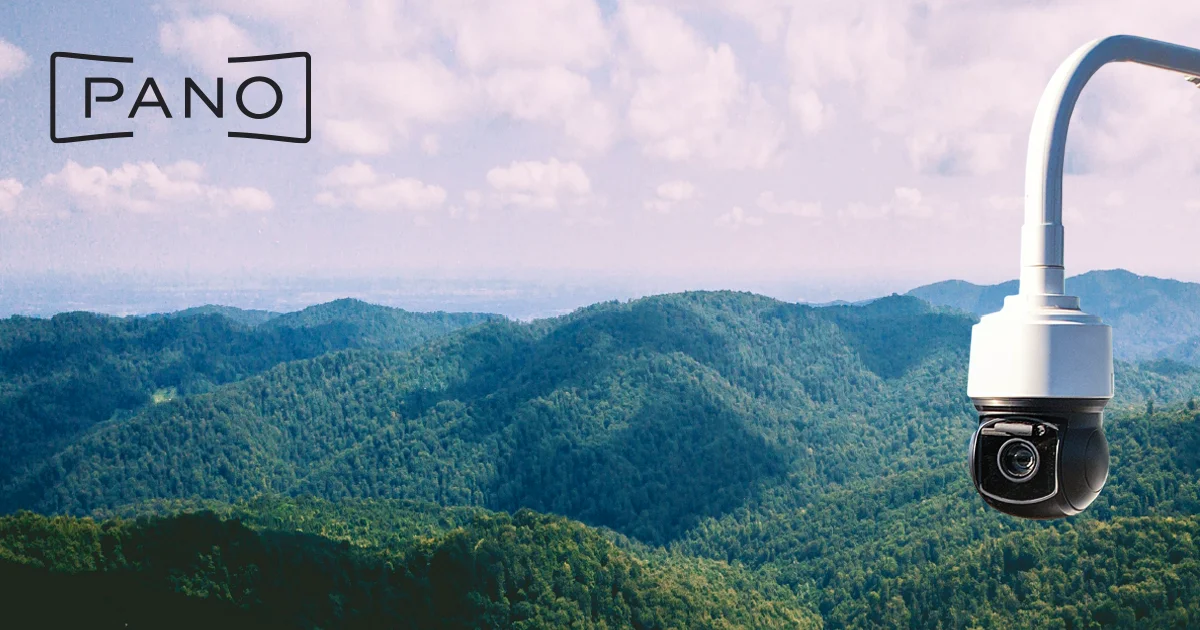
Pano AI uses a network of high-definition cameras mounted at elevated vantage points, combined with AI-powered image analysis, to continuously scan landscapes for early smoke and fire signatures. When a threat is detected, the system confirms the incident and alerts relevant stakeholders automatically.
Who is Pano AI designed for?
Pano AI serves three primary audiences: electric utilities protecting grid infrastructure, fire professionals and emergency managers coordinating response, and landowners seeking early warning for property protection. The platform is enterprise-grade and designed for organizations with large-scale monitoring needs.
What information does Pano AI deliver to first responders?
First responders receive real-time visual intelligence including live camera feeds, confirmed fire locations, situational awareness data, and incident notifications — enabling faster, more coordinated response to active fire events.
Is Pano AI available in my region?
Pano AI coverage depends on where their camera station network has been deployed. Interested parties can request a demo or inquiry through the Pano website to learn about availability in their region or explore bringing Pano to a new area.
How does Pano AI integrate with existing emergency response workflows?
Pano AI is built to complement existing emergency management systems, delivering data and visual intelligence through its platform in a format that supports how fire agencies, utilities, and land managers already operate — without requiring a complete overhaul of current processes.