
About
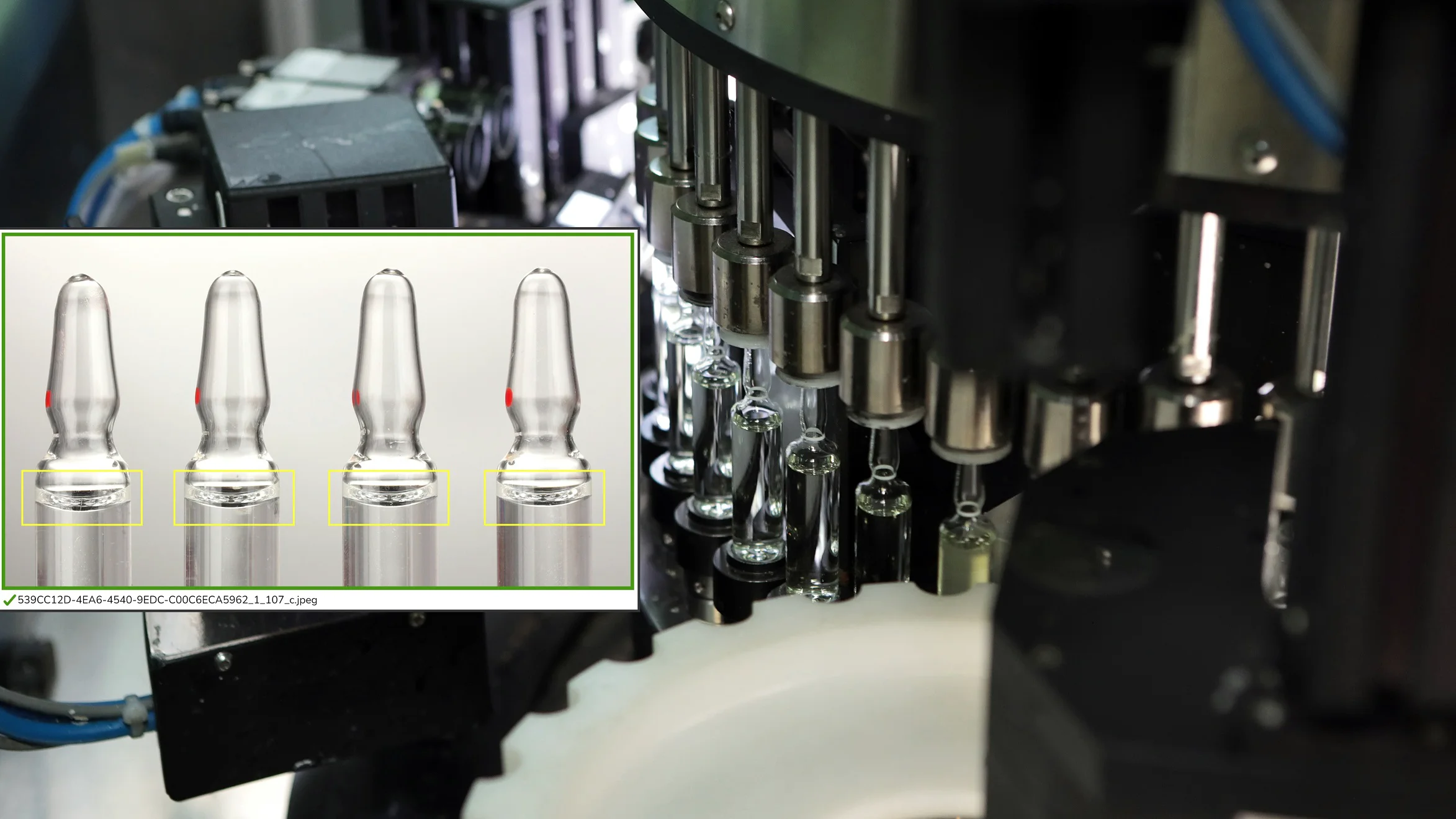
PEKAT VISION delivers a comprehensive machine vision solution purpose-built for industrial quality control environments. Founded in 2017 with a deep learning focus, the platform makes AI-based visual inspection practical and deployable directly on the factory floor—even by non-programmers. Its intuitive interface allows engineers and operators to train, deploy, and run inspections with minimal setup. The software's flagship capability is its deep learning Anomaly Detector, which identifies defects that are difficult to define in advance—including novel or previously unseen flaws. Additional modules include a Detector & Classifier for identifying and categorizing objects, Surface Detection for material surface quality checks, and OCR for text and code reading on products. Beyond software, PEKAT VISION offers a full hardware ecosystem: compact smart sensors, high-performance MX-E vision processors, P-Series smart cameras, and MX-G vision systems, along with industrial area scan and line scan cameras. This end-to-end portfolio enables reliable inspection, measurement, guidance, and identification across diverse manufacturing sectors including packaging, plastics, metals, textiles, pharmaceuticals, electronics, food & beverage, and automotive. PEKAT VISION supports adoption with a free feasibility study, a 30-day trial period, and team-specific training. It is ideal for quality managers, manufacturing engineers, and systems integrators seeking scalable, reliable AI vision inspection without deep ML expertise.
Key Features
- Deep Learning Anomaly Detection: Identifies hard-to-define and previously unseen defects using AI, making it suitable for demanding quality inspection tasks across complex surfaces and materials.
- No-Code Inspection Training: An intuitive UI allows engineers and operators to train and deploy inspections without writing any code, dramatically lowering the barrier to AI adoption on the factory floor.
- Full Machine Vision Hardware Portfolio: Offers a complete range of hardware including smart sensors, smart cameras, vision processors, and industrial cameras to support diverse industrial setups.
- Multi-Module Inspection Capabilities: Covers defect detection, completeness checks, product sorting, camera-based robot guidance, surface inspection, and OCR text reading in a single platform.
- Feasibility Study & Trial Program: Supports industrial adoption with a free feasibility study, a 30-day software trial, and targeted team training to validate machine vision ROI before full deployment.
Use Cases
- Automated defect detection on automotive parts such as body panels, seals, and machined components during production line quality checks.
- Pharmaceutical and cosmetic packaging inspection to verify label placement, seal integrity, and completeness before shipment.
- Surface quality inspection of metal, plastic, or textile materials to identify scratches, contamination, or pattern irregularities.
- Food and beverage product sorting and completeness verification to ensure correct fill levels, cap placement, and absence of foreign objects.
- Camera-based robot guidance in assembly lines to accurately position, pick, or orient components using real-time vision feedback.
Pros
- No Programming Required: The intuitive training interface makes it accessible to production engineers and operators without software development skills, accelerating time-to-deployment.
- Detects Novel and Undefined Defects: The anomaly detection engine can find defects that are difficult to explicitly define, including ones never seen during training—ideal for high-variability products.
- End-to-End Solution: Combines AI software with a full hardware portfolio under one vendor, simplifying procurement, integration, and support for manufacturers.
- Strong Industry Track Record: Trusted by integrators and manufacturers across Europe and Asia, with validated applications in pharma, automotive, food, and more.
Cons
- Enterprise-Focused Pricing: As an industrial-grade platform, pricing is tailored for manufacturers and integrators—likely cost-prohibitive for small businesses or individual researchers.
- Requires Industrial Hardware Integration: Deploying the system requires compatible cameras, sensors, and vision hardware, which involves upfront capital investment and integration expertise.
- Limited Self-Service Information Online: Detailed pricing and technical specifications are not publicly listed; prospective users must contact the team or request a demo, slowing evaluation.
Frequently Asked Questions
What industries does PEKAT VISION support?
PEKAT VISION supports a wide range of industries including packaging, plastics & rubber, metal & machining, textile & garment, pharmaceutical & cosmetic, electronics, food & beverage, automotive, building materials, and wood & furniture.
Do I need programming skills to use PEKAT VISION?
No. The platform is designed for engineers and operators without programming experience. Its intuitive UI allows you to train, configure, and deploy visual inspections without writing any code.
Can PEKAT VISION detect defects it has never seen before?
Yes. The deep learning-based Anomaly Detector is specifically designed to identify previously unseen or novel defects that are difficult to define explicitly in advance.
Is there a trial available before purchasing?
Yes. PEKAT VISION offers a 30-day software trial as well as a free feasibility study to help you validate whether the solution is suitable for your specific inspection application.
What hardware does PEKAT VISION work with?
PEKAT VISION offers its own hardware ecosystem including P-Series smart cameras, MX-G vision systems, MX-E vision processors, and industrial area and line scan cameras. The AI software can also be integrated with third-party machine vision hardware.