

About
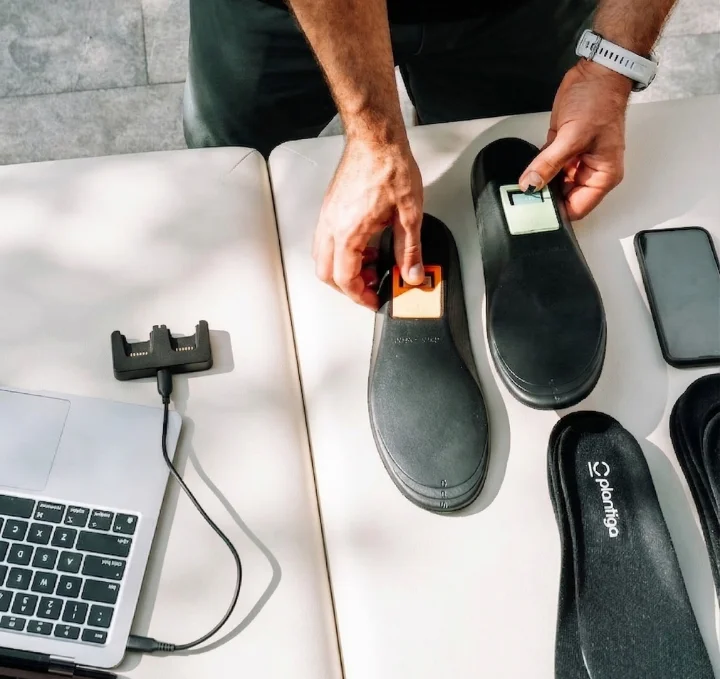
Plantiga is a comprehensive AI Movement Intelligence platform that bridges the gap between traditional lab-based biomechanical assessments and real-world athletic performance. By embedding advanced IMU sensors directly into insoles, orthotics, or shoes, Plantiga captures precise movement data — including asymmetries, mechanical loads, ground contact times, and variabilities — wherever athletes train or compete: on-court, on-field, on-ice, or on-track. At the heart of the platform is Norman.ai, an AI engine that automatically detects activity types, builds individual movement signatures, identifies subtle micro-changes and asymmetries, and delivers actionable insights to performance and medical staff. This continuous biomechanical surveillance enables teams to move beyond reactive injury tracking toward proactive injury prevention. Plantiga addresses three critical challenges in high-performance athlete management: confident Return-to-Play (RTP) decisions backed by objective functional readiness data, early-warning injury prevention through deviation flagging, and performance longevity by optimizing daily mechanical load throughout demanding seasons. The platform is validated against gold standards and is the only in-shoe sensor approved for player use by the NBA. It serves elite athletes, professional and collegiate sports teams, rehabilitation clinics, healthcare and longevity programs, defense and tactical units, and research institutions — making it a versatile addition to any performance tech stack.
Key Features
- In-Shoe IMU Sensors: Sensors embedded in insoles or orthotics continuously capture movement asymmetries, mechanical loads, and variabilities across all movement types in real-world environments.
- Norman.ai Movement AI: AI engine that builds individual movement signatures, automatically detects activity types, and flags biomechanical deviations before they escalate into injuries.
- Return-to-Play (RTP) Analytics: Provides objective, data-driven validation of functional readiness, lower-body asymmetries, and load tolerance to support confident RTP decisions on the actual playing surface.
- Continuous Injury Surveillance: Monitors athletes 24/7 across training and competition environments, detecting subtle micro-changes that indicate injury risk before symptoms appear.
- Performance Longevity Optimization: Tracks cumulative mechanical load and movement efficiency throughout the season to sustain peak performance and reduce wear-related fatigue.
Use Cases
- A professional basketball team uses Plantiga to make objective return-to-play decisions after player injuries, validating movement symmetry and load tolerance on the actual court before clearing athletes.
- A collegiate sports performance director monitors athletes' daily biomechanical load throughout a demanding season to reduce cumulative fatigue and prevent overuse injuries.
- A sports rehabilitation clinic tracks post-surgical patients' gait patterns and movement asymmetries in real-world conditions to guide personalized recovery protocols.
- A defense and tactical unit monitors the physical movement health of personnel during training operations to identify injury risk and optimize operational readiness.
- A sports science research team uses Plantiga's validated sensor data to study biomechanical adaptations across different movement types and athlete populations.
Pros
- Real-World Data Capture: Unlike lab-based force plates or motion capture, Plantiga collects data wherever athletes actually compete, providing ecologically valid biomechanical insights.
- NBA-Approved & Extensively Validated: The only in-shoe sensor approved for player use by the NBA, validated against gold-standard measurement tools, ensuring clinical-grade reliability.
- Unified Platform for Multiple Use Cases: Addresses return-to-play, injury prevention, and performance longevity in a single integrated system, reducing the need for multiple disparate tools.
- Versatile Across Environments: Works seamlessly on-court, on-field, on-ice, on-track, at home, and on the road — ensuring continuous monitoring without interrupting athlete routines.
Cons
- Enterprise Pricing: Targeted at professional teams, clinics, and institutions; pricing is likely prohibitive for individual athletes or small organizations without dedicated budgets.
- Hardware Dependency: Requires proprietary in-shoe sensor hardware, adding upfront equipment costs and potential logistical challenges around sensor maintenance and calibration.
- Niche Application Scope: Highly specialized for sports performance and clinical rehabilitation; limited utility outside of athletic or health-performance contexts.
Frequently Asked Questions
How does Plantiga collect movement data?
Plantiga uses IMU (Inertial Measurement Unit) sensors embedded in insoles, orthotics, or shoes to capture precise biomechanical data — including asymmetries, loads, ground contact times, and movement variabilities — during any activity in any environment.
What is Norman.ai?
Norman.ai is Plantiga's proprietary AI engine that processes raw sensor data to build individual movement signatures, automatically classify activities, detect biomechanical deviations and asymmetries, and generate actionable performance and injury-risk insights.
Who is Plantiga designed for?
Plantiga serves elite athletes, professional and collegiate sports teams, rehabilitation clinics, healthcare and longevity programs, defense and tactical organizations, and research institutions requiring objective biomechanical monitoring.
Is Plantiga approved for use in professional sports leagues?
Yes. Plantiga is the only in-shoe sensor approved for player use by the NBA, and it has been used across professional and collegiate sports including NCAA basketball programs.
How does Plantiga complement existing performance technology?
Plantiga fills the real-world data gap left by GPS trackers, motion capture systems, and force plates — all of which require controlled environments or are limited in scope. By adding a continuous, wearable movement intelligence layer, it completes the performance monitoring tech stack.