
About
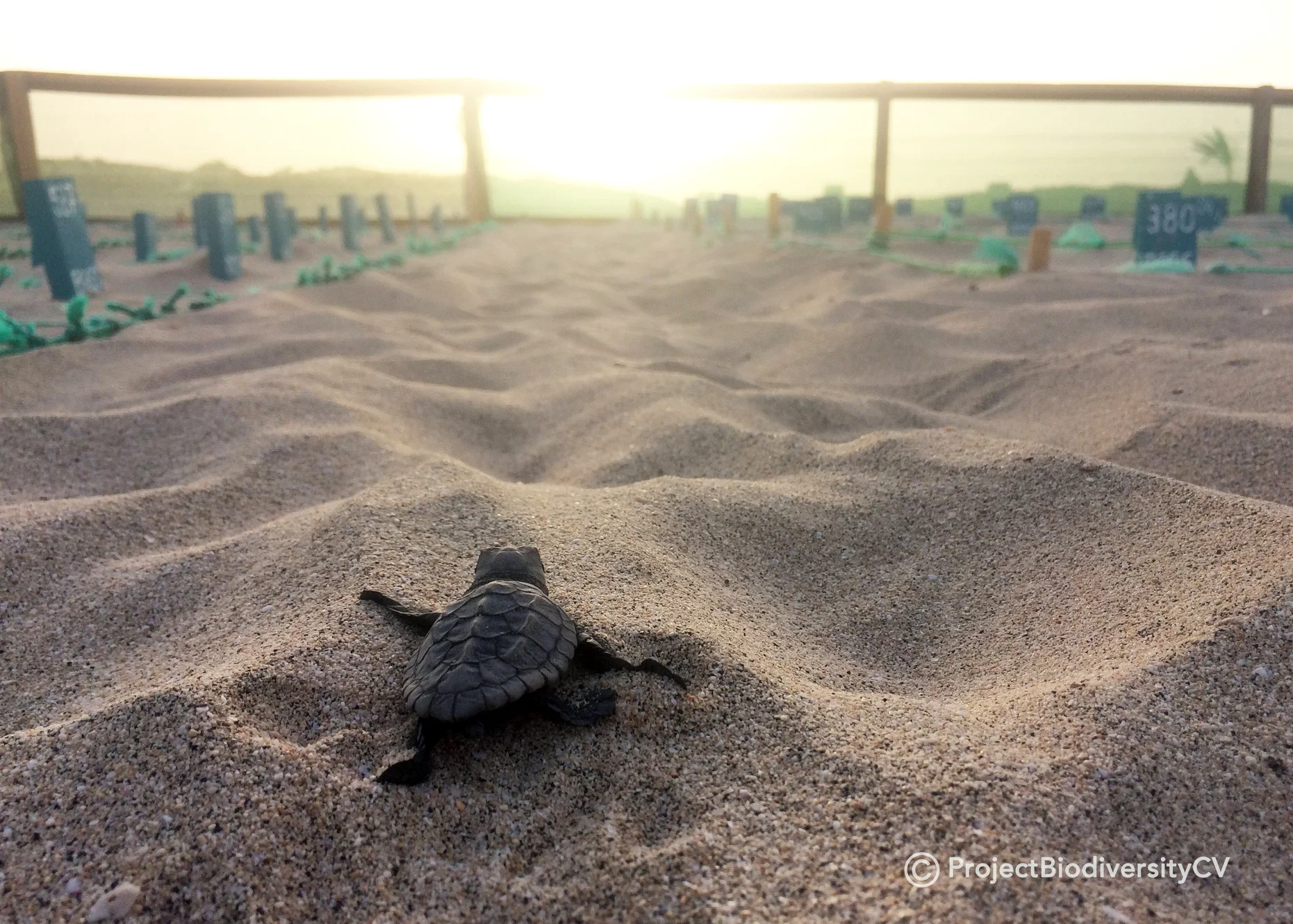
Project Biodiversity is a Cabo Verdean non-profit organisation working to protect and preserve the unique wildlife and ecosystems of Sal Island, Cabo Verde. Founded on the principles of community engagement and scientific monitoring, the organisation runs a wide range of environmental protection programmes covering sea turtles, birds, sharks, dunes, endemic plants, and marine habitats. Their sea turtle conservation programme is one of the most prominent in the region, safeguarding nesting beaches during turtle season and offering adopt-a-nest and adopt-a-baby-turtle schemes to engage supporters worldwide. Marine conservation efforts include drone surveys, underwater video assessments of sharks and rays, environmental DNA sampling, and juvenile lemon shark research at Parda Reef. The organisation also promotes sustainable fisheries by partnering with local fishers, restaurants, and communities to combat overfishing. Initiatives like 'Guardians of the Sea' tackle illegal, unreported, and unregulated (IUU) fishing, while 'Women of the Sea' empowers local women in conservation roles. Education and community outreach form a cornerstone of their work, raising awareness about natural resources and sustainable tourism. Volunteers can participate in sea turtle monitoring, island conservation, and homestay programmes. Project Biodiversity is ideal for conservation students, eco-volunteers, researchers, and anyone passionate about marine and terrestrial biodiversity in West Africa.
Key Features
- Sea Turtle Conservation: Monitors and protects nesting sea turtles on Sal Island beaches, with adoption programmes for nests and hatchlings to engage global supporters.
- Marine & Shark Monitoring: Conducts underwater video surveys, drone assessments, eDNA sampling, and lemon shark nursery research using cutting-edge and traditional techniques.
- Sustainable Fisheries Programme: Partners with local fishers, buyers, and restaurants to promote sustainable fishing practices and combat overfishing and IUU fishing.
- Community Education & Outreach: Delivers environmental education initiatives and community programmes to raise awareness about biodiversity and sustainable resource use.
- Volunteering Opportunities: Offers sea turtle, island conservation, and homestay volunteering programmes for individuals wanting hands-on conservation experience.
Use Cases
- Eco-tourists and conservation volunteers seeking meaningful fieldwork experience on Sal Island, Cabo Verde.
- Researchers and marine biologists looking to collaborate on sea turtle, shark, or bird monitoring studies.
- Donors and supporters wanting to fund wildlife conservation through nest adoptions or monthly giving.
- Schools and universities seeking partner organisations for environmental education and student conservation programmes.
- Local fishing communities and restaurants aiming to adopt sustainable fisheries practices and reduce overfishing impacts.
Pros
- Community-Centred Approach: Deeply integrates local fishers, women, and community members into conservation efforts, ensuring long-term sustainability and local buy-in.
- Diverse Conservation Scope: Covers a wide range of species and habitats — from sea turtles and sharks to birds, dunes, and endemic plants — providing holistic ecosystem protection.
- Volunteer & Donor Engagement: Offers multiple ways to get involved, including volunteering packages, nest adoption, monthly donations, and equipment wishlists.
Cons
- Geographically Limited: Programmes are focused exclusively on Sal Island, Cabo Verde, limiting direct impact to that specific region.
- Reliant on External Funding: As a non-profit, operations depend heavily on donations, grants, and volunteer fees, which can affect programme continuity.
Frequently Asked Questions
What is Project Biodiversity?
Project Biodiversity (Projeto Biodiversidade) is a Cabo Verdean non-profit organisation dedicated to protecting wildlife and habitats on Sal Island, Cabo Verde, through community-based conservation programmes.
How can I volunteer with Project Biodiversity?
You can apply for sea turtle volunteering, island conservation volunteering, or homestay volunteering through their website. Each programme offers hands-on fieldwork experience.
Can I adopt a sea turtle nest or baby turtle?
Yes. Project Biodiversity offers adopt-a-nest and adopt-a-baby-turtle programmes, allowing supporters worldwide to contribute directly to sea turtle conservation on Sal Island.
What species does Project Biodiversity protect?
The organisation focuses on sea turtles, sharks (including lemon sharks), several bird species, and endemic coastal plants, while also monitoring marine habitats and dune ecosystems.
How does the Guardians of the Sea initiative work?
The Guardians of the Sea programme engages local fishers and communities to combat illegal, unreported, and unregulated (IUU) fishing, helping to safeguard marine resources and fisher livelihoods in Cabo Verde.