
About
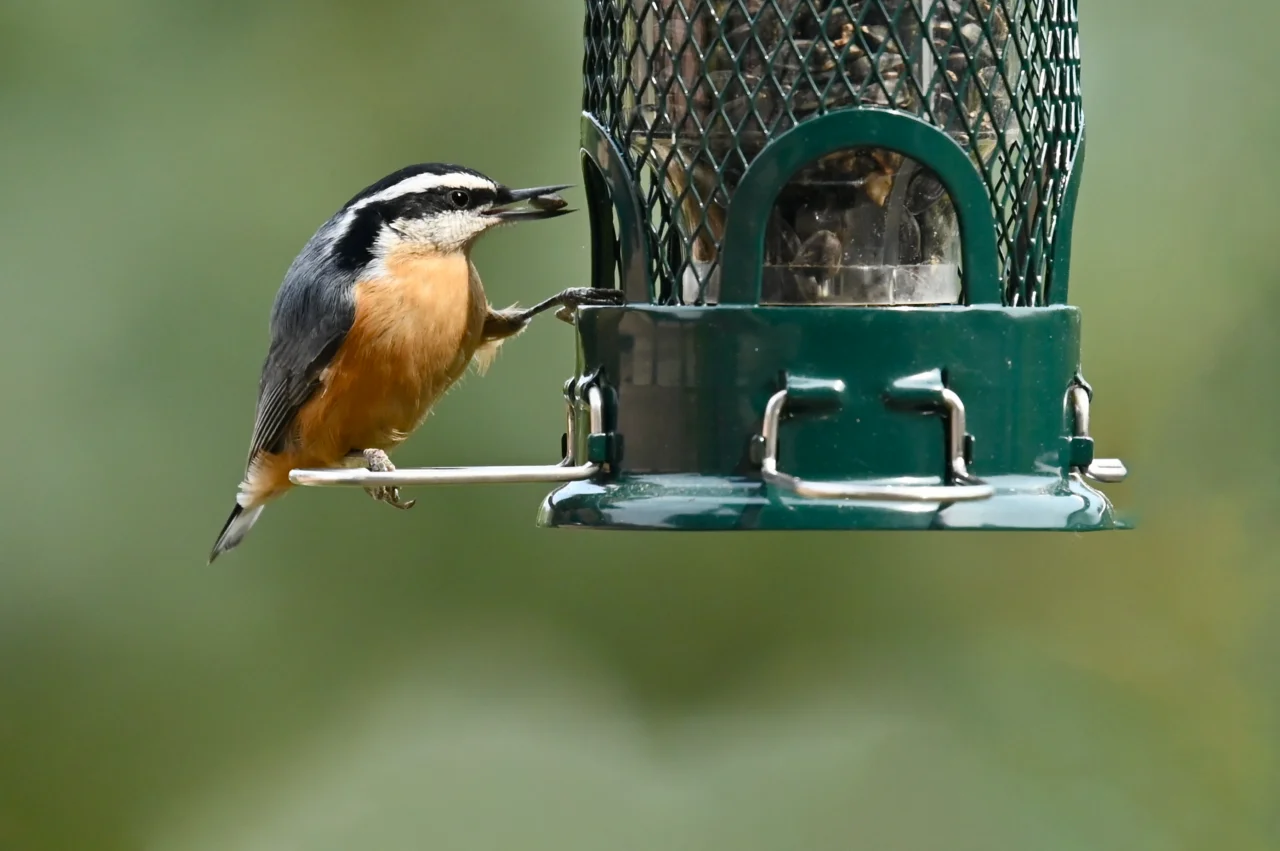
Project FeederWatch is a citizen science initiative run by the Cornell Lab of Ornithology that engages everyday people in meaningful wildlife research. Participants choose their own location—backyards, nature centers, or community spaces—and count birds and mammals that visit during the late fall and winter season. Observations are submitted via a mobile app or website, making it easy to contribute data from anywhere in the U.S. and Canada. The platform aggregates millions of observations to produce richly detailed trend graphs, regional Top 25 bird lists, and state/province-level bird summaries, giving participants and researchers alike a window into how avian populations are shifting over time. Users can explore raw datasets, view scientific publications, and consult interactive tools for identifying 100+ common feeder bird species by preferred food and feeder type. Beyond data collection, FeederWatch offers a full educational ecosystem: identification guides for tricky species pairs, safe feeding best practices, gardening tips for attracting birds, and educator resources for classroom use. A dedicated community layer—participant photo galleries, a blog, and FeederWatch cams—keeps observers engaged year-round. The program also runs targeted studies, such as the ongoing Bird-Glass Collision Study, where participants help identify prevention strategies. FeederWatch is ideal for nature enthusiasts, educators, students, and anyone who wants to turn a love of backyard wildlife into actionable scientific contribution.
Key Features
- Feeder Bird Counting: Participants count birds and mammals at self-selected sites during the season and submit tallies in real time via mobile app or web.
- Population Trend Graphs: Interactive visualizations show whether species populations are increasing, stable, or declining in a participant's region over time.
- Species Identification Tools: Interactive guides cover 100+ common feeder birds with preferred foods, feeder types, and tips for distinguishing similar-looking species.
- Aggregated Research Data: Contributes to scientific publications, year-end Winter Bird Highlights reports, and downloadable raw datasets available to researchers.
- Targeted Citizen Science Studies: Participants can enroll in special studies like the Bird-Glass Collision Study to gather focused data on specific conservation issues.
Use Cases
- A homeowner tracks which bird species visit their backyard feeder each winter and submits counts that contribute to regional population monitoring.
- A science teacher enrolls their class in FeederWatch to give students hands-on experience with data collection and citizen science methodology.
- A birdwatcher uses the trend graphs and Top 25 Birds tool to compare local sightings against regional and national patterns.
- A conservation volunteer joins the Bird-Glass Collision Study to document and help reduce window strikes at their home and workplace.
- A researcher downloads raw FeederWatch datasets to analyze long-term shifts in feeder bird populations across North America.
Pros
- Genuinely Contributes to Science: Observations feed directly into peer-reviewed research and long-term population monitoring, giving participants real scientific impact.
- Flexible Participation: Participants choose their own location, schedule, and observation duration, making it accessible for people with any lifestyle.
- Rich Educational Resources: Comprehensive identification guides, feeding tips, and educator materials make it valuable for learners of all ages and experience levels.
Cons
- Seasonal and Regional Scope: Active counting is limited to the fall/winter season, and the program is restricted to the U.S. and Canada.
- Membership Fee Required: Full participation including data submission requires an annual membership fee, which may be a barrier for some users.
Frequently Asked Questions
Who can participate in Project FeederWatch?
Anyone in the U.S. or Canada can participate, regardless of experience level. You just need a feeder or an outdoor space where birds visit.
How do I submit my bird counts?
You can tally counts in real time using the FeederWatch mobile app on iOS or Android, or enter completed counts through the website.
Is there a cost to join?
Yes, Project FeederWatch requires an annual membership fee to participate and submit data, though many educational resources on the site are freely accessible.
What happens to the data I submit?
Your observations are aggregated with those of thousands of other participants to produce trend analyses, scientific publications, and annual Winter Bird Highlights reports.
Can educators use FeederWatch in the classroom?
Yes, FeederWatch provides dedicated educator resources and materials designed to bring citizen science and bird monitoring into classroom settings.