

About
Rainforest Connection (RFCx) is a pioneering conservation tech organization that deploys scalable, open-source AI and bioacoustic solutions to monitor biodiversity and combat illegal activities in the world's most threatened ecosystems. At the core of their system is the Guardian 3 (G3), an advanced bioacoustic monitoring device that continuously listens to the forest soundscape and uses machine learning to detect threats such as illegal logging chainsaws, poaching activity, blast fishing, and forest fires — all in real time. When a threat is identified, the G3 delivers instant alerts with precise location data and captured audio directly to rangers via a dedicated mobile app, enabling intervention before lasting damage occurs. RFCx also operates Arbimon, an AI-powered acoustic analysis platform that records, identifies, and monitors wildlife species from audio data, helping researchers and conservationists track ecosystem health over time. With over 424 years of audio recordings collected and 7,025 distinct species — including 310 threatened species — identified and monitored, RFCx's technology is reshaping our understanding of how wildlife lives, adapts, and communicates. Their open-source approach makes the technology accessible and scalable for conservation projects across the Americas, Africa, Asia, and Europe. RFCx is the ideal platform for conservation NGOs, government agencies, researchers, and indigenous communities seeking data-driven protection for endangered ecosystems.
Key Features
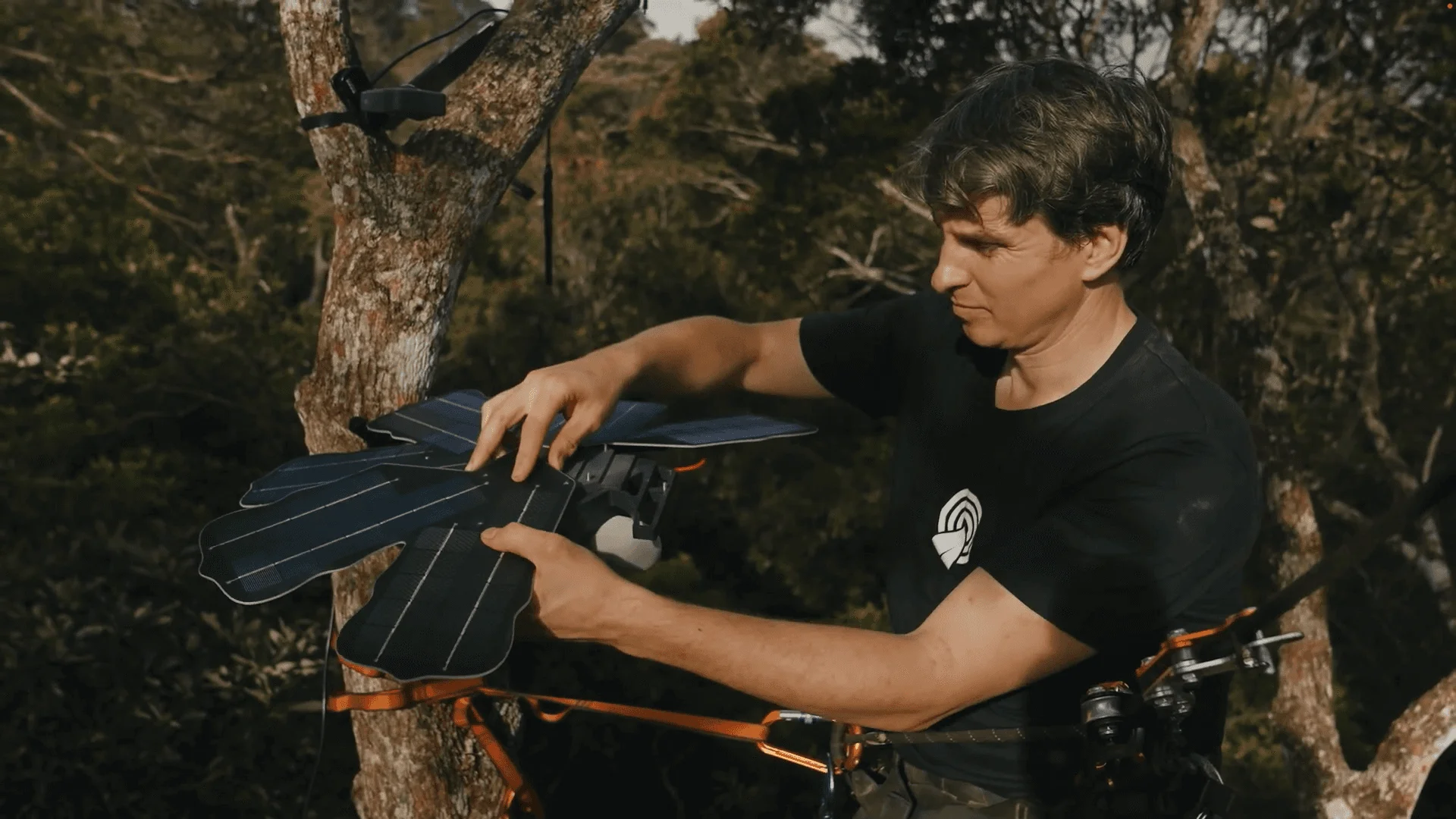
- Guardian 3 (G3) Bioacoustic Hardware: A ruggedized field device that continuously monitors the forest soundscape and uses AI to detect threats like chainsaws, gunshots, and forest fires in real time.
- Real-Time Ranger Alerts: The G3 sends instant notifications with location data and captured audio to rangers via a mobile app, enabling rapid intervention before irreversible damage occurs.
- Arbimon AI Analysis Platform: A cloud-based acoustic analysis platform that records, identifies, and monitors thousands of wildlife species from audio data to track long-term ecosystem health.
- AI-Powered Species Identification: Machine learning models trained on vast audio datasets identify over 7,025 distinct species — including 310 threatened species — from soundscape recordings.
- Open-Source & Scalable Architecture: All core software solutions are open-source, enabling conservation organizations worldwide to deploy and adapt the technology for their specific ecosystems.
Use Cases
- Real-time detection of illegal logging operations with instant alerts dispatched to forest rangers to intercept before trees are felled.
- Anti-poaching surveillance in protected wildlife reserves, identifying gunshots and unusual human activity via acoustic monitoring.
- Long-term biodiversity research and ecosystem health tracking by identifying and monitoring thousands of wildlife species from acoustic data.
- Early warning detection of forest fires in remote areas where traditional monitoring infrastructure is absent.
- Supporting indigenous community land protection efforts with scalable, open-source acoustic monitoring tools deployable with minimal infrastructure.
Pros
- Proven Large-Scale Impact: Over 726,000 hectares of rainforest protected and 424 years of audio data collected across four continents, demonstrating real-world conservation effectiveness.
- Real-Time Threat Intervention: AI-powered instant alerts give rangers actionable intelligence before illegal activity causes permanent damage, moving conservation from reactive to proactive.
- Open-Source and Accessible: The open-source model lowers barriers for NGOs, governments, and indigenous communities to deploy world-class conservation monitoring technology.
- Dual Monitoring Capability: Simultaneously handles both threat detection (illegal logging, poaching) and scientific biodiversity monitoring in a single integrated system.
Cons
- Requires Physical Hardware Deployment: Effective monitoring depends on placing Guardian devices in remote, often inaccessible forest locations, which can be logistically challenging and costly.
- Narrow Vertical Focus: The platform is purpose-built for forest conservation and wildlife monitoring — it is not a general-purpose AI or data analytics tool.
- Technical Setup Complexity: Deploying and maintaining the full system (hardware, connectivity, platform configuration) may require technical expertise that smaller organizations might lack.
Frequently Asked Questions
What is Rainforest Connection (RFCx)?
RFCx is a nonprofit conservation technology organization that uses AI, machine learning, and bioacoustic hardware to monitor rainforests, detect illegal activity, and track biodiversity in real time across threatened ecosystems worldwide.
How does the Guardian 3 (G3) detect illegal logging?
The G3 is mounted in the forest canopy and continuously listens to ambient sound. Its onboard AI models recognize the acoustic signatures of chainsaws, gunshots, vehicles, and other threat indicators, then immediately send geo-tagged alerts to rangers via a mobile app.
What is Arbimon?
Arbimon is RFCx's cloud-based AI analysis platform for acoustic biodiversity monitoring. It processes audio recordings from the field to identify and track wildlife species, enabling researchers to measure ecosystem health and species populations over time.
Is RFCx's technology open source?
Yes. RFCx is committed to open-source principles, making their software solutions freely available so conservation organizations, researchers, and governments around the world can deploy, adapt, and scale the technology for their own ecosystems.
What ecosystems and regions does RFCx operate in?
RFCx has active projects across the Americas (including Brazil, Colombia), Africa, Asia (including Indonesia), and Europe (including Poland's primeval forest). Their solutions are designed to be adaptable to diverse ecosystems globally.