

About
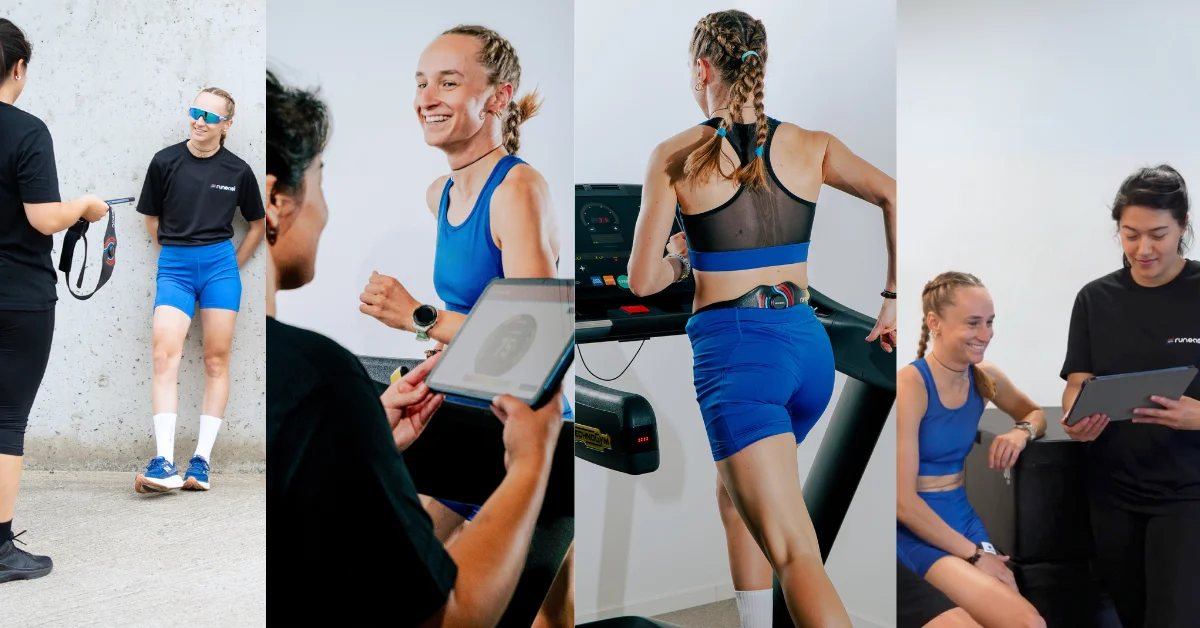
Runeasi brings lab-grade running biomechanics analysis into everyday clinical and coaching practice. Built for physiotherapists, sports coaches, and rehab professionals, the platform combines a lightweight wearable belt sensor with validated software to objectively measure running gait and jumping performance. Backed by 10+ years of research and validated against force plates and 3D motion capture, Runeasi removes guesswork from movement assessment. The platform measures key biomechanical metrics including impact loading (magnitude and absorption efficiency), dynamic hip stability (side-to-side movement), and left-right symmetry. Jump assessments add power and reactivity metrics to round out a full lower-limb performance profile. Setup takes under 60 seconds, and the system works anywhere — treadmill, running track, sports court, or trail — making it ideal for both clinic and field use. After each assessment, Runeasi automatically generates polished, client-facing reports complete with data-driven exercise recommendations and progress tracking, reducing manual reporting time and increasing patient engagement. Runeasi is used by clinics worldwide to differentiate their services, support ACL rehab, personalize running programs, manage overuse injuries, and generate word-of-mouth referrals. Its combination of scientific rigor, ease of use, and affordable pricing makes it accessible to independent practitioners as well as larger sports medicine facilities.
Key Features
- Validated Biomechanical Metrics: Measures impact loading, dynamic hip stability, and left-right symmetry using a sensor belt validated against force plates and 3D motion capture.
- Instant Client-Ready Reports: Automatically generates professional, shareable reports with actionable exercise recommendations immediately after each assessment.
- 60-Second Setup — Test Anywhere: Lightweight wearable belt is quick to deploy on any surface — treadmill, running track, sports court, or outdoor trail.
- Running & Jumping Assessments: Covers both running gait analysis and jump assessments to measure power, reactivity, and lower-limb symmetry in a single platform.
- Progress Tracking & Gait Retraining: Tracks changes over time with real-time data feedback, enabling clinicians to guide patients through gait retraining with objective evidence.
Use Cases
- Physiotherapists performing objective running gait assessments for injury rehab, particularly ACL recovery and overuse injury management.
- Sports coaches individualizing training plans by identifying biomechanical asymmetries and impact loading issues in their athletes.
- Clinics differentiating their services by providing data-driven, client-ready reports that improve patient retention and referrals.
- Running specialists establishing baseline biomechanical profiles for new clients and tracking measurable progress over a training or rehab program.
- Sports medicine practitioners screening runners before return-to-sport after lower limb injuries to ensure safe loading patterns.
Pros
- Scientifically Validated: Backed by 10+ years of research and validated against gold-standard force plates and 3D motion capture, giving clinicians confidence in the data.
- Boosts Patient Engagement: Shareable, visual reports improve patient understanding, motivation, and adherence — and drive word-of-mouth referrals for clinics.
- Fast & Portable: Minimal setup time and truly portable hardware let practitioners assess clients in any environment without disrupting clinical workflows.
- Affordable for Independent Clinics: Competitive pricing with strong ROI makes it accessible for solo practitioners and smaller clinics looking to stand out against larger competitors.
Cons
- Requires Hardware Purchase: The system depends on a proprietary sensor belt, adding an upfront hardware cost on top of the software subscription.
- Niche Application: Primarily designed for running and jumping biomechanics — not suited for broader movement screening or sport-specific assessments beyond these modalities.
- Dependent on Treadmill or Controlled Surface for Consistency: While portable, obtaining standardized and repeatable results is easiest in a controlled environment like a treadmill, which not all clinics have.
Frequently Asked Questions
What does Runeasi measure?
Runeasi measures impact loading (magnitude and absorption efficiency), dynamic hip stability (side-to-side movement), and left-right leg symmetry during running. Jump assessments additionally measure power and reactivity.
How long does it take to perform an assessment?
Setup takes under 60 seconds. A typical running assessment requires just a few minutes on the treadmill or track, after which an instant report is generated automatically.
Is Runeasi validated scientifically?
Yes. Runeasi's metrics are validated against force plates and 3D motion capture systems, the gold standards in biomechanics research, and are supported by over 10 years of research.
Who is Runeasi designed for?
Runeasi is built for physiotherapists, sports coaches, athletic trainers, and rehab specialists who work with runners. It suits both independent practitioners and larger sports medicine clinics.
Can Runeasi be used outside a clinic?
Yes. The portable belt sensor can be used on a treadmill, outdoor running track, sports court, or trail, making it suitable for field assessments and race-day environments.