

About
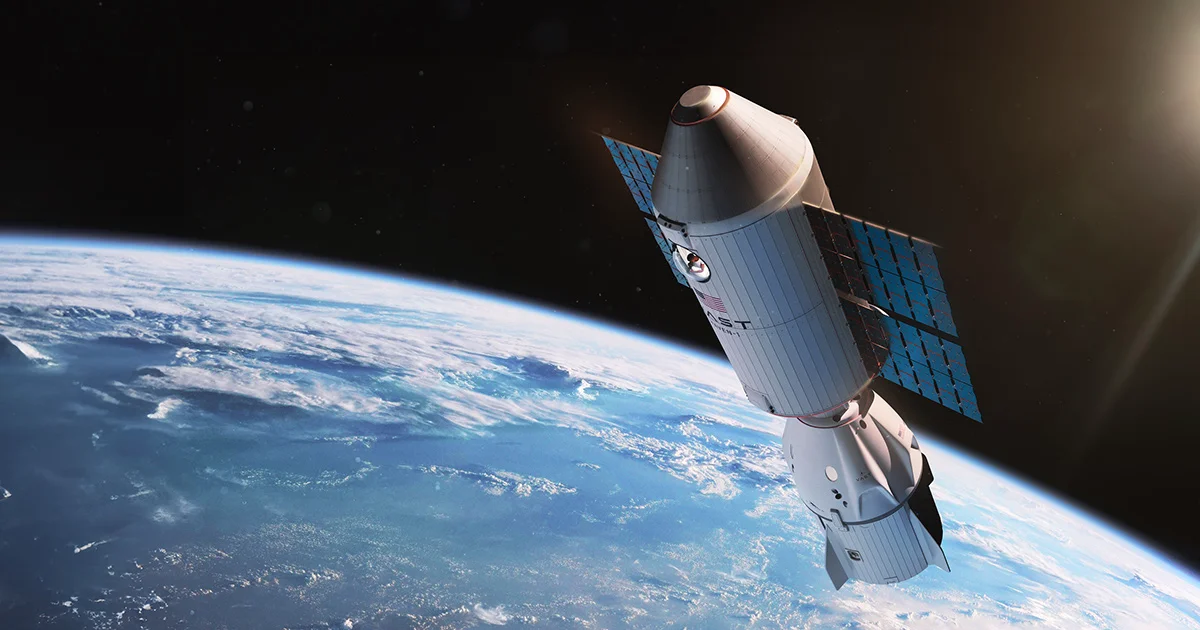
Vast is an aerospace company on a mission to build next-generation space habitats that allow humanity to live and thrive long-term in space, ensuring America's continuous human presence in low-Earth orbit. Their flagship project, Haven-1, is the world's first commercial space station, scheduled to launch in 2027. Haven-1 features a habitable volume of 45 m³, a pressurized volume of 80 m³, accommodates up to 4 crew members, and operates at 425 km altitude with 13,200 watts of solar power from 12 deployable solar array wings. All primary structures are manufactured in-house at Vast's Long Beach, California headquarters, making Haven-1 the first space station flight article built in the U.S. in over 20 years. Prior to Haven-1, Vast successfully flew Haven Demo — an in-space testbed that achieved mission success in November 2025 aboard the Bandwagon-4 rideshare mission, capturing 4K video of solar array deployment and validating key technologies. The company is also developing Haven-2, a larger next-generation station planned as Haven-1's successor. Vast's work spans life support systems, docking adapters, electromagnetic compatibility testing, structural pressure and load testing, and full mission simulation on the ground. Vast is ideal for space agencies, research institutions, and commercial partners seeking access to a privately operated orbital platform.
Key Features
- Haven-1 Commercial Space Station: The world's first commercial space station launching in 2027, with 45 m³ habitable volume and support for up to 4 crew members at 425 km altitude.
- In-House American Manufacturing: All primary structures are designed and built at Vast's Long Beach, CA headquarters — the first U.S.-built space station hardware in over 20 years.
- Haven Demo In-Space Testbed: An orbital technology demonstrator that achieved mission success in November 2025, validating Haven-1 systems including solar array deployment on a real spaceflight.
- Advanced Life Support Systems: Full-scale, in-house life support systems tested at Vast HQ to safely circulate air, support crew breathing, and maintain comfort aboard Haven-1.
- Haven-2 Next-Generation Station: A larger successor to Haven-1 in development, designed for expanded long-term human habitation and broader commercial missions in low-Earth orbit.
Use Cases
- Hosting scientific research and microgravity experiments for academic institutions and commercial R&D partners in a privately operated orbital lab
- Providing a commercial destination for astronaut missions after the retirement of the International Space Station
- Demonstrating and validating in-space technologies and payloads for government agencies and private companies
- Ensuring continuous American human presence and capability in low-Earth orbit through a commercially operated platform
- Serving as a stepping stone for developing and testing habitat technologies needed for future lunar and deep-space exploration missions
Pros
- World's First Commercial Space Station: Haven-1 breaks new ground as the first fully commercial orbital habitat, opening low-Earth orbit to research, industry, and international partners beyond government agencies.
- Proven In-Space Technology: Haven Demo successfully validated key Haven-1 technologies on orbit before the station launches, significantly reducing mission and hardware risk.
- Fully Domestic Manufacturing: All structures are built in-house in the U.S., ensuring supply chain control, national capability, and rigorous quality oversight.
Cons
- Not Yet Operational: Haven-1 does not launch until 2027, meaning the station is unavailable for live missions, research payloads, or crew access in the near term.
- High Cost of Access: Commercial space station services carry significant costs, limiting access primarily to well-funded government agencies, research institutions, and large commercial entities.
Frequently Asked Questions
When does Haven-1 launch?
Haven-1 is scheduled to launch in 2027 and will be the world's first commercial space station, operating in low-Earth orbit at 425 km altitude.
What is Haven Demo?
Haven Demo is an in-space testbed that flew as part of the Bandwagon-4 rideshare mission. It achieved mission success in November 2025, validating Haven-1 solar array and power systems in orbit.
How many crew members can Haven-1 support?
Haven-1 is designed to support up to 4 crew members within its 45 m³ habitable volume and 80 m³ pressurized volume.
Where does Vast build its space station hardware?
Vast builds all primary structures and conducts testing in-house at their headquarters in Long Beach, California, making it the first U.S.-built space station hardware in over 20 years.
What comes after Haven-1?
Vast is developing Haven-2, a larger and more capable next-generation space station planned as the long-term successor to Haven-1 for expanded human habitation and commercial operations.