
About
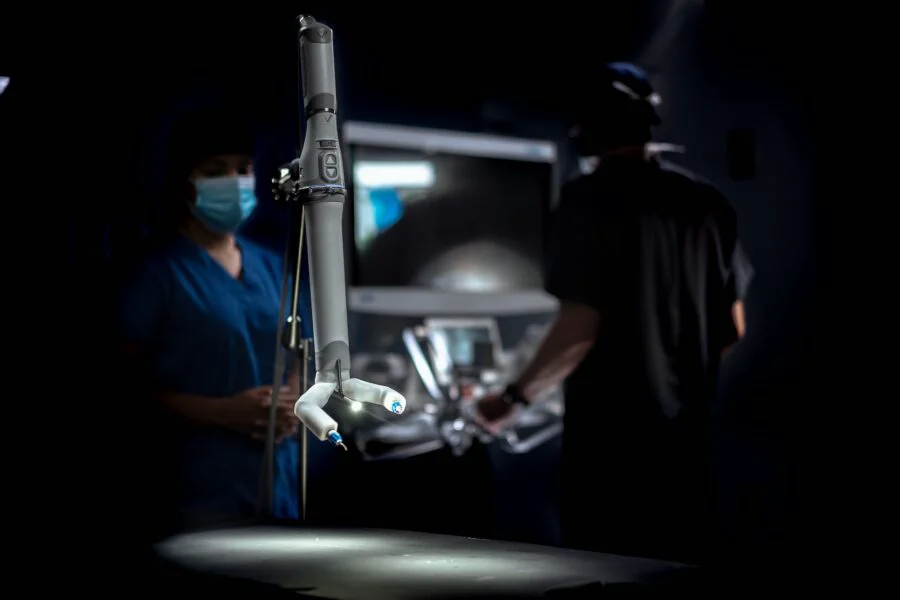
Virtual Incision MIRA is the world's first Miniaturized Robotic-Assisted Surgery (miniRAS) system, developed by Virtual Incision to democratize access to robotic-assisted surgery (RAS). Traditional mainframe robotic surgery systems are large, expensive, and complex, limiting the number of facilities and patients who can benefit from them. MIRA addresses this gap with a compact, tray-to-table design that integrates seamlessly into existing operating room infrastructure without requiring major facility upgrades. Robotic-assisted surgery enables surgeons to perform precise procedures through small incisions, resulting in fewer conversions to open surgery, shorter hospital stays, and reduced post-operative complications. MIRA's miniaturized footprint allows hospitals to perform more surgeries per day, ultimately expanding patient access to these clinical benefits. The system is built on a foundation of clinical excellence, combining advanced engineering with deep surgical expertise. Virtual Incision's leadership team includes experienced surgeons, engineers, and regulatory professionals committed to patient safety and innovation. The company is also exploring cutting-edge AI integrations, such as NVIDIA Isaac for Healthcare, to further advance surgical robotics capabilities. MIRA is ideal for healthcare facilities looking to complement existing mainframe RAS systems or introduce robotic-assisted surgery for the first time. It represents a significant step forward in making robotic surgery more accessible, affordable, and practical for hospitals of all sizes.
Key Features
- Miniaturized Design: MIRA's compact, tray-to-table form factor allows it to be deployed in existing operating rooms without the need for major infrastructure changes.
- Precision Robotic Surgery: Enables surgeons to perform minimally invasive procedures through small incisions with high precision, reducing complications and hospital stays.
- Expanded Access to RAS: Designed to complement mainframe robotic systems or operate stand-alone, enabling more facilities to offer robotic-assisted surgery.
- NVIDIA Isaac AI Integration: Virtual Incision is exploring NVIDIA Isaac for Healthcare to incorporate advanced AI capabilities into surgical robotics workflows.
- Remote Surgery Capability: Demonstrated U.S.-based remote robotic-assisted surgery, pointing toward future telesurgery applications.
Use Cases
- Hospitals seeking to expand robotic-assisted surgery capacity without major infrastructure investment
- Surgical facilities in underserved regions looking to provide patients access to minimally invasive robotic surgery
- Operating rooms that want to complement existing mainframe robotic systems with a flexible, compact alternative
- Healthcare systems interested in enabling remote or telesurgery capabilities through miniaturized robotic platforms
- Medical institutions aiming to increase the number of robotic-assisted procedures performed per day
Pros
- Increases Surgical Access: The miniaturized footprint allows more hospitals — including smaller facilities — to offer robotic-assisted surgery to their patients.
- Improved Patient Outcomes: Robotic precision reduces conversions to open surgery, shortens hospital stays, and lowers complication rates.
- Flexible Deployment: Can function as a stand-alone system or as a complement to existing mainframe RAS systems, offering operational flexibility.
Cons
- Niche Market: Designed specifically for surgical and medical environments, limiting its applicability outside of healthcare settings.
- Enterprise Pricing: As a medical-grade robotic system, MIRA requires significant capital investment, which may be prohibitive for smaller facilities.
- Regulatory Complexity: As a medical device, MIRA is subject to stringent regulatory requirements, which can affect availability across different regions.
Frequently Asked Questions
What is MIRA?
MIRA is the world's first Miniaturized Robotic-Assisted Surgery (miniRAS) system developed by Virtual Incision. It is designed to bring robotic surgery capabilities to more operating rooms through a compact, tray-to-table form factor.
How does MIRA differ from traditional robotic surgery systems?
Traditional mainframe robotic surgery systems are large and complex, requiring significant infrastructure. MIRA's miniaturized design integrates into existing operating room setups, enabling more facilities and surgeons to perform robotic-assisted surgeries.
What types of surgeries can MIRA perform?
MIRA is designed for robotic-assisted minimally invasive surgery, enabling precise procedures through small incisions. Specific indications are subject to regulatory clearance and clinical protocols.
Can MIRA be used alongside existing robotic surgery systems?
Yes. MIRA is designed to complement existing mainframe RAS systems or operate as a stand-alone solution, giving healthcare facilities maximum flexibility.
Is Virtual Incision incorporating AI into MIRA?
Virtual Incision is actively exploring the integration of NVIDIA Isaac for Healthcare AI technology into its surgical robotics platform to further enhance MIRA's capabilities.