

About
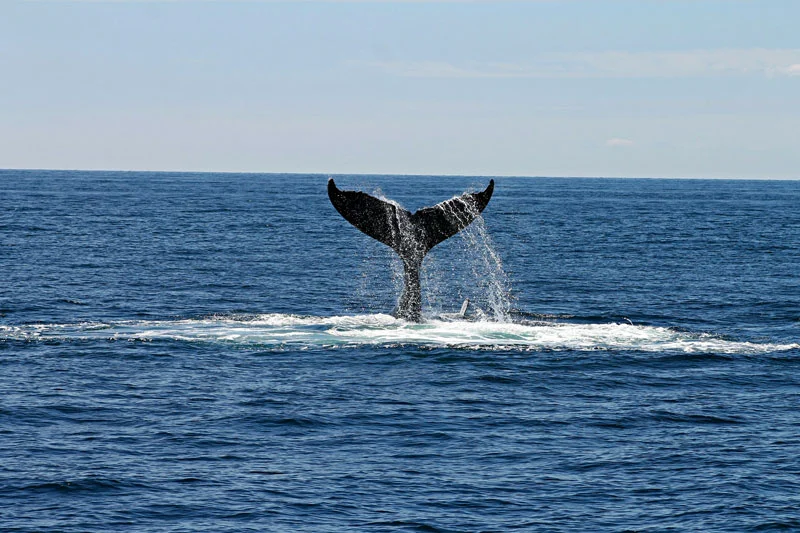
WhaleSpotter is an advanced AI-powered marine mammal detection and alert system designed to protect whales while keeping maritime operations safe and compliant. Using a combination of long-range thermal imaging cameras, computer vision AI, and expert human verification, it continuously scans the surrounding ocean and delivers clear visual and audible alerts the moment a whale is detected—day or night, in challenging sea conditions. The platform is purpose-built for shipping lines, offshore energy operators, ports, and marine construction companies that need to meet environmental regulations, reduce vessel strike risk, and minimize costly operational downtime. With regulatory-ready reporting built in, WhaleSpotter helps operators stay compliant with U.S. and international marine protection requirements. Deployed across the globe with over 300,000 hours at sea and more than 700,000 nautical miles protected, WhaleSpotter has earned the trust of leading maritime organizations including Matson Navigation. Its near-zero false alert rate means crews act only when a real threat is present, preserving efficiency while upholding environmental responsibility. The system is particularly critical along the U.S. East Coast and Pacific Northwest, home to endangered species such as the North Atlantic Right Whale and Southern Resident killer whales. WhaleSpotter's mission is to make ocean operations safer for both mariners and marine life, supporting a sustainable future for global waters.
Key Features
- Long-Range AI Detection: Uses thermal imaging cameras and computer vision AI to detect marine mammals at long range, even in low visibility and rough sea conditions.
- Expert-Verified Alerts: Every alert is verified by trained marine mammal experts before delivery, achieving near-zero false alert rates that crews can trust.
- 24/7 Real-Time Monitoring: Provides continuous around-the-clock surveillance with instant visual and audible alerts to help operators make timely avoidance decisions.
- Regulatory-Ready Reporting: Generates documentation and reporting required by U.S. and international marine protection regulations, streamlining compliance workflows.
- Global Deployment: Over 70 systems deployed worldwide since 2020, with proven performance across diverse ocean environments and maritime operations.
Use Cases
- Commercial shipping lines monitoring high-risk whale zones to reduce vessel strike incidents and meet NOAA requirements.
- Offshore wind and energy construction teams managing pile-driving and noise impact mitigation in whale habitats.
- Port authorities tracking marine mammal activity in approach corridors to coordinate vessel traffic safely.
- Marine conservation researchers and NGOs monitoring whale populations and movement patterns in real time.
- Government and regulatory agencies verifying environmental compliance for permitted maritime operations.
Pros
- Near-Zero False Alerts: The combination of AI detection and expert human verification ensures crews respond only to genuine whale sightings, preserving operational efficiency.
- Proven at Scale: With 100,000+ whales detected in 2025 and 300,000+ hours at sea, WhaleSpotter has a robust real-world track record across global waters.
- Regulatory Compliance Built In: Integrated reporting tools help maritime operators meet environmental regulations without additional administrative burden.
- Works in Challenging Conditions: Thermal imaging technology enables reliable detection at night and in adverse weather, unlike camera-only or acoustic-only solutions.
Cons
- Enterprise Pricing: Designed for commercial maritime operators; pricing is not publicly listed and is likely out of reach for small vessels or individual researchers.
- Hardware Dependency: Requires physical installation of sensors and cameras on vessels or structures, adding complexity and lead time to deployment.
- Limited to Marine Environments: The platform is highly specialized for ocean-going and offshore use cases, with no applicability to other wildlife monitoring or land-based scenarios.
Frequently Asked Questions
What types of marine mammals can WhaleSpotter detect?
WhaleSpotter is primarily designed for whale detection, including endangered species such as the North Atlantic Right Whale and Southern Resident killer whales. It can also detect other large marine mammals in its field of view.
How does WhaleSpotter achieve near-zero false alerts?
The system combines AI-powered thermal imaging analysis with expert human verification. Every potential detection is reviewed by trained marine mammal specialists before an alert is issued to the operator.
Where has WhaleSpotter been deployed?
Over 70 WhaleSpotter systems have been deployed globally since 2020, with notable presence along the U.S. East Coast, Pacific Northwest, and other international waters where endangered whale populations are active.
Who is WhaleSpotter designed for?
WhaleSpotter serves vessel operators (commercial shipping lines), offshore energy developers, port authorities, and marine construction companies that need to comply with environmental regulations and reduce the risk of whale strikes.
Does WhaleSpotter support regulatory compliance reporting?
Yes. WhaleSpotter includes regulatory-ready reporting features that help operators document marine mammal observations and avoidance actions as required by U.S. and international marine protection frameworks.