I
About
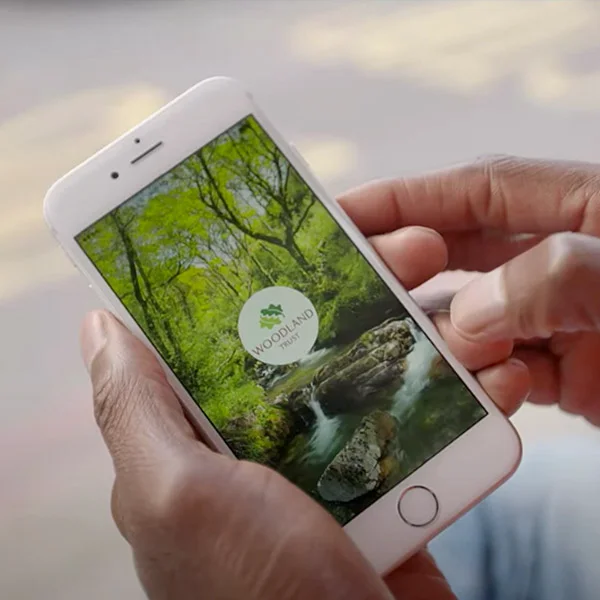
Woodland Trust Tree ID is a free, user-friendly tree identification tool developed by the Woodland Trust, the UK's largest woodland conservation charity. Designed for anyone curious about nature, the app walks users through a structured step-by-step process to identify British trees in any environment — whether that's a backyard garden, a local park, or open countryside. Unlike many identification tools that rely on a single feature, the app is built to work across all four seasons, guiding you to identify trees based on whatever clues are available at the time — leaves, bark, buds, flowers, fruit, or seeds. This seasonal flexibility makes it practical year-round. The tool covers a wide range of native and common UK tree species, making it an invaluable companion for school trips, woodland walks, foraging excursions, or general nature education. It is especially well-suited for children, students, educators, and families looking to engage more deeply with the natural world. As part of the Woodland Trust's broader digital ecosystem — which includes the Ancient Tree Inventory and Nature's Calendar — the Tree ID app connects users to a rich body of conservation knowledge. It's a perfect gateway into British wildlife and woodland heritage, offered entirely free in line with the charity's mission to make nature accessible to all.
Key Features
- Step-by-Step Identification: Guides users through a simple, structured process to accurately identify British trees without any prior botanical knowledge.
- All-Season Functionality: Works year-round by adapting identification clues to whatever is visible — leaves in summer, bark and buds in winter, flowers in spring.
- Comprehensive UK Species Database: Covers a wide range of native and commonly found British tree species found in gardens, parks, and countryside.
- Mobile App Format: Available as a mobile app for iOS and Android, making it easy to use on the go during woodland walks or nature outings.
- Charity-Backed & Free: Developed and maintained by the Woodland Trust, the UK's leading woodland conservation charity, and offered completely free of charge.
Use Cases
- Identifying an unknown tree spotted during a walk in the park or countryside
- Teaching children and students about native British trees on school nature trips
- Supporting foragers in correctly identifying trees before harvesting nuts, berries, or leaves
- Helping gardeners identify existing trees on their property before planting or managing
- Contributing to nature journaling or citizen science projects about UK woodland species
Pros
- Completely Free: No subscription, no ads, no paywalls — the app is entirely free, in keeping with the Woodland Trust's public-good mission.
- Beginner Friendly: The guided, step-by-step approach makes tree identification accessible even to those with no prior knowledge of botany or ecology.
- Works Year-Round: Unlike tools that rely solely on leaf shape, this app adapts to seasonal availability of clues, making it useful in all four seasons.
Cons
- UK-Only Species Coverage: The app focuses exclusively on British trees, so it is not useful for identifying species outside the United Kingdom.
- No AI Image Recognition: Identification is guide-based rather than photo-based, requiring users to manually answer questions rather than simply snapping a photo.
Frequently Asked Questions
Is the Woodland Trust Tree ID app free to use?
Yes, the app is completely free. It is provided by the Woodland Trust, a UK conservation charity, with no in-app purchases or subscription fees.
Can I use the app in winter when there are no leaves?
Yes. The app is designed to work in all seasons and can guide identification using bark, buds, twigs, fruit, and other clues available throughout the year.
What types of trees does the app cover?
The app covers a broad range of native and commonly found British tree species, including broadleaved trees and conifers found in gardens, parks, and woodland across the UK.
Is it available on both iOS and Android?
Yes, the Tree ID tool is available as a mobile app on both iOS and Android devices, as well as being accessible via the Woodland Trust website.
Who is the app designed for?
It is designed for anyone curious about nature — from schoolchildren and families to amateur naturalists, educators, foragers, and conservation volunteers.