

About
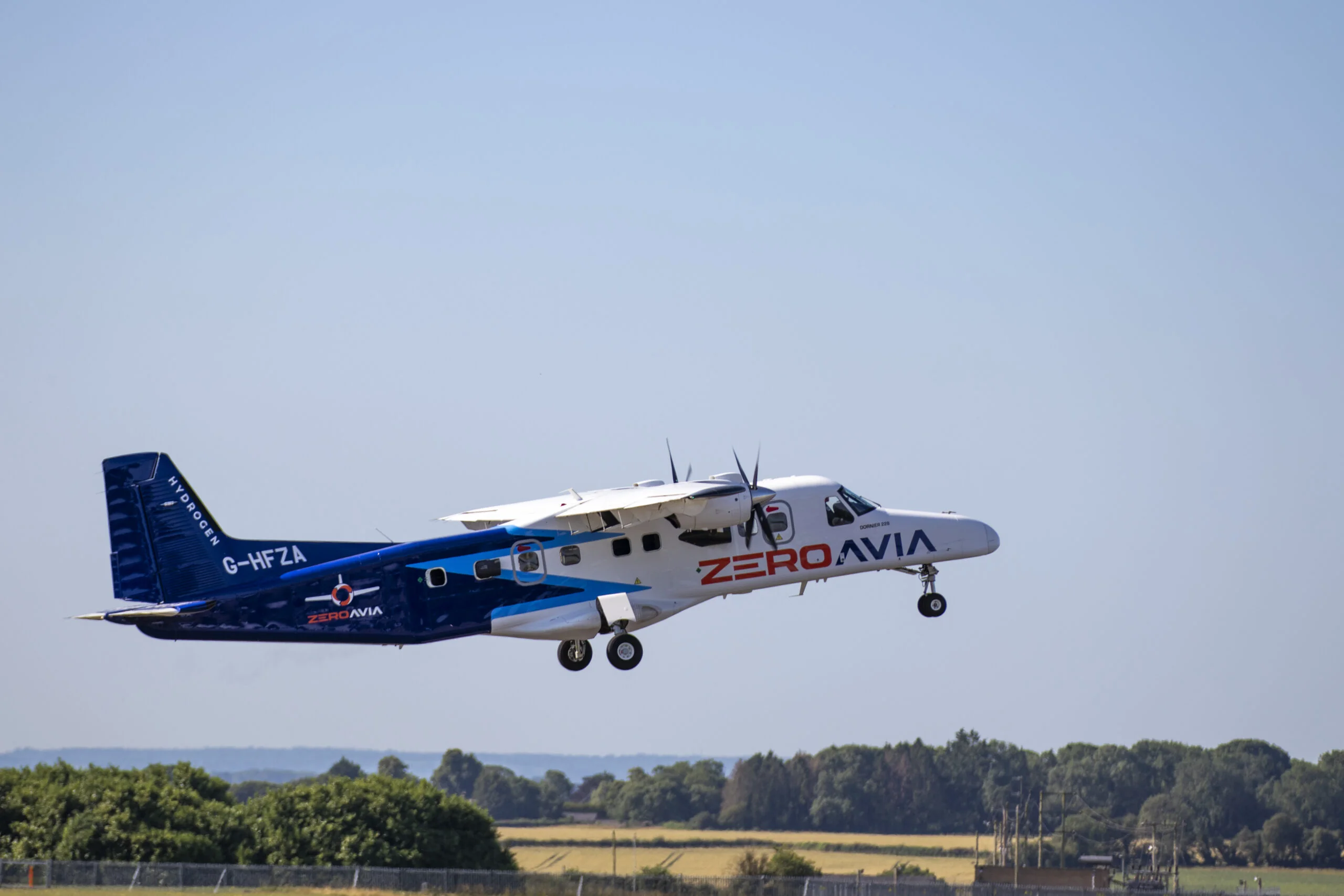
ZeroAvia SHAIPS represents ZeroAvia's flagship suite of aerospace-grade hydrogen-electric propulsion and power systems designed to decarbonize aviation at scale. Unlike sustainable aviation fuels (SAFs), which still produce CO2 and non-CO2 emissions (NOx, contrails, soot), hydrogen-electric systems eliminate in-flight emissions entirely—addressing both CO2 and the non-CO2 climate impacts that together roughly double aviation's climate footprint. The platform encompasses three core product lines: Fuel Cell PGS (Power Generation Systems) that integrate breakthrough hydrogen production and refueling technologies; Hydrogen-Electric Powertrains for 10–20 seat and 40–80 seat regional aircraft; and a broader Tech Portfolio of high power density, flexible fuel cell and electric propulsion components adaptable across commercial and defense use cases. ZeroAvia serves aircraft operators, manufacturers, lessors, and airports, offering lower operating costs, reduced noise, rapid refueling capabilities, and improved operational endurance compared to conventional propulsion. Defense and UAV applications benefit from 3–5× longer flight endurance for surveillance, reconnaissance, and strike missions. With facilities in the UK (Cotswold Airport, Kemble) and the US (Everett, WA), ZeroAvia is actively flight-testing its systems and working with partners to build out airport hydrogen ecosystems globally. SHAIPS is positioned as the foundational technology layer enabling a new era of sustainable commercial and defense aviation.
Key Features
- Hydrogen-Electric Powertrains: Purpose-built powertrains for 10–20 seat and 40–80 seat regional aircraft, delivering truly zero-emission flight with lower operating costs than conventional engines.
- Fuel Cell Power Generation Systems (PGS): Integrates breakthrough hydrogen production and on-site refueling infrastructure with deep expertise in airport hydrogen ecosystem development.
- High Power Density Tech Portfolio: Modular fuel cell and electric propulsion components offering exceptional power density, reliability, and flexibility for a wide range of electric aircraft applications.
- Extended-Endurance UAV Propulsion: Hydrogen-electric UAV systems that achieve 3–5× longer flight endurance compared to battery alternatives, enabling extended surveillance, reconnaissance, and strike missions.
- Full Emissions Elimination: Eliminates both CO2 and non-CO2 in-flight emissions (NOx, contrails, SOx, PM, soot) — addressing the full scope of aviation's climate impact, unlike SAFs.
Use Cases
- Regional airlines replacing conventional turboprop or jet engines with hydrogen-electric powertrains to achieve net-zero operations on short and medium-haul routes.
- Aircraft manufacturers (OEMs) integrating ZeroAvia's propulsion systems into next-generation clean aircraft platforms for the 10–80 seat regional market.
- Defense agencies deploying hydrogen-electric UAVs for intelligence, surveillance, and reconnaissance (ISR) missions requiring 3–5× longer endurance than battery-powered alternatives.
- Airports and ground operators building on-site hydrogen production and refueling infrastructure to support hydrogen-electric aircraft operations.
- Trainer aircraft operators transitioning to hydrogen-electric propulsion to reduce operating costs, noise, and emissions at flight training academies.
Pros
- Addresses Full Climate Impact: Unlike SAFs or battery-electric, hydrogen-electric propulsion eliminates both CO2 and non-CO2 emissions, tackling the full environmental footprint of aviation.
- Lower Operating Costs: Hydrogen-electric powertrains offer significantly lower operating and maintenance costs compared to conventional jet engines, improving economics for operators.
- Scalable Across Aircraft Classes: The SHAIPS platform supports a range of aircraft sizes and missions — from regional airliners to UAVs and defense platforms — making it broadly applicable.
- Rapid Refueling vs. Battery Charging: Hydrogen refueling is significantly faster than recharging battery-electric aircraft, preserving operational cadence for commercial and defense operators.
Cons
- Requires New Airport Infrastructure: Hydrogen-electric aircraft depend on on-site hydrogen production and refueling infrastructure that most airports do not currently have, creating adoption barriers.
- Early-Stage Commercialization: Many powertrain variants are still in flight-testing or listed as 'coming soon,' meaning full commercial availability may still be years away for some aircraft classes.
- Enterprise/B2B Only: SHAIPS is exclusively targeted at aircraft manufacturers, operators, lessors, and defense agencies — not available as a consumer or SMB product.
Frequently Asked Questions
What does SHAIPS stand for?
SHAIPS stands for Sustainable Hydrogen Aircraft Integrated Propulsion System — ZeroAvia's suite of hydrogen-electric propulsion and power generation technologies for aviation.
What aircraft types does ZeroAvia SHAIPS support?
SHAIPS supports 10–20 seat and 40–80 seat regional fixed-wing aircraft, UAVs, trainer aircraft, and defense platforms. The system is designed to scale across multiple aircraft classes.
How is hydrogen-electric propulsion different from SAF or battery-electric?
Hydrogen fuel cells produce zero CO2 and zero non-CO2 emissions (NOx, contrails, soot) during flight. SAFs still emit CO2 and non-CO2 pollutants, while battery-electric aircraft are limited by energy density constraints, making hydrogen the most scalable long-range clean propulsion solution.
Where is ZeroAvia currently operating and testing?
ZeroAvia has facilities at Cotswold Airport in Kemble, England (UK) and in Everett, WA (USA). Active flight testing programs are ongoing at these locations.
Who are the target customers for ZeroAvia SHAIPS?
Target customers include regional aircraft operators, aircraft manufacturers (OEMs), lessors, airports looking to build hydrogen refueling ecosystems, and defense/government agencies requiring extended-endurance UAV or platform propulsion.