

About
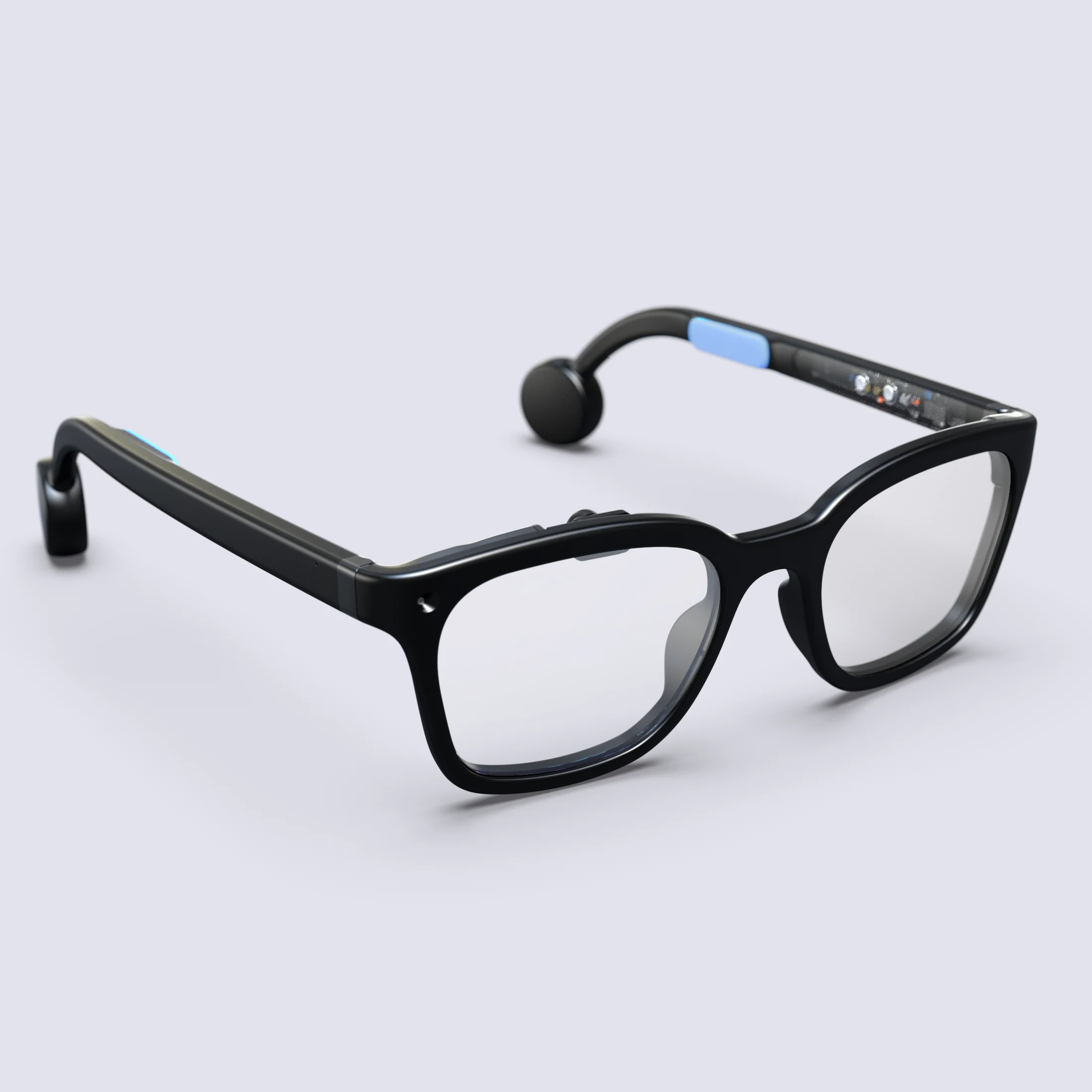
Halo is an open-source AI glasses platform designed for developers, makers, and creatives who want a wearable AI experience without vendor lock-in. Built by Brilliant Labs, the glasses combine a micro color OLED display, ultra-compact bone conduction speakers, and an Alif B1 processor with a dedicated Cortex-M55 CPU and NPU for on-device AI inference — all while delivering an impressive 14-hour all-day battery life. At the heart of Halo is Noa, a cloud-connected AI agent that handles real-time, multimodal conversations about anything you see, hear, or imagine. Noa can remember past interactions to become increasingly personalized over time, functioning as an always-on memory enhancement system. The hardware runs ZephyrOS with a Lua interface, and pairs with a cross-platform mobile app via Bluetooth 5.3. Halo supports optical-grade lenses with anti-reflective coating, along with prescription and sunglass lens options. Its sensor suite includes an ultra-low-power optical sensor, dual microphones with audio activity detection, and a 6-axis IMU with tap detection. Both hardware and software are fully open source, making it ideal for developers building novel AR, AI, or accessibility applications. Halo is positioned as the go-to wearable platform for building the next generation of ambient AI experiences.
Key Features
- On-Device AI Processor: Powered by the Alif B1 processor with a Cortex-M55 CPU and NPU, enabling low-power AI inference directly on the glasses without always needing cloud compute.
- Noa Multimodal AI Assistant: A cloud-connected AI agent that can hold real-time conversations about what you see, hear, or imagine, and builds a persistent memory of your interactions over time.
- Micro Color OLED Display: An integrated micro color OLED display delivers visual AI output and information overlays in a compact, wearable package.
- Open-Source Hardware & Software: Both hardware designs and software (ZephyrOS with Lua interface) are fully open source, enabling developers to build custom applications and modify the platform freely.
- 14-Hour All-Day Battery: Engineered for all-day wearability with an impressive 14-hour battery life, making it practical for continuous daily use.
Use Cases
- Developers building ambient AI or AR wearable applications on an open-source hardware platform
- Hands-free real-time AI assistance while cooking, exercising, cycling, or performing physical tasks
- Personal memory augmentation — logging and recalling what you've seen, heard, and discussed throughout the day
- Accessibility applications leveraging on-device AI for real-time audio and visual processing
- Makers and hardware hackers prototyping novel wearable AI experiences using open-source Halo hardware and ZephyrOS
Pros
- Fully Open Source: Hardware and software are both open source, giving developers complete freedom to customize, extend, and build on the platform without restrictions.
- On-Device AI with Low Power: The dedicated NPU enables AI inference on the device itself, reducing latency and preserving battery life while maintaining privacy.
- Persistent Personalized Memory: Noa's ability to remember past conversations and observations makes it an increasingly useful personal AI assistant the more you use it.
Cons
- Paid Hardware Required: Unlike software-only AI tools, Halo requires purchasing physical hardware, which may be a barrier for casual users or those wanting to test before committing.
- Developer-Focused Platform: The open-source, ZephyrOS/Lua-based ecosystem is best suited for technically inclined users; consumer-friendly app ecosystems are still maturing.
- Cloud Dependency for Full AI Features: While some AI runs on-device, Noa relies on cloud-based AI agents for full multimodal conversation capabilities, requiring an internet connection.
Frequently Asked Questions
What is Noa and what can it do?
Noa is the AI assistant built into Halo glasses. It can handle real-time, multimodal conversations about anything you see, hear, or imagine. Over time, it builds a memory of your interactions to become more personalized and useful.
Is the Halo platform truly open source?
Yes — both the hardware designs and the software stack (ZephyrOS with Lua interface) are fully open source, allowing developers to inspect, modify, and build upon them freely.
What operating system do the glasses run?
Halo runs ZephyrOS, a real-time operating system, with a Lua scripting interface for application development. It pairs with a cross-platform mobile app via Bluetooth 5.3.
Do the glasses work with prescription lenses?
Yes. Halo supports optical-grade lenses with anti-reflective coating, and prescription as well as sunglass lens options are available.
How long does the battery last?
The Halo glasses are designed for all-day use with a 14-hour battery life, making them suitable for continuous daily wear.