
About
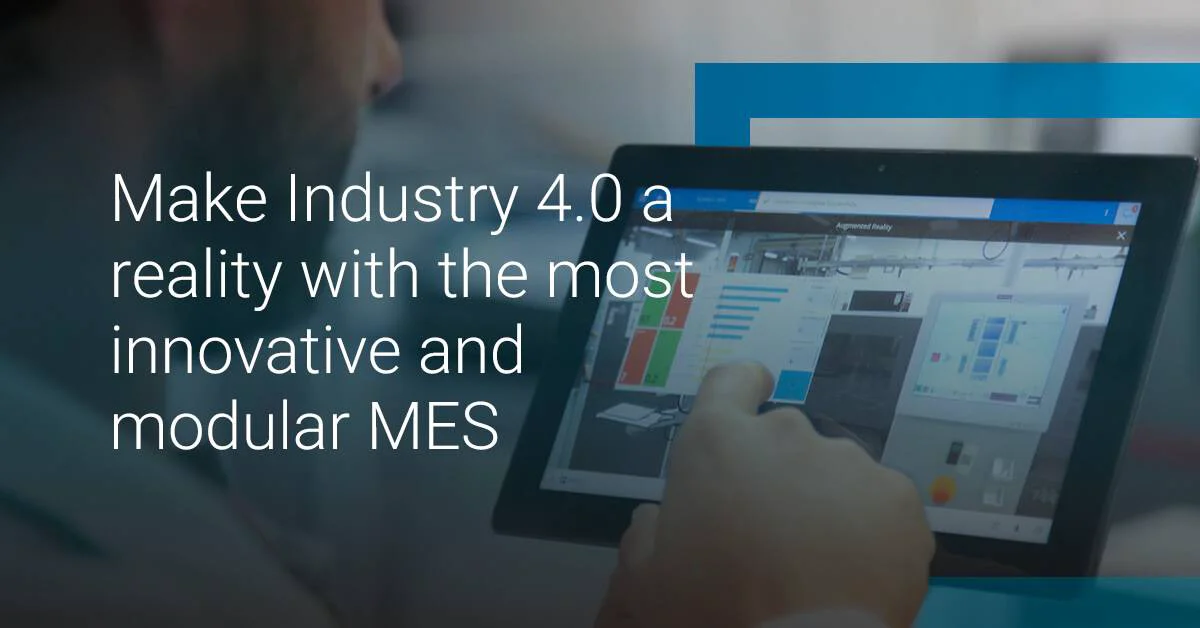
Critical Manufacturing MES is a comprehensive, modular Manufacturing Execution System built for Industry 4.0. It serves high-complexity discrete manufacturing sectors including Semiconductor, Medical Devices, Electronics, and Industrial Equipment. The platform is designed to help manufacturers digitalize operations, adapt to changing demand, and drive real-time continuous improvement across the factory floor. At its core, Critical Manufacturing offers execution-centered capabilities that go far beyond traditional MES: a Smart Factory Data Platform, AI Copilots for instant insights and chart generation, Factory Digital Twin for simulation and planning, Augmented Reality via fabLIVE, and Factory Automation and Material Logistics for streamlined production workflows. Advanced Planning and Scheduling (APS) enables optimized capacity and resource management. The platform provides deep integration capabilities including IoT connectivity, enterprise system integration, and Unified Namespace support — ensuring seamless data flow across the entire manufacturing ecosystem. A rich Apps Ecosystem and Digital Accelerators (Observability, Collaboration Hub, Smart Inspect, WIP Analyzer, Genealogic Resource Monitor) extend the platform's functionality. Critical Manufacturing is recognized in the 2026 Gartner® Market Guide for MES and IDC MarketScape, making it a trusted choice for global enterprises seeking scalable, secure, and future-proof manufacturing operations.
Key Features
- AI Copilots: Built-in AI assistants that provide immediate answers, generate charts, and surface actionable insights directly within the MES environment.
- Factory Digital Twin: Create a virtual replica of the factory to simulate production scenarios, optimize scheduling, and predict outcomes before making physical changes.
- Smart Factory Data Platform: A unified data layer that aggregates operational data from across the factory floor, enabling real-time analytics, observability, and decision-making.
- IoT & Enterprise Integration: Seamless connectivity to IoT devices, enterprise systems (ERP, PLM, LIMS), and support for Unified Namespace architecture to unify data flows.
- Advanced Planning & Scheduling: Optimize production capacity, manage resources, and synchronize material logistics to improve throughput and reduce downtime.
Use Cases
- A semiconductor fab uses Critical Manufacturing MES to manage advanced production scenarios, track WIP in real time, and leverage AI Copilots to rapidly diagnose yield issues.
- A medical device manufacturer replaces manual compliance tracking with automated quality workflows and digital genealogy tracing to meet FDA and ISO regulatory requirements.
- An electronics contract manufacturer integrates the MES with their ERP and IoT equipment via Unified Namespace to gain real-time visibility into capacity utilization and defect rates.
- An industrial equipment producer deploys the Factory Digital Twin to simulate new production line configurations before committing capital to physical changes.
- A global manufacturer uses Advanced Planning and Scheduling alongside Material Logistics modules to synchronize multi-plant operations and reduce production bottlenecks.
Pros
- Modular & Scalable Architecture: The platform's modular design allows manufacturers to adopt only the capabilities they need and scale up as their digital transformation matures.
- Industry-Specific Depth: Pre-built support for high-complexity industries like Semiconductor and Medical Devices means faster deployment and compliance readiness out of the box.
- Recognized by Leading Analysts: Featured in 2026 Gartner® Market Guide for MES and IDC MarketScape 2024-2025, providing confidence in long-term viability and enterprise support.
Cons
- Enterprise-Level Complexity: The breadth of features and modules can result in a steep learning curve and long implementation timelines for organizations new to MES.
- Pricing Not Publicly Available: As an enterprise solution, pricing requires direct engagement with the sales team, making it difficult to quickly assess budget fit.
- Primarily Targets Large Manufacturers: The platform's depth and cost structure may be excessive for small or mid-sized manufacturers with simpler production environments.
Frequently Asked Questions
What industries does Critical Manufacturing MES support?
Critical Manufacturing MES is purpose-built for complex discrete manufacturing industries including Semiconductor, Medical Devices, Electronics Assembly, and Industrial Equipment manufacturing.
Does Critical Manufacturing offer AI capabilities?
Yes. The platform includes AI Copilots that provide real-time answers, generate charts and dashboards, and help operators and managers make faster, data-driven decisions on the factory floor.
How does the Factory Digital Twin work?
The Factory Digital Twin creates a virtual model of your production environment, enabling simulation of process changes, capacity planning, and predictive analysis without disrupting live operations.
Can Critical Manufacturing integrate with existing ERP or IoT systems?
Yes. The platform offers robust enterprise integration capabilities, IoT device connectivity, and support for Unified Namespace, making it compatible with major ERP, PLM, LIMS, and OT systems.
Is Critical Manufacturing recognized by industry analysts?
Yes. Critical Manufacturing is listed in the 2026 Gartner® Market Guide for MES, the IDC MarketScape for Worldwide MES 2024-2025, and the Frost Radar™ for MES 2024, among other analyst reports.