

About
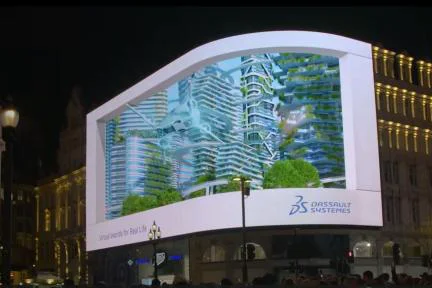
Dassault 3DEXPERIENCity is an enterprise-grade virtual twin platform by Dassault Systèmes designed to transform how cities, infrastructure, and construction projects are planned, built, and operated. Unlike static 3D models, it functions as a living digital system that integrates real-world data and simulations to support data-driven decision-making across every phase of the urban lifecycle. The platform addresses pressing challenges including aging infrastructure, climate risk, rapid urbanization, and the shift to clean energy. By modeling neighborhoods, transportation grids, utilities, and entire city territories, it enables scenario testing for resilience and sustainability before committing to physical construction. It supports industrialized construction workflows—helping design modular and prefabricated structures that reduce waste and improve productivity. For complex infrastructure projects involving thousands of workers, the platform consolidates all project elements, helping teams deliver on schedule and within budget. Urban planners and civic leaders can use it to simulate mobility transitions, demographic shifts, and clean-energy adoption, while even enabling citizen participation in co-designing their cities. Key users include architects, city planners, infrastructure engineers, construction firms, and government agencies. The solution is part of Dassault Systèmes' broader 3DEXPERIENCE platform, making it a powerful tool for organizations pursuing sustainable, people-centric urban development at scale.
Key Features
- Dynamic Virtual Twin Modeling: Creates living digital replicas of infrastructure from individual buildings to entire cities, integrating real-world data and simulation for continuous insight.
- Urban Scenario Testing: Enables planners and leaders to simulate climate resilience, mobility transitions, clean energy adoption, and demographic shifts before physical implementation.
- Industrialized Construction Support: Supports design of modular and prefabricated structures to reduce waste, increase reuse, and scale sustainable construction approaches.
- Complex Project Coordination: Brings together all elements of large infrastructure projects—teams, schedules, and resources—to deliver on time and within budget.
- Collaborative Citizen & Stakeholder Engagement: Allows architects, planners, builders, and even citizens to co-create and visualize future urban environments collaboratively.
Use Cases
- City planners simulating the impact of transitioning to clean, light mobility systems before overhauling transportation infrastructure
- Construction firms coordinating large-scale, complex infrastructure projects with thousands of workers to deliver on schedule and within budget
- Government agencies modeling climate resilience scenarios and testing adaptation strategies for flood risk, heat islands, and energy grid disruptions
- Architects and developers designing modular, prefabricated buildings that minimize construction waste and support circular economy principles
- Urban authorities engaging citizens in collaborative co-design of neighborhoods, using visual simulations to communicate future development plans
Pros
- End-to-End Lifecycle Coverage: Supports projects from initial design and planning through construction and operations, providing consistent digital continuity across all phases.
- Scalable from Building to City Level: Works at any scale—single structures, districts, or entire territories—making it versatile for diverse infrastructure and urban planning needs.
- Data-Driven Decision Making: Integrates real-world data with simulations to surface evidence-based insights, reducing risk and improving sustainability outcomes.
- Backed by Dassault Systèmes Ecosystem: Leverages the robust 3DEXPERIENCE platform, offering deep integration with industry-leading design and engineering tools.
Cons
- Enterprise-Only Pricing: Designed for large organizations and government agencies; no self-serve or free-tier options, making it inaccessible for smaller firms or independent practitioners.
- High Implementation Complexity: Deploying virtual twin solutions at city or infrastructure scale requires significant onboarding, data integration effort, and specialized expertise.
- Niche Target Audience: Primarily serves urban planners, large construction firms, and public sector bodies, limiting its applicability to specialized professional domains.
Frequently Asked Questions
What is a virtual twin in the context of infrastructure and cities?
A virtual twin is a dynamic digital replica that mirrors real infrastructure—from neighborhoods to entire cities—integrating real-world data and simulations to guide better decisions across planning, construction, and operations. It is more than a 3D model; it is a living system for testing ideas and aligning stakeholders before anything is built.
Who is Dassault 3DEXPERIENCity designed for?
The platform is designed for architects, urban planners, city leaders, infrastructure engineers, construction firms, and government agencies working on large-scale sustainable urban development and infrastructure projects.
What scales of infrastructure can the platform model?
The solution works at any scale—from individual construction products and buildings to networks, districts, entire cities, and even national territories—providing flexibility for projects of all sizes.
How does the virtual twin support sustainability goals?
By enabling scenario testing for clean energy transitions, climate resilience, circular economies, and modular construction, the platform helps organizations simulate the environmental impact of decisions before committing to physical builds.
Is Dassault 3DEXPERIENCity part of a broader platform?
Yes, it is part of Dassault Systèmes' 3DEXPERIENCE platform, which provides a comprehensive suite of design, engineering, and simulation tools used across industries including manufacturing, life sciences, and infrastructure.