
About
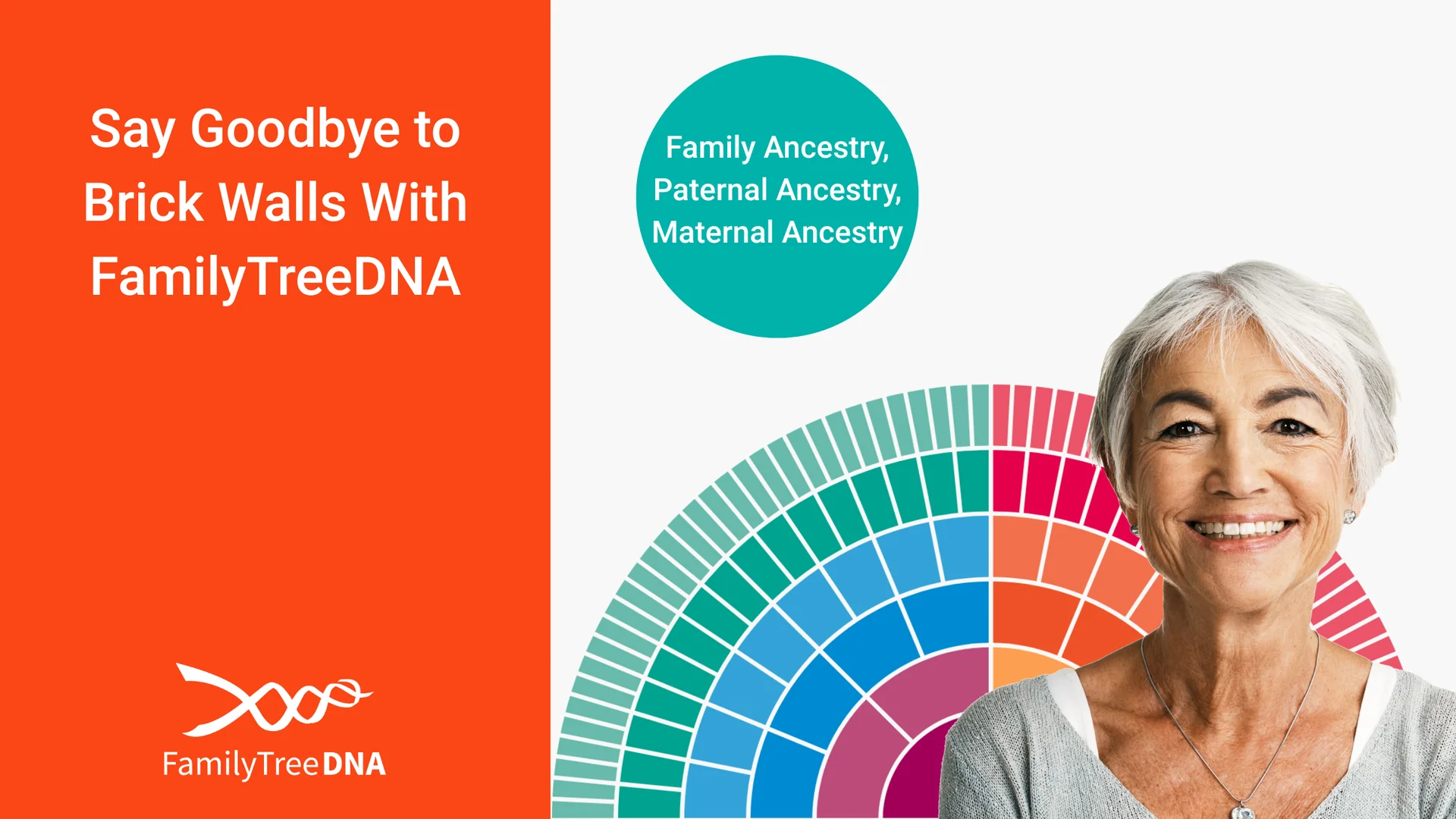
FamilyTreeDNA is a pioneer in consumer DNA testing for genealogy and ancestry research. It offers three core test types: Family Finder (autosomal DNA), which connects users with relatives across both sides of the family within the last five generations; Y-DNA tests, which trace direct paternal lineages and surname origins; and mtDNA tests, which trace direct maternal lineages over 120,000+ years of human migration. As the only provider to operate three separate DNA databases—autosomal, Y-DNA, and mtDNA—FamilyTreeDNA gives genealogists a unique advantage in finding distant relatives and breaking through research brick walls. Users receive detailed haplogroup assignments, ancestral migration maps, ethnicity breakdowns showing the origins of individual DNA segments, and connections to ancient European population groups. The platform also supports integration with WikiTree, a free collaborative global family tree with 42 million+ ancestors, and MyHeritage, enabling DNA results to be linked directly to family trees for richer context. With over 1.2 million genealogists already contributing and 100,000+ customers connected to MyHeritage, FamilyTreeDNA serves hobbyist genealogists, serious family historians, and researchers alike. Pricing ranges from $39 for a Family Finder kit to $449 for the comprehensive Big Y-700 paternal ancestry test.
Key Features
- Three Separate DNA Databases: The only company offering distinct autosomal (Family Finder), Y-DNA, and mtDNA matching databases, enabling unique genealogical connections unavailable elsewhere.
- Maternal & Paternal Line Tracing: mtDNA tests trace maternal lineages over 120,000 years of human migration, while Y-DNA tests pinpoint paternal surname origins and haplogroups in fine detail.
- Ethnicity & Segment Ancestry Breakdown: Family Finder provides a percentage breakdown of ethnic origins and shows which DNA segments come from specific ancestral populations, including ancient European groups.
- WikiTree & MyHeritage Integration: Link DNA results to collaborative family trees on WikiTree (42M+ ancestors) or MyHeritage, making it easy to visualize and share genealogical connections.
- Ancestral Migration Maps: Interactive migration maps show how paternal and maternal lineage ancestors moved across the globe over thousands of years based on haplogroup data.
Use Cases
- Tracing direct paternal or maternal ancestry using Y-DNA or mtDNA tests to identify haplogroups and ancestral migration routes over thousands of years.
- Finding biological relatives and unknown family members within the last five generations using autosomal Family Finder matching.
- Breaking through genealogical brick walls by connecting with distant DNA matches who share specific segments or surname lines.
- Confirming or disproving family oral histories and documented lineages by comparing DNA results with historical records and tree integrations.
- Collaborative family history research by linking results to WikiTree or MyHeritage and contributing to a shared global family tree.
Pros
- Unique Triple-Database Advantage: No other consumer DNA company offers three separate matching databases, giving FamilyTreeDNA users access to genealogical connections competitors cannot provide.
- Deep Paternal & Maternal Line Analysis: Y-DNA and mtDNA tests offer highly refined haplogroup assignments and surname-level matching, ideal for tracing specific ancestral lines across centuries.
- Strong Genealogy Community & Integrations: With 1.2M+ active contributors and integrations with WikiTree and MyHeritage, users benefit from a vibrant collaborative research ecosystem.
Cons
- Higher Cost for Advanced Tests: Comprehensive tests like Big Y-700 cost up to $449, making deep paternal analysis significantly more expensive than competitor offerings.
- Smaller Autosomal Database Than Competitors: Family Finder's autosomal database is smaller than Ancestry DNA or 23andMe, which can mean fewer distant cousin matches for some users.
- Physical Kit Required: All tests require ordering and mailing a physical saliva collection kit, adding wait time compared to digital-only services.
Frequently Asked Questions
What is the difference between Family Finder, Y-DNA, and mtDNA tests?
Family Finder (autosomal DNA) connects you to relatives on both sides of your family within the last 5 generations. Y-DNA tests trace your direct paternal line (father's father's father, etc.) and are only available to genetic males. mtDNA tests trace your direct maternal line (mother's mother's mother, etc.) and are available to everyone.
How accurate are FamilyTreeDNA's ethnicity estimates?
Ethnicity estimates are probabilistic and based on reference populations. FamilyTreeDNA's myOrigins feature provides percentage breakdowns and even shows which specific DNA segments come from particular regions, though estimates can shift as reference panels are updated.
Can I upload DNA from another company to FamilyTreeDNA?
Yes, FamilyTreeDNA allows free uploads of raw DNA data from Ancestry DNA, 23andMe, and MyHeritage to access Family Finder matching, with optional paid upgrades to unlock all features.
How long does it take to receive DNA results?
After the lab receives your sample, results typically take 6–8 weeks, though processing times may vary during high-demand periods.
Does FamilyTreeDNA integrate with family tree software?
Yes. FamilyTreeDNA integrates with WikiTree (a free collaborative global tree) and MyHeritage, allowing you to link your DNA results directly to your family tree and share them with genetic matches.