

About
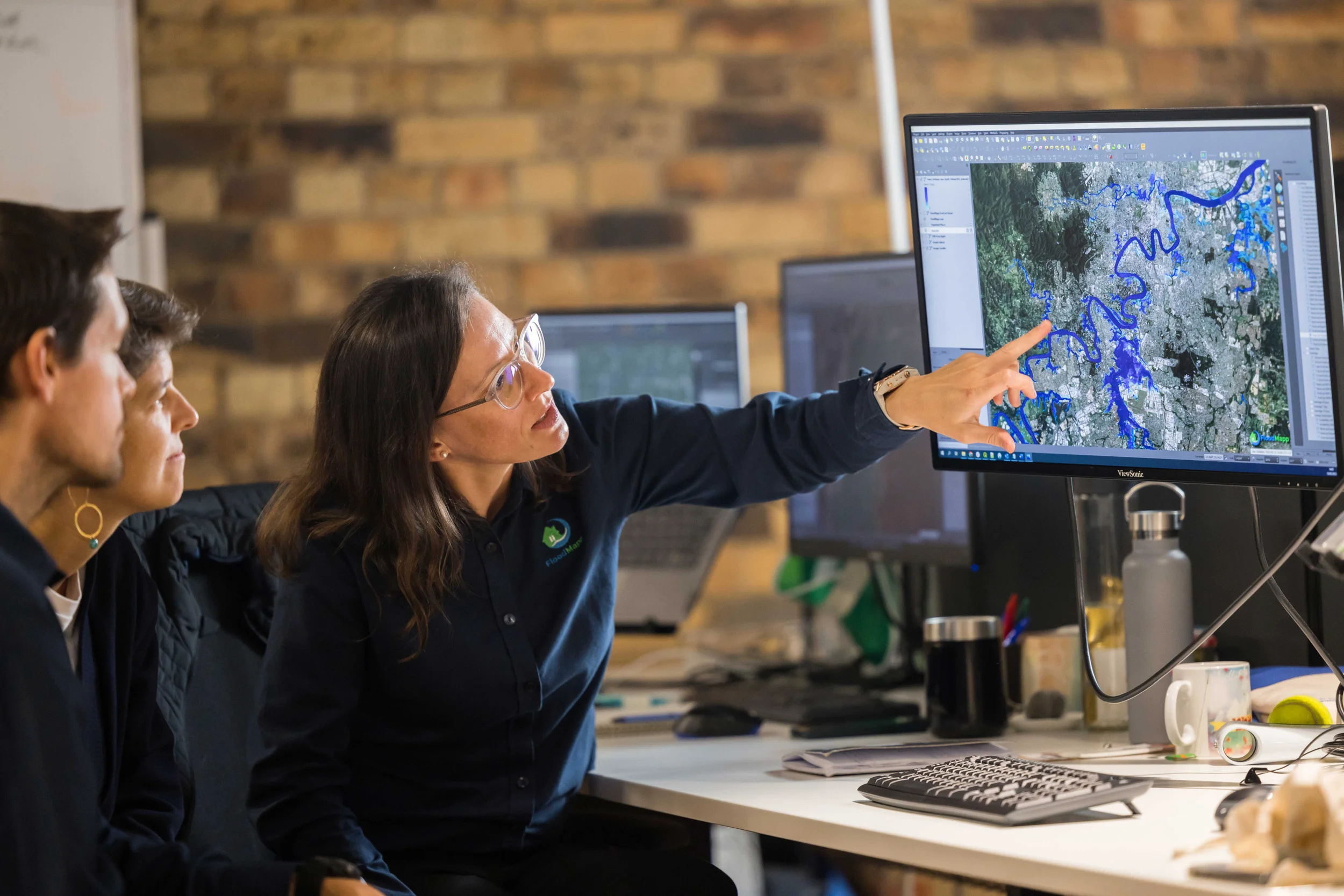
FloodMapp is a purpose-built operational flood forecasting and intelligence platform designed for emergency managers, government agencies, departments of transportation, and utility operators. Using AI-powered hydrology and hydraulics models that run hourly, 24/7/365, FloodMapp ingests real-time rainfall, river and coastal gauge networks, and terrain data to produce 1-meter-resolution flood impact maps before, during, and after flood events. The platform offers three core products—ForeCast, NowCast, and PostCast—bundled into two solution packages: PREPARE and RESPOND. PREPARE empowers agencies to anticipate flood extents and depths, pre-position resources, plan evacuations, alert the public in advance, and identify at-risk assets. RESPOND provides real-time monitoring of affected roads, communities, and infrastructure, along with rapid damage assessment tools that fast-track funding applications and recovery documentation. FloodMapp integrates directly into existing GIS environments such as ESRI via live data feeds, eliminating the need for static flood maps and enabling faster, more defensible decisions when every minute counts. Clients include FEMA, state DOTs, city emergency management offices, utilities such as Eversource, and regional planning commissions. FloodMapp is trusted by partners across public safety, critical infrastructure, and government resilience programs.
Key Features
- 1-Meter Resolution Flood Impact Maps: Produces high-resolution flood forecasts showing exact flood extents and depths at the asset level, enabling targeted resource deployment and evacuation planning.
- AI-Powered Hydrology & Hydraulics Models: Runs hourly, 24/7/365, ingesting real-time rainfall, river gauges, coastal data, and terrain to generate accurate, localized flood predictions before peak events.
- Seamless GIS Integration: Delivers live flood data directly into existing GIS platforms such as ESRI, maintaining current workflows without requiring new tooling or infrastructure.
- PREPARE & RESPOND Solution Packages: Bundled packages combining ForeCast, NowCast, and PostCast products to support the full emergency management lifecycle—from early warning through recovery documentation.
- Post-Event Damage Assessment & Recovery Documentation: PostCast provides rapid damage assessment data to support funding applications and accelerate recovery timelines after flood events.
Use Cases
- Emergency managers use FloodMapp to anticipate flood extents and depths hours before peak, enabling proactive evacuation orders and public alerts based on predictive impact maps.
- Departments of transportation (DOTs) monitor which roads and bridges will be affected by flooding in real time, optimizing road closures and detour planning during active events.
- Utility operators identify which substations, power lines, and critical assets are at risk from flooding before an event, allowing pre-positioning of repair crews and equipment.
- Government agencies use PostCast damage assessment data to document flood impacts and fast-track FEMA funding applications and disaster recovery grants.
- Regional planning commissions leverage high-resolution flood intelligence to conduct defensible risk assessments and integrate flood data into long-term infrastructure resilience planning.
Pros
- Purpose-Built for Emergency Management: Designed specifically for emergency managers and public safety agencies, so the interface, data, and workflows match real operational needs rather than general-purpose GIS tools.
- Live, Localized Data Feed: Hourly AI model runs with real-time gauge and rainfall inputs provide actionable, up-to-date flood intelligence that static flood maps simply cannot deliver.
- End-to-End Flood Lifecycle Coverage: From pre-event forecasting to live monitoring to post-event reporting, FloodMapp covers the entire flood management cycle in one integrated platform.
- Defensible Decision Support: Predictive and live impact data helps agency leaders document and justify decisions around warnings, closures, and resource allocation for accountability and funding.
Cons
- Enterprise Pricing: FloodMapp is positioned as a paid enterprise solution with no apparent free or self-serve tier, which may be a barrier for smaller agencies or municipalities with limited budgets.
- Narrow Use-Case Focus: The platform is exclusively designed for flood intelligence, making it unsuitable for broader natural hazard or multi-hazard emergency management needs.
- Requires Existing GIS Infrastructure: Optimal value depends on an agency already operating a GIS platform like ESRI; organizations without GIS infrastructure may face additional setup overhead.
Frequently Asked Questions
What types of organizations use FloodMapp?
FloodMapp serves emergency management agencies, state and local government departments, departments of transportation (DOTs), utilities, and critical infrastructure operators. Clients include FEMA, city emergency offices, regional planning commissions, and energy utilities.
How does FloodMapp differ from traditional static flood maps?
Unlike static FEMA flood zone maps, FloodMapp generates dynamic, real-time forecasts for each individual flood event—showing where flooding will occur, when it will peak, and exactly how deep it will be, updated hourly using live gauge and rainfall data.
What GIS platforms does FloodMapp integrate with?
FloodMapp is fully interoperable with major GIS platforms, including ESRI (ArcGIS). Data is delivered as a live feed directly into your existing GIS environment, requiring no major workflow changes.
What is the difference between the PREPARE and RESPOND packages?
PREPARE includes ForeCast, NowCast, and PostCast products and is focused on pre-event planning, early warning, and resource pre-positioning. RESPOND includes NowCast and PostCast and is optimized for real-time situational awareness and post-event damage assessment and recovery documentation.
How often are flood forecasts updated?
FloodMapp's AI-powered hydrology and hydraulics models run hourly, 24 hours a day, 7 days a week, 365 days a year, continuously ingesting real-time rainfall, river gauge, coastal gauge, and terrain data.