A
About
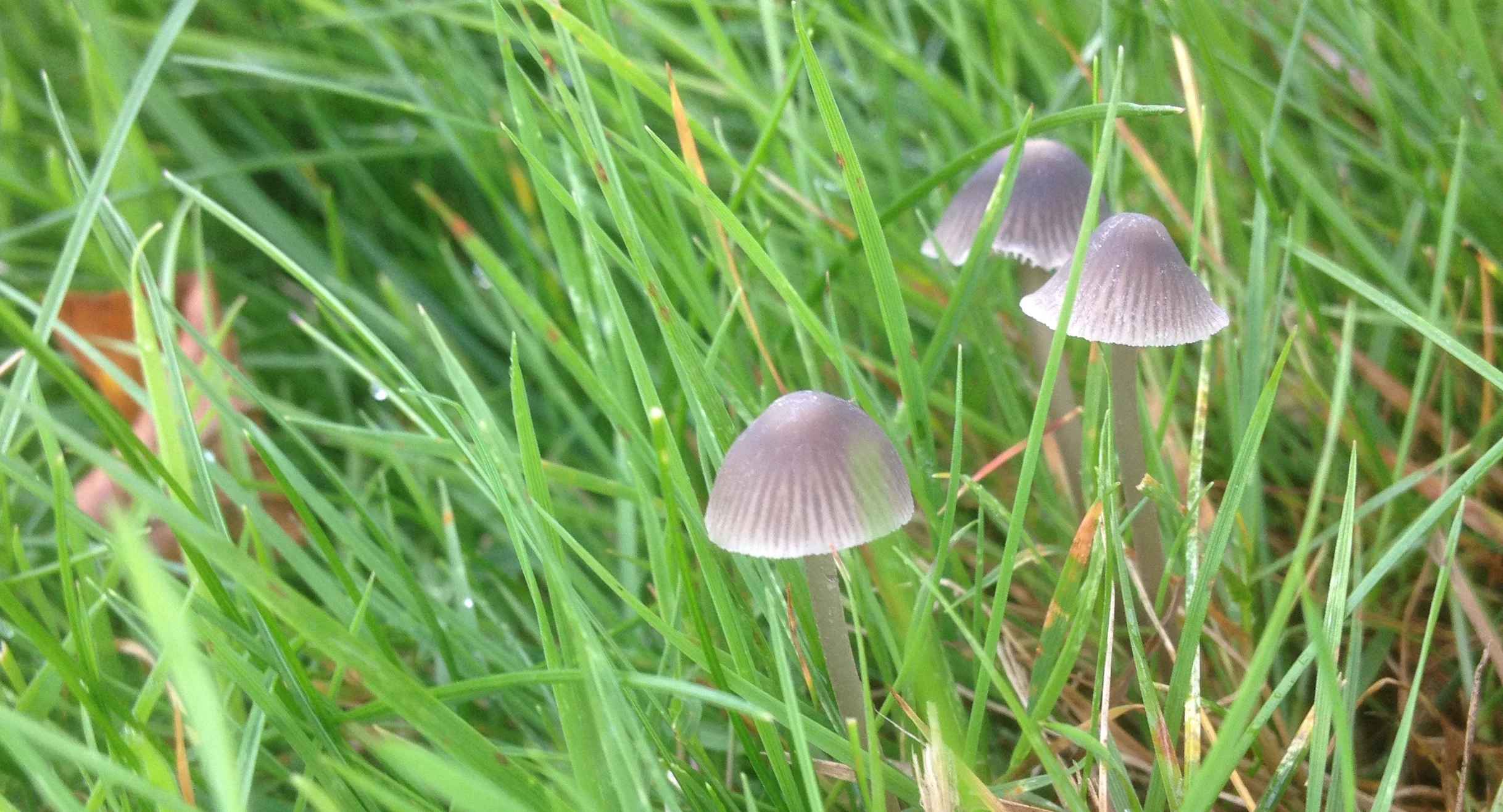
fungAI (fungai.org) is an open-source deep learning project focused on the identification of wild mushroom species from photographs. Inspired by a simple question — 'hey, do you know what mushroom this is?' — the project was built to make mycological identification faster and more accessible for scientists, foragers, and curious nature lovers alike. At its core, fungAI leverages TensorFlow and transfer learning via MobileNet, pre-trained on ImageNet, to classify mushroom images with reasonable accuracy even with limited training data. The model was initially trained to distinguish between 5 types of wild mushrooms and is designed to scale as more labeled data becomes available. The project includes a ReactJS frontend demo that allows users to upload or provide mushroom images and receive species predictions in real time. All source code is publicly available on GitHub, making it a valuable learning resource for developers interested in computer vision, image classification, and TensorFlow-based workflows. fungAI also documents its development journey through blog posts covering topics such as model training, transfer learning techniques, and Tensorflow best practices. It has been featured as an Intel DevMesh project, highlighting its recognition in the broader machine learning community. Ideal users include mycologists, outdoor enthusiasts, citizen scientists, and machine learning developers looking for a practical, real-world computer vision example. Being fully open source, it also serves as an excellent educational reference for AI projects built with TensorFlow and MobileNet.
Key Features
- Image-Based Mushroom Identification: Upload a photo of a wild mushroom and receive an AI-powered species prediction using a trained deep learning model.
- Transfer Learning with MobileNet: Leverages MobileNet pre-trained on ImageNet via TensorFlow, enabling accurate classification even with a relatively small mushroom-specific dataset.
- ReactJS Web Demo: An interactive frontend demo allows users to test the mushroom classifier directly in the browser without any setup required.
- Fully Open Source: All project source code is publicly available on GitHub, making it transparent, forkable, and ideal for learning or extension.
- Educational Blog & Documentation: Accompanying blog posts detail the model training process, TensorFlow workflows, and transfer learning techniques for developers learning computer vision.
Use Cases
- A forager photographing an unknown mushroom in the wild and uploading it to fungAI to get a species prediction before consuming it.
- A citizen scientist contributing to mycological research by using fungAI to help catalog and identify mushroom species observed in the field.
- A machine learning student studying computer vision who uses fungAI's open-source codebase as a hands-on example of transfer learning with TensorFlow.
- A nature educator using fungAI's web demo to demonstrate AI-powered species identification to students during outdoor learning activities.
- A developer forking fungAI on GitHub to build a more comprehensive mushroom or plant identification app using the existing model architecture as a foundation.
Pros
- Completely Free and Open Source: fungAI is available at no cost with all source code on GitHub, making it accessible to anyone and easy to extend or build upon.
- Uses Proven Deep Learning Stack: Built with TensorFlow and MobileNet, it uses well-established, production-grade tools for image classification tasks.
- Beginner-Friendly Web Demo: The ReactJS demo lowers the barrier to entry for non-technical users, allowing instant mushroom identification without coding.
- Great Learning Resource: The blog posts and open codebase serve as a practical, end-to-end example of building an image classifier with TensorFlow and transfer learning.
Cons
- Limited Species Coverage: The initial model was trained on only 5 mushroom species, which may not be sufficient for broad real-world foraging use cases.
- Early-Stage / Infrequently Updated: The project's blog and activity date back to 2017–2018, suggesting limited recent development or maintenance.
- Narrow Domain Focus: fungAI is exclusively designed for mushroom identification and cannot be applied to other plant or wildlife classification tasks out of the box.
Frequently Asked Questions
How does fungAI identify mushrooms?
fungAI uses a deep learning model built with TensorFlow and MobileNet. The model is trained via transfer learning on ImageNet and fine-tuned on a dataset of wild mushroom images to predict species from user-uploaded photos.
Is fungAI free to use?
Yes, fungAI is completely free and open source. All source code is available on GitHub under an open-source license.
How many mushroom species can fungAI identify?
The initial model was trained to classify 5 types of wild mushrooms. As the project evolves, more species can be added by expanding the training dataset.
Can I run fungAI locally?
Yes. Since the full source code is available on GitHub, developers can clone the repository and run the model locally with TensorFlow and the provided setup instructions.
Who is fungAI designed for?
fungAI is designed for mycologists, nature enthusiasts, foragers, and machine learning developers interested in image classification and deep learning with TensorFlow.