
About
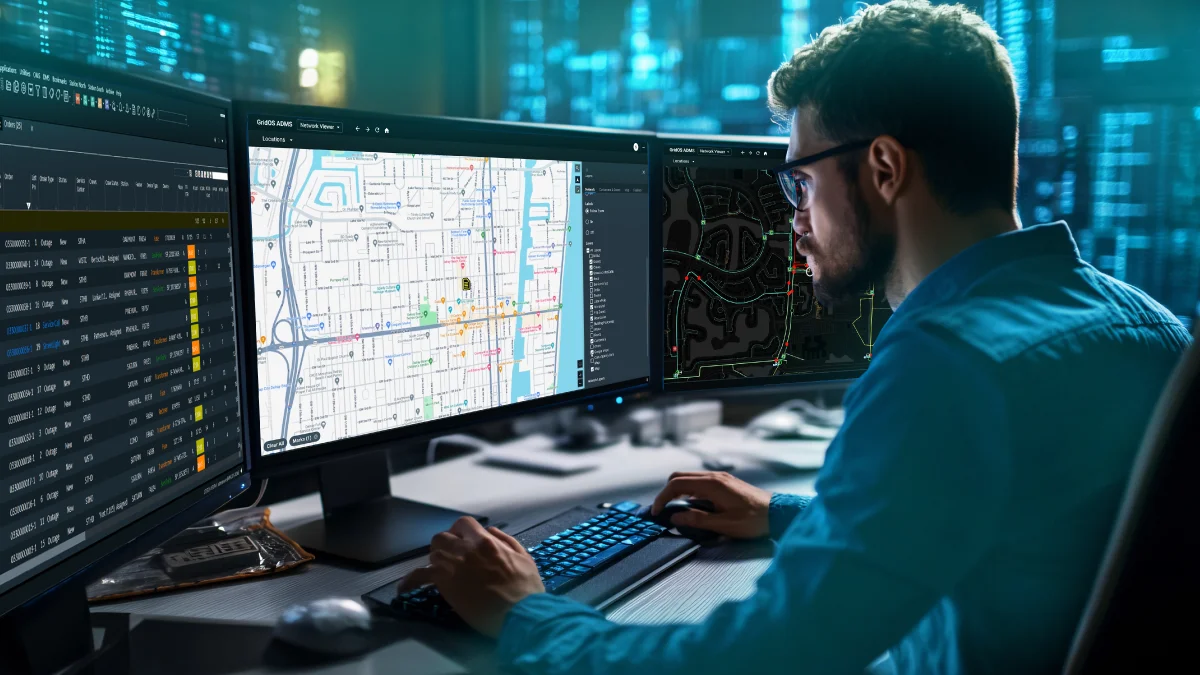
GE Vernova GridOS ADMS is a comprehensive, cloud-capable distribution management platform purpose-built for modern electric utilities navigating the complexities of the energy transition. It goes far beyond traditional SCADA, DMS, or OMS solutions by unifying advanced distribution management capabilities, a robust Outage Management System (OMS), and integrated Distributed Energy Resource (DER) orchestration into a single, scalable platform. GridOS ADMS converts real-time operational data into precise, actionable insights, enabling grid operators to detect, diagnose, and respond to outages faster—customers report up to 19% faster restoration times. Utilities leveraging GE Vernova solutions have avoided over $175M in Interruption Cost Estimates (ICE) annually and reduced Customer Minute Interrupted (CMI) exposure by more than 150 million minutes per year. The system is designed to handle the growing complexity introduced by renewable energy integration, rising electrical loads, and the rapid proliferation of distributed energy resources such as solar, storage, and EVs. Its intelligent orchestration engine continuously balances grid reliability with operational efficiency, giving control room operators the tools they need to manage today's dynamic distribution environment. Ideal for large-scale investor-owned utilities, municipal utilities, and cooperatives, GridOS ADMS supports the full operational lifecycle—from normal grid operations to emergency response and recovery—making it an essential platform for utilities committed to grid modernization.
Key Features
- Integrated Outage Management System (OMS): Built-in OMS accelerates outage detection, crew dispatch, and grid restoration, helping utilities achieve up to 19% faster restoration times compared to industry averages.
- DER Orchestration: Manages the complexity of distributed energy resources—solar, storage, EVs, and more—by integrating DER monitoring and control directly into distribution operations.
- Real-Time Grid Intelligence: Transforms live operational data into actionable insights, enabling operators to proactively manage grid conditions and make data-driven decisions under any weather or load scenario.
- Scalable Distribution Management: Designed to scale from small cooperatives to large investor-owned utilities, supporting millions of endpoints while maintaining high-performance real-time operations.
- Unified SCADA, DMS, and OMS Platform: Consolidates traditionally siloed systems into one cohesive platform, reducing operator complexity and improving situational awareness across the entire distribution network.
Use Cases
- Electric utilities managing large-scale outage events who need real-time situational awareness and automated restoration workflows to minimize customer impact.
- Grid operators integrating high volumes of distributed energy resources (solar, storage, EVs) into the distribution network and requiring unified DER visibility and control.
- Utility control rooms replacing aging SCADA or DMS infrastructure with a modern, scalable platform that supports the full operational lifecycle.
- Utilities seeking to reduce operational costs and improve reliability metrics such as CAIDI and SAIDI through data-driven, AI-assisted grid management.
- Energy transition-focused utilities that need a future-ready platform capable of managing increasing renewables penetration and unpredictable supply-demand dynamics.
Pros
- Proven Cost Avoidance at Scale: Customers have documented over $175M in avoided interruption costs and 150M+ avoided Customer Minute Interrupted annually, demonstrating clear, measurable ROI.
- Comprehensive All-in-One Platform: Combines SCADA, DMS, OMS, and DER management into a single solution, eliminating the need for disparate point systems and reducing integration overhead.
- Resilient Under Extreme Conditions: Purpose-built for reliability even during severe weather events, giving operators the tools to manage complex outage scenarios with confidence.
- Future-Ready for Energy Transition: Native support for renewables, DERs, and growing load diversity positions utilities to adapt as their grids evolve without platform replacement.
Cons
- Enterprise-Only Complexity: GridOS ADMS is designed for large-scale utility deployments and requires significant implementation effort, specialized staff training, and IT infrastructure investment.
- Non-Transparent Pricing: Pricing is not publicly disclosed and must be obtained through GE Vernova's enterprise sales process, making cost estimation difficult without direct engagement.
- Long Deployment Timelines: As a mission-critical enterprise platform, deployment and integration with existing utility systems can take months to years depending on scope and complexity.
Frequently Asked Questions
What is GridOS ADMS and how does it differ from a traditional SCADA or DMS?
GridOS ADMS is a unified platform that surpasses the capabilities of standalone SCADA, DMS, or OMS systems by integrating all three functions—plus DER orchestration—into a single, intelligent distribution management solution with advanced analytics and real-time decision support.
What results have utilities achieved with GridOS ADMS?
GE Vernova customers report up to 19% faster restoration times, avoidance of over 150 million Customer Minutes Interrupted (CMI) annually, and more than $175M in avoided interruption costs in a single year.
Does GridOS ADMS support distributed energy resources (DERs)?
Yes. GridOS ADMS includes integrated DER orchestration capabilities that allow utilities to monitor, manage, and optimize distributed energy resources such as solar generation, battery storage, and electric vehicle charging within the distribution network.
What types of utilities is GridOS ADMS designed for?
GridOS ADMS is designed for electric utilities of all sizes, including large investor-owned utilities, municipal utilities, and cooperatives. Its scalable architecture supports deployments ranging from regional grids to multi-million endpoint networks.
How does GridOS ADMS handle severe weather and outage events?
The platform is purpose-built for resilience, with advanced outage detection, automated fault isolation, and intelligent restoration workflows that accelerate crew dispatch and grid recovery even during extreme weather conditions.