
About
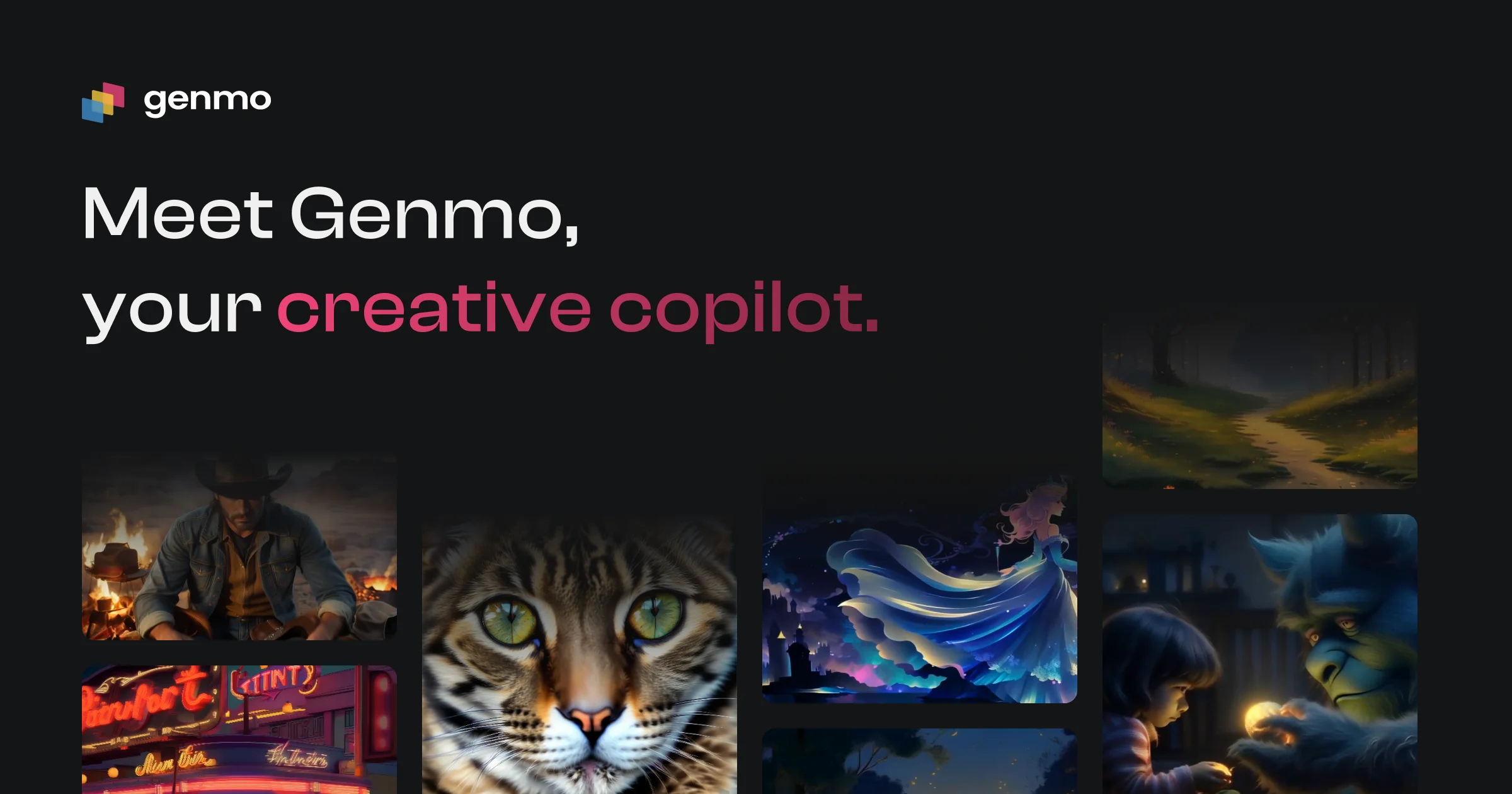
Genmo is an AI research lab on a mission to develop the world's most sophisticated open video generation models, with a focus on helping machines understand the physical world through video. Their flagship release, Mochi 1, is a cutting-edge open-source text-to-video model that converts natural language descriptions into cinematic, high-quality video clips. Mochi 1 sets a new standard for open-source video generation, rivaling proprietary commercial models in quality and motion realism. The model is available on GitHub and HuggingFace, allowing developers and researchers to download, run locally, fine-tune, and contribute to its development. It also supports ComfyUI, making it accessible to non-coders who prefer a node-based workflow. For those who prefer not to set up local infrastructure, Genmo provides an interactive web playground where users can experiment with Mochi 1's capabilities directly in the browser. The platform is especially appealing to content creators, AI researchers, filmmakers, and developers who want full control over a top-tier video generation model without the cost or lock-in of proprietary solutions. Genmo is actively hiring across research, engineering, and design, reflecting its ambition to push the boundaries of generative media and work toward the "right brain" of Artificial General Intelligence (AGI). Whether you're a developer building video pipelines, a researcher studying video world models, or a creator exploring AI-generated visuals, Genmo offers a powerful and flexible foundation.
Key Features
- Mochi 1 Text-to-Video Model: State-of-the-art open-source model that converts natural language prompts into high-quality, cinematic video clips with realistic motion.
- Web Playground: An interactive browser-based playground lets users test Mochi 1's capabilities instantly without any local setup or installation.
- Open-Source & Self-Hostable: Mochi 1 is fully open source on GitHub and HuggingFace, allowing developers to clone, run, and fine-tune the model on their own infrastructure.
- ComfyUI Integration: Supports ComfyUI, enabling node-based visual workflows for users who prefer a no-code or low-code approach to video generation.
- Physical World Modeling: Genmo's research is focused on video world models that understand physical dynamics, going beyond surface-level generation toward true world understanding.
Use Cases
- Content creators generating AI-powered video clips from text prompts for social media, YouTube, or marketing campaigns.
- Developers building video generation pipelines by integrating Mochi 1 into custom applications via its open-source codebase or HuggingFace API.
- AI researchers and academics studying text-to-video models and physical world understanding using a fully open and reproducible model.
- Filmmakers and visual artists prototyping storyboard scenes or creative concepts through rapid AI video generation.
- No-code and low-code users exploring AI video generation through Genmo's web playground or ComfyUI integration without writing any code.
Pros
- Truly Open Source: Mochi 1 is fully open source and free to use, giving developers complete control with no proprietary lock-in or usage fees.
- State-of-the-Art Quality: Mochi 1 achieves top-tier video quality for an open model, offering motion realism and visual fidelity that rivals commercial alternatives.
- Flexible Deployment: Can be used via web playground, run locally, integrated via ComfyUI, or accessed through HuggingFace — suiting a wide range of technical skill levels.
- Active Research Community: Backed by a growing research team and community, with regular model updates and contributions on GitHub.
Cons
- Technical Setup Required for Local Use: Running Mochi 1 locally demands GPU resources and Python environment setup, which may be a barrier for non-technical users.
- Limited Commercial Tooling: Compared to commercial platforms, Genmo currently lacks advanced editing features, templates, or workflow integrations out of the box.
- Early-Stage Platform: As a research-first lab, the product experience is still maturing and may lack the polish or support of established commercial video AI tools.
Frequently Asked Questions
What is Mochi 1?
Mochi 1 is Genmo's flagship open-source text-to-video model. It takes natural language prompts as input and generates high-quality, realistic video clips. It is available on GitHub and HuggingFace under an open license.
Is Genmo free to use?
Yes. Mochi 1 is open source and free to download and run. Genmo also offers a free web playground for users who want to try the model without any local installation.
Can I run Mochi 1 locally?
Yes. You can clone the Mochi 1 repository from GitHub, install the dependencies via pip, and run the model using the provided CLI script. A compatible GPU is recommended for optimal performance.
Does Genmo support ComfyUI?
Yes. Mochi 1 can be integrated with ComfyUI, a popular node-based visual workflow tool, making it accessible to users who prefer a graphical interface over command-line usage.
What makes Genmo different from other video AI tools?
Genmo differentiates itself by focusing on open-source, research-grade video world models rather than closed, commercial products. Their goal is to advance the physical understanding of the world through video generation, positioning Mochi as both a creative and scientific tool.