
About
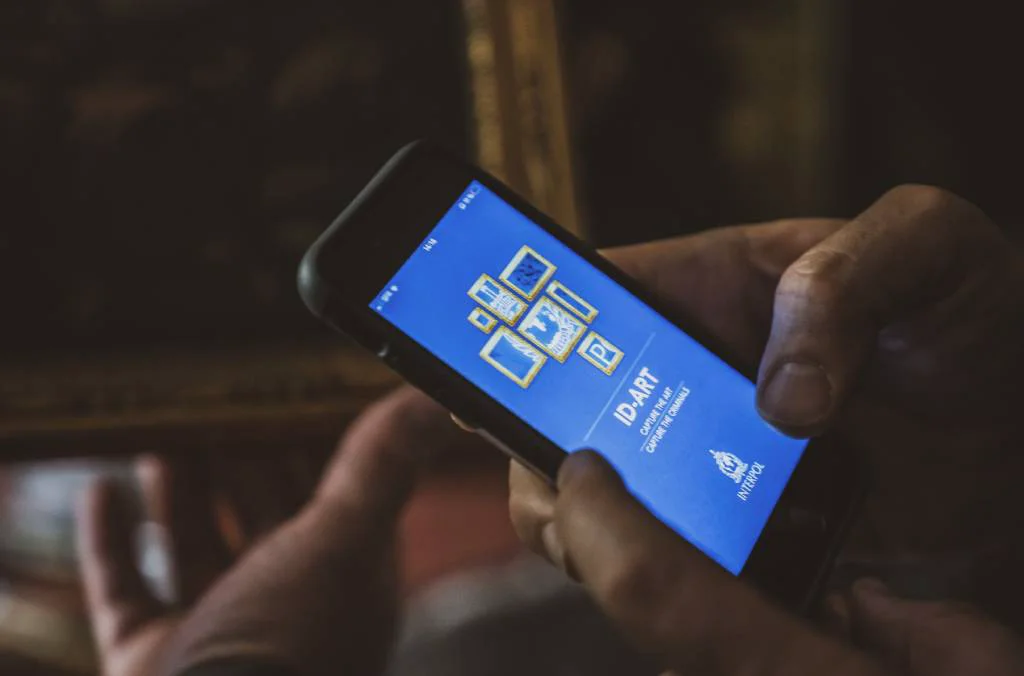
INTERPOL ID-Art is a free, publicly available mobile application developed by INTERPOL to combat illicit trafficking of cultural heritage and stolen art. The app connects users directly to INTERPOL's Stolen Works of Art database—containing nearly 57,000 registered objects—enabling rapid checks on the legitimacy of cultural property anywhere in the world. At the core of ID-Art is an AI-powered image recognition engine. Users can photograph any cultural object and the app will visually match it against the stolen works database in real time, making on-the-spot due diligence faster and more reliable than ever before. Manual search is also supported, allowing filtering by object type, medium, technique, title, artist name, or country of provenance. Beyond search, ID-Art allows users to create a private digital inventory of their art collections in the internationally recognized Object-ID format—the global standard for describing cultural objects to facilitate recovery in the event of theft. Timestamps on saved searches can serve as legal proof of due diligence checks in line with the UNIDROIT convention. The app is designed for a broad audience: law enforcement officers, customs officials, museum curators, auction houses, private collectors, art dealers, journalists, students, and general art enthusiasts. Users can also report potentially stolen items or flag illicit excavations and at-risk cultural heritage sites directly through the app. ID-Art is available free of charge on both iOS and Android, making it an accessible and powerful tool in the global effort to protect our shared cultural heritage.
Key Features
- AI Image Recognition Search: Photograph any cultural object and the app uses cutting-edge image-recognition software to instantly match it against INTERPOL's database of nearly 57,000 stolen works of art.
- Manual Database Search: Search INTERPOL's Stolen Works of Art database manually by entering object type, medium, technique, title, artist name, or country of provenance.
- Private Art Inventory (My Inventory): Create a personal digital catalogue of artworks in the internationally standardized Object-ID format, capturing images and key descriptive features for each piece.
- Stolen Item & Crime Reporting: Report potentially stolen objects directly to INTERPOL and flag cultural heritage sites at risk of illicit excavation or looting from within the app.
- Due Diligence Timestamps: Saved searches are automatically date- and time-stamped, providing legally recognized proof of due diligence in line with the UNIDROIT convention.
Use Cases
- A customs officer at a border checkpoint photographs a suspicious antiquity to instantly verify whether it matches any stolen items registered in INTERPOL's database.
- A private art collector uses the My Inventory feature to document their collection in Object-ID format, ensuring all pieces are catalogued and can be recovered if stolen.
- An auction house representative conducts provenance due diligence on a lot before a sale, saving timestamped search records as documented legal proof of authenticity checks.
- A journalist investigating art trafficking uses the app to cross-reference artifacts discovered at a suspected smuggling operation against the INTERPOL stolen works database.
- A student studying art history or cultural heritage uses the app to learn about at-risk artifacts and explore INTERPOL's database as part of academic research.
Pros
- Completely Free: Available at no cost for both iOS and Android, making professional-grade art authentication accessible to anyone worldwide.
- Backed by INTERPOL's Global Database: Direct access to nearly 57,000 registered stolen objects in INTERPOL's authoritative Stolen Works of Art database ensures reliable and official results.
- Dual Search Modes: Supports both AI-powered visual search via photo and traditional manual search, catering to different use cases and levels of technical familiarity.
- Legal Due Diligence Support: Timestamped search records can serve as documented proof of provenance checks, offering legal protection for collectors and dealers.
Cons
- Limited to Cultural Heritage: The app is highly specialized for stolen art and cultural property; it has no utility for general-purpose AI tasks or other categories of stolen goods.
- Database Coverage Constraints: Image recognition and search results are only as comprehensive as what has been formally registered in INTERPOL's database, meaning unregistered stolen items will not appear.
- Mobile-Only Platform: The app is exclusively available on iOS and Android with no web or desktop interface, which may limit use in certain professional workflows.
Frequently Asked Questions
Who can use the ID-Art app?
ID-Art is publicly available to anyone. It is designed for police officers, customs officials, museum curators, auction house representatives, private collectors, art dealers, journalists, students, and general art enthusiasts.
How does the visual search feature work?
Users take a photo of a cultural object using their phone camera. The app's AI-powered image-recognition engine then compares the photo against items registered in INTERPOL's Stolen Works of Art database and returns potential matches.
Is the ID-Art app free to download and use?
Yes, ID-Art is completely free of charge and available for download on both Apple iOS and Android devices.
Can I use the app to prove I checked if artwork was stolen?
Yes. The app automatically saves your searches with a date and time stamp, which can be used as legal proof that due diligence checks were carried out, in compliance with the UNIDROIT convention on stolen cultural property.
How can I report a stolen artwork through the app?
If your manual or visual search matches an object, or if you discover a potentially stolen item or at-risk cultural site, the app provides a direct reporting mechanism to submit the information to INTERPOL for investigation.