
About
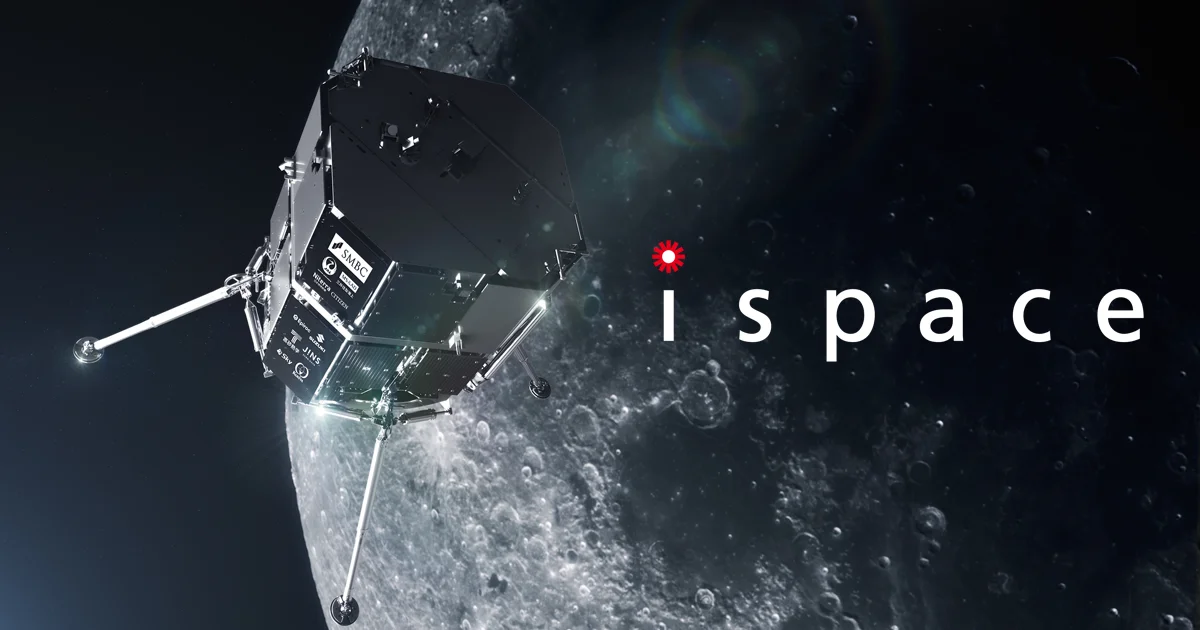
ispace is a private lunar robotic exploration company with a bold vision: to extend human presence into outer space by unlocking the Moon's untapped water resources. The company develops micro-robotic lander and rover technology designed to offer low-cost, high-frequency transportation services to and on the lunar surface. At the core of ispace's mission is in-situ resource utilization (ISRU) — the ability to map, extract, and process lunar water ice, which can be broken down into hydrogen and oxygen to produce rocket fuel. This capability is foundational to building a sustainable space-based economy and reducing the cost of deep-space missions. ispace operates globally with offices in Japan, Europe, and the United States. The company has flown lunar missions under its HAKUTO-R program and continues to secure payload service agreements with research institutions, government agencies, and commercial partners worldwide. Notable collaborators include NASA's CLPS program, JAXA, MBRSC, and most recently Saudi Arabia's KACST and Japan's Shimizu Corporation. Looking toward 2040, ispace envisions the Moon supporting a population of 1,000 residents and 10,000 annual visitors, with lunar infrastructure enabling industries spanning energy, construction, communications, agriculture, medicine, and tourism. ispace's commercial lunar transportation and resource services are designed to be the backbone of this emerging cislunar economy.
Key Features
- Lunar Lander & Rover Technology: Proprietary micro-robotic landers and rovers engineered for reliable, low-cost delivery of payloads to and across the lunar surface.
- Payload Transportation Services: Commercial payload service agreements allow government agencies and private companies to send instruments, experiments, and rovers to the Moon.
- Lunar Resource Mapping (ISRU): Advanced surface exploration capabilities to map, locate, and process lunar water ice for conversion into hydrogen-oxygen rocket propellant.
- Cislunar Economy Infrastructure: Building the foundational transportation and resource layer to support long-term human habitation and industry on and around the Moon.
- Global Partnership Network: Collaborations with NASA (CLPS), JAXA, MBRSC, KACST, and leading aerospace firms to accelerate lunar mission cadence and capability.
Use Cases
- Government space agencies delivering scientific instruments and experiments to the lunar surface via ispace's payload transportation services.
- Commercial companies commissioning lunar rover deployment for prospecting, mapping, or demonstrating surface operations.
- Research institutions partnering with ispace to conduct in-situ resource utilization (ISRU) experiments using lunar water ice.
- Aerospace firms using ispace's cislunar logistics infrastructure to test technologies for future crewed lunar missions.
- National space programs establishing lunar presence and strategic resource claims through ispace's cost-effective lander platform.
Pros
- Pioneer in Commercial Lunar Access: One of the few private companies with demonstrated lunar mission experience, offering a credible, flight-proven pathway to the Moon for commercial customers.
- Strong Institutional Partnerships: Backed by agreements with NASA, JAXA, MBRSC, and other agencies, providing mission credibility, technical support, and revenue diversification.
- Long-Term Vision & Market Positioning: A clear roadmap toward in-situ resource utilization positions ispace at the center of the emerging multi-billion-dollar cislunar economy.
Cons
- High-Risk Operating Environment: Lunar missions involve extreme technical and financial risk; mission failures can significantly impact timelines, investor confidence, and revenue.
- Not Accessible to General Public: Services are exclusively B2B and government-facing, making ispace irrelevant to individual consumers or small organizations.
- Long Development & Revenue Cycles: Space missions take years to plan and execute, resulting in slow revenue realization and extended periods of capital burn.
Frequently Asked Questions
What does ispace do?
ispace is a private lunar exploration company that develops robotic landers and rovers to provide commercial payload transportation services to the Moon, and to map and process lunar resources such as water ice.
Who are ispace's customers?
ispace's customers include government space agencies (e.g., NASA, JAXA, MBRSC, KACST), research institutions, and private companies that want to send payloads, instruments, or rovers to the lunar surface.
What is the HAKUTO-R program?
HAKUTO-R is ispace's commercial lunar exploration program, under which the company has launched and continues to plan lunar landing missions using its proprietary lander and rover technology.
Why does ispace focus on lunar water resources?
Lunar water ice can be electrolyzed into hydrogen and oxygen to produce rocket propellant in space, dramatically reducing the cost of deep-space travel. ispace sees this as the cornerstone of a self-sustaining cislunar economy.
Where does ispace operate?
ispace has offices in Japan, Europe, and the United States, and collaborates with international partners across government and private sectors to advance its global lunar exploration missions.