

About
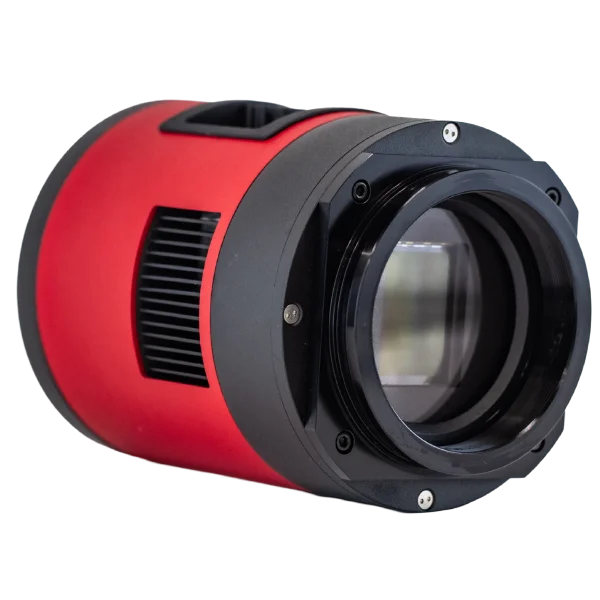
MaxIm DL is a comprehensive astronomy imaging software suite developed by Diffraction Limited, designed for both amateur astronomers and professional researchers operating dark-sky observatories and academic institutions. The software supports a wide range of CMOS and CCD cameras, including SBIG Aluma series research-grade instruments, enabling seamless image acquisition from single or multiple cameras simultaneously. MaxIm DL 7 introduces an optimized 64-bit processing engine capable of handling the massive image files produced by modern high-resolution sensors. Its interface is tailored for night-vision use, featuring dark-mode design elements that preserve the astronomer's dark adaptation during observing sessions. Key capabilities include automated telescope pointing correction, which improves aiming accuracy across the sky; multiple camera synchronization for coordinating complex multi-instrument setups; and deep integration with observatory automation hardware such as dome control systems and adaptive optics. The software also offers photometry, astrometry, and color processing tools for scientific analysis. MaxIm DL is used across a broad spectrum of applications including deep-sky astrophotography, variable star monitoring, exoplanet transit detection, asteroid tracking, and research-grade scientific imaging. It connects with observatory control systems and supports a wide ecosystem of ASCOM-compatible equipment, making it an end-to-end solution for both imaging and observatory management. It is the go-to choice for universities, private observatories, and serious enthusiasts who demand professional-grade results.
Key Features
- 64-bit Advanced Image Processing: Handles the largest image files from today's high-resolution CMOS and CCD cameras with fast, memory-efficient 64-bit processing.
- Telescope Pointing Correction: Automated pointing model generation and correction ensures accurate telescope alignment across the entire sky.
- Multiple Camera Synchronization: Coordinate and synchronize imaging across several cameras simultaneously for complex multi-instrument observing setups.
- Observatory Automation: Integrates with dome control, adaptive optics, filter wheels, and guiding hardware for fully automated, unattended observatory operation.
- Night-Vision Optimized Interface: Dark-mode UI designed to preserve the astronomer's natural night vision during extended observing sessions at the eyepiece.
Use Cases
- Deep-sky astrophotography from private dark-sky observatories using research-grade CMOS or CCD cameras.
- Scientific imaging at universities and colleges for student research projects and professional photometric studies.
- Variable star and exoplanet transit monitoring requiring precise photometry and long unattended imaging sequences.
- Asteroid and near-Earth object tracking campaigns with multi-camera synchronization and automated pointing correction.
- Fully automated remote observatory operation including dome control, guiding, and image calibration pipelines.
Pros
- Industry-Standard Reliability: Trusted by the world's leading astronomers, universities, and scientific institutions, making it the benchmark for professional astronomical imaging.
- Broad Hardware Compatibility: Supports a wide range of ASCOM-compatible cameras, mounts, filter wheels, and observatory hardware from most major manufacturers.
- End-to-End Workflow: Covers the entire imaging pipeline from acquisition and guiding to calibration, stacking, and scientific analysis in a single application.
Cons
- Windows Only: MaxIm DL is exclusively available for Windows, limiting users who operate macOS or Linux-based observatory systems.
- Premium Pricing: As professional-grade software, the cost may be prohibitive for casual hobbyists or those just starting out in astrophotography.
- Steep Learning Curve: The breadth of features and technical depth can be overwhelming for newcomers without prior experience in scientific imaging software.
Frequently Asked Questions
What is MaxIm DL used for?
MaxIm DL is used for astronomical image acquisition, processing, and observatory automation. It supports tasks like deep-sky imaging, photometry, astrometry, telescope control, guiding, and dome automation.
What cameras are compatible with MaxIm DL?
MaxIm DL supports a broad range of CMOS and CCD cameras, including the full SBIG Aluma series and many other ASCOM-compatible scientific and consumer astronomy cameras.
What's new in MaxIm DL 7?
MaxIm DL 7 introduces 64-bit processing for handling large modern sensor images, an optimized night-vision-friendly interface, and performance improvements for today's highest-resolution cameras.
Is MaxIm DL suitable for beginners?
MaxIm DL is primarily aimed at serious amateur astronomers, researchers, and professionals. Beginners can learn it, but its depth of features means there is a significant learning curve compared to entry-level software.
Does MaxIm DL support fully automated observatory operation?
Yes. MaxIm DL integrates with observatory automation hardware including dome control systems, adaptive optics, guide cameras, and filter wheels, enabling fully automated and unattended imaging runs.