

About
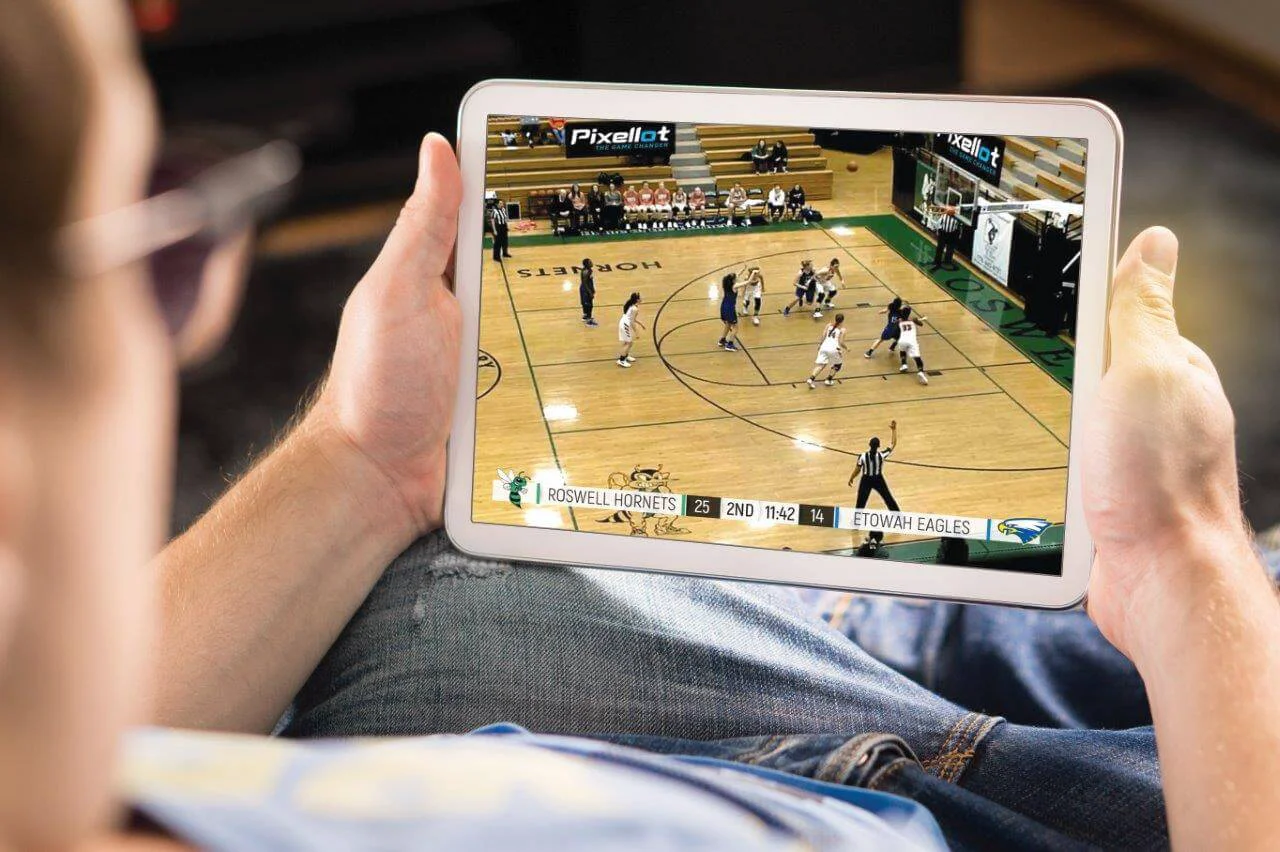
Pixellot is the world's largest AI-automated sports production platform, enabling organizations to capture, produce, stream, analyze, and monetize live sports content with no camera crew required. Its proprietary AI camera systems automatically follow the action across 19 sport types — including soccer, basketball, baseball, ice hockey, volleyball, and more — delivering broadcast-quality video at a fraction of traditional production costs. At the core of Pixellot's offering is its Camera-as-a-Service model, which allows sports venues and media companies to deploy hardware and software as a unified subscription. The platform covers the full value chain: the Pixellot Show S3 and Air cameras handle automated production; the Pixellot OTT platform provides a white-label streaming experience with customizable UI/UX for fan engagement; and VidSwap powers game breakdown, analytics, and coaching tools. Automatic Highlights removes the need for manual video editing, generating shareable moments immediately after games. For monetization, Pixellot supports ad insertion, subscription paywalls, and sponsor integrations, creating new revenue streams for leagues, schools, and rights holders. With over 5 million total games broadcast, 163,000+ games streamed per month, and clients including FIBA, major football federations, Olympique Lyonnais, Sportradar, and thousands of high schools and colleges, Pixellot is built for organizations at every level of sport.
Key Features
- AI-Automated Camera Production: Pixellot's cameras use AI to autonomously follow the action across 19 sport types, delivering broadcast-quality video without any camera operators or production staff on-site.
- White-Label OTT Streaming Platform: The Pixellot OTT platform lets organizations publish streams under their own brand with a fully customizable UI/UX, supporting fan engagement, pay-per-view, and subscription models.
- Sports Analytics & Video Breakdown: VidSwap provides coaches, trainers, and analysts with in-depth game breakdown, performance tracking, and data insights to drive training and strategic decisions.
- Automatic Highlights Generation: AI-driven highlight clips are generated automatically after every game, expanding content reach with zero manual effort from the organization.
- Monetization & Revenue Tools: Built-in tools for ad insertion, sponsorship integrations, and subscriber management allow sports organizations to unlock new revenue streams from their content.
Use Cases
- High schools and colleges broadcasting all home and away sporting events to fans, families, and alumni without hiring a production crew.
- Youth sports leagues streaming games so parents who can't attend in person can watch live, and so college recruiters can review footage remotely.
- Professional clubs and national federations building scalable OTT streaming channels to monetize content through subscriptions and advertising.
- Coaches and performance analysts using Pixellot's video breakdown tools to review game footage, identify weaknesses, and design targeted training sessions.
- Broadcasters and media distributors leveraging Pixellot's automated production infrastructure to expand live sports coverage across multiple venues simultaneously.
Pros
- Fully Staffless Broadcasting: The AI camera system requires no camera operators or production crew, dramatically reducing operational costs for venues and leagues of all sizes.
- Broad Sport Coverage: Supports 19 different sports — from soccer and basketball to lacrosse and handball — making it versatile for multi-sport facilities and federations.
- Proven at Global Scale: With 5M+ games broadcast and deployments across 80 countries, the platform has a well-tested, reliable infrastructure trusted by elite federations and grassroots clubs alike.
- End-to-End Solution: Covers the entire sports content lifecycle — capture, production, streaming, analytics, and monetization — eliminating the need for multiple third-party vendors.
Cons
- Hardware Dependency: The platform requires proprietary Pixellot cameras, meaning organizations must commit to specific hardware that may involve installation and logistical overhead.
- Enterprise-Oriented Pricing: The Camera-as-a-Service subscription model is designed for organizations rather than individuals, making it cost-prohibitive for very small clubs or one-off events.
- Limited DIY Customization: Because production is fully automated, organizations have limited control over camera angles or editorial decisions compared to a traditional manned broadcast setup.
Frequently Asked Questions
Which sports does Pixellot support?
Pixellot supports 19 sport types including soccer, basketball, ice hockey, field hockey, baseball, softball, American football, rugby, lacrosse, volleyball, and handball, among others.
Do I need camera operators or production staff to use Pixellot?
No. Pixellot's AI-automated technology handles all camera operation and production automatically, requiring no on-site staff to capture and stream games.
What is the Camera-as-a-Service model?
Pixellot's Camera-as-a-Service model bundles the hardware, software, and platform into a subscription, allowing sports organizations and media companies to access the full production ecosystem without large upfront capital expenditure.
Can I monetize streams through Pixellot?
Yes. Pixellot's OTT platform supports multiple monetization models including pay-per-view, subscription paywalls, and ad insertion, helping organizations generate revenue from their live and on-demand content.
How does Pixellot's analytics platform work?
Pixellot's VidSwap analytics tool allows coaches and trainers to break down game footage, track player and team performance metrics, and create data-driven training programs — all from within the Pixellot ecosystem.