
About
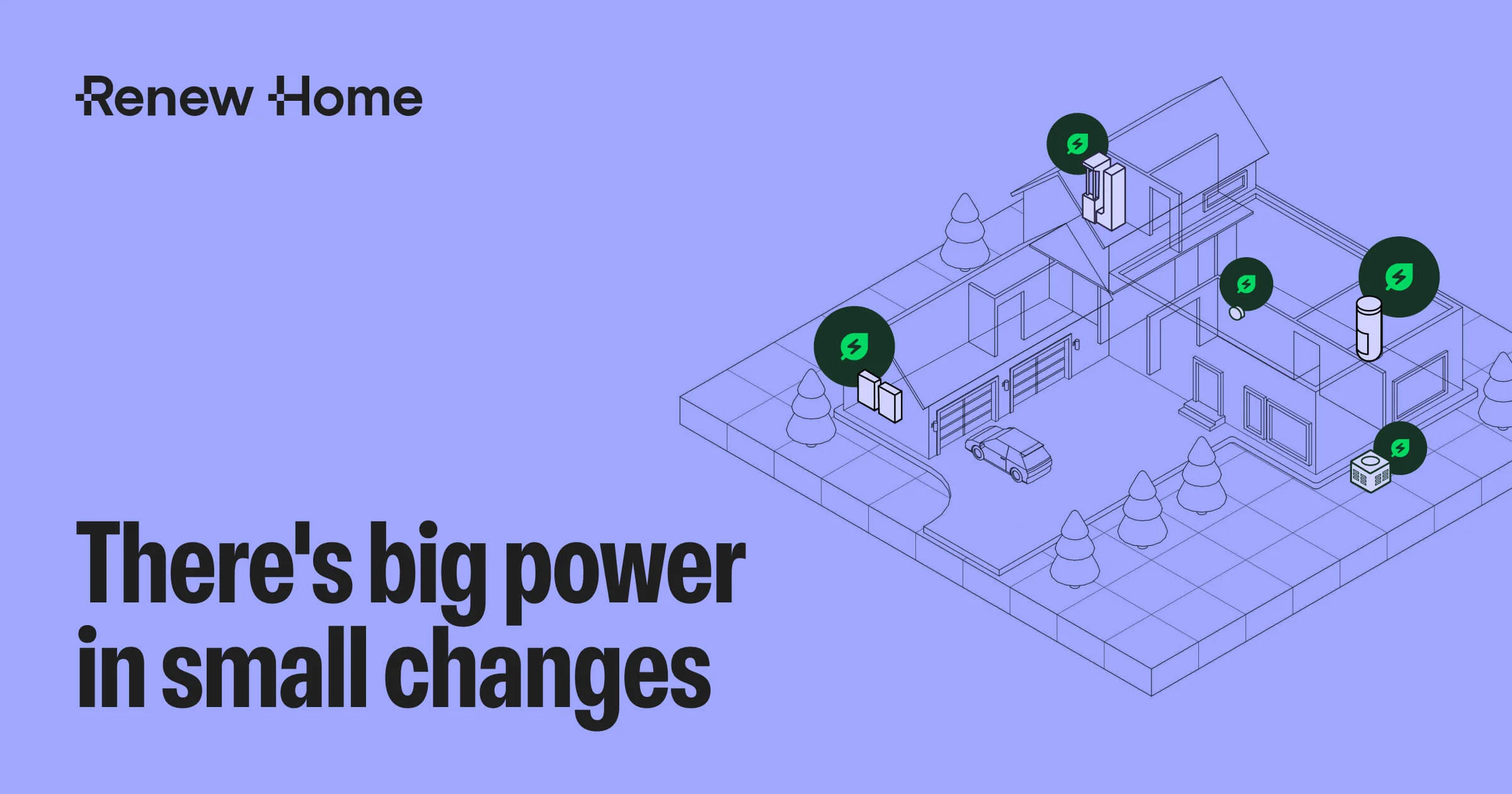
Renew Home (formed by the merger of Google Nest Renew and OhmConnect) is an AI-driven home energy management platform designed to help millions of households save on energy costs while supporting grid stability through virtual power plant (VPP) technology. By embedding energy-smart features directly into connected home device experiences — starting with smart thermostats — Renew Home intelligently shifts energy usage to moments when electricity is cheaper, cleaner, or when the grid is less stressed, all without requiring action from the homeowner. For homeowners, features like Energy Shift work automatically in the background, with full transparency through savings tracking dashboards. The service is available at no additional cost to consumers. For energy providers and utilities, Renew Home delivers gigawatts of demand-response capacity using existing customer infrastructure — a cost-effective alternative to building new generation assets. For device manufacturers, it offers an SDK-style integration path to embed energy intelligence into their products. Renew Home estimates that if smart thermostats were installed in every eligible US home and connected to a platform like theirs, Americans could collectively save over $10 billion per year. The platform is backed by research spanning 25 million energy shifts and has been recognized by Fast Company as one of the most innovative energy companies of 2026. It is an ideal solution for utility companies, smart home device makers, and eco-conscious homeowners looking to reduce their energy bills with zero friction.
Key Features
- Automatic Energy Shifting: Intelligently adjusts connected devices to use energy during cheaper, cleaner, or lower-demand grid periods — no manual input required from the homeowner.
- Smart Thermostat Integration: Deep integration with smart thermostats (including Google Nest) to optimize heating and cooling schedules based on real-time energy pricing and grid conditions.
- Savings Tracking Dashboard: Homeowners can monitor their Energy Shifts and cumulative savings over time through an intuitive tracking interface.
- Virtual Power Plant (VPP) Network: Aggregates millions of participating homes into a reliable, scalable demand-response resource that energy providers can dispatch to balance grid load.
- Multi-Stakeholder Platform: Serves homeowners, energy utilities, and device manufacturers through tailored integrations, APIs, and white-label energy intelligence features.
Use Cases
- A homeowner with a Google Nest thermostat enrolls in Renew Home to automatically lower heating costs by shifting energy usage to off-peak hours.
- A regional utility deploys Renew Home's VPP platform to recruit thousands of residential smart thermostat users as a demand-response resource, reducing the need for expensive peaker plants.
- A smart home device manufacturer integrates Renew Home's SDK to add energy-optimization intelligence to their thermostat product line, differentiating with built-in savings features.
- An environmentally conscious household uses Renew Home to ensure their devices prioritize running on cleaner, renewable energy during high-supply periods.
- An energy policy researcher uses Renew Home's aggregated data and white papers to model the potential national impact of widespread residential VPP adoption.
Pros
- No Cost to Homeowners: The energy-saving features are available at no additional charge to consumers, making adoption frictionless and accessible.
- Fully Automated Savings: Works silently in the background, requiring zero ongoing effort from users while still delivering measurable savings and environmental impact.
- Massive Collective Impact: Aggregates small individual energy shifts across millions of homes, creating gigawatts of grid capacity and billions in potential national savings.
- Industry Recognition: Named one of Fast Company's most innovative energy companies of 2026, with credibility backed by major partners like Google Nest.
Cons
- Requires Compatible Smart Devices: Full benefits depend on owning supported connected devices like smart thermostats, limiting immediate value for homes without existing smart hardware.
- Some Features Still in Development: Several platform features are noted as being in development and subject to change, with planned availability later in 2025.
- Limited Device Coverage at Launch: Currently focused primarily on smart thermostats, with broader device category support still being expanded.
Frequently Asked Questions
How does Renew Home save me money on energy?
Renew Home automatically shifts when your connected devices (like smart thermostats) use energy to times when electricity is cheaper or cleaner. These shifts happen in the background, and you can track your savings over time through the platform dashboard.
Is Renew Home free for homeowners?
Yes, Renew Home's energy-saving features are available to homeowners at no additional cost. The platform generates value for energy providers and device partners, which funds the consumer-facing offering.
What is a Virtual Power Plant (VPP)?
A VPP is a network of distributed home devices that can collectively reduce or shift energy demand on command, acting like a large power plant in reverse. Renew Home connects millions of homes to create this grid resource for energy providers.
What devices does Renew Home support?
Renew Home currently focuses on smart thermostats, including Google Nest devices. The platform plans to expand to additional connected home devices over time.
How does Renew Home benefit energy providers?
Energy providers gain access to a reliable, scalable demand-response resource — gigawatts of capacity sourced from participating homes — without building new infrastructure. This helps them balance grid load during peak demand events cost-effectively.