

About
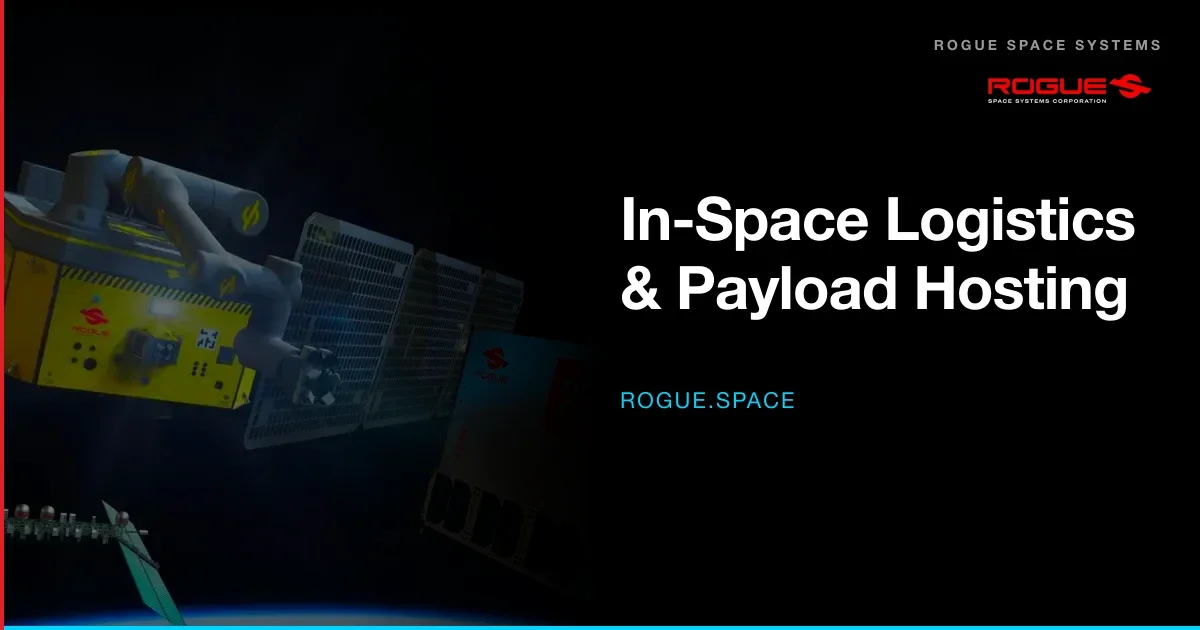
Rogue Space Systems is building the intelligent infrastructure layer for the orbital economy. The company designs, manufactures, and flies Orbots — autonomous, situationally aware spacecraft capable of proximity operations, payload hosting, multi-spectral inspection, in-space compute, and last-mile orbital logistics. Their flagship service, Payload Hosting, allows customers to fly hardware or software payloads on flight-proven Orbots with rapid integration and full mission support. The Inspection & Space Domain Awareness capability delivers close-proximity imaging and multi-spectral characterization of resident space objects (RSOs), supporting satellite health assessment and on-orbit situational awareness. In-Space Logistics covers orbital transfer, cargo delivery, and supply-chain support for the growing space economy. A key emerging capability is the Orbital Data Center platform — powered by the Scalable Compute Platform (SCP) — which enables edge processing and hosted workloads directly in orbit, reducing latency and downlink bottlenecks for data-intensive space missions. With two missions flown (Barry-1 in 2023 and OTP-2 in 2025) and upcoming missions including OTP-2B, Orbot-1 & 2, and Orbot-3, Rogue is rapidly scaling its fleet. The company's AI-enabled autonomy stack underpins all spacecraft operations, enabling real-time situational awareness and mission flexibility. Rogue serves satellite operators, defense organizations, research institutions, and commercial space ventures looking for affordable, scalable orbital services.
Key Features
- Payload Hosting on Orbots: Fly hardware or software payloads on flight-proven autonomous spacecraft with rapid integration timelines and full mission support from launch to end-of-mission.
- Inspection & Space Domain Awareness: Close-proximity imaging and multi-spectral, multi-phenomenological characterization of resident space objects for satellite health assessment and situational awareness.
- In-Space Logistics: Last-mile orbital cargo delivery, orbital transfer services, and supply-chain support enabling scalable commerce and operations in Earth orbit.
- Orbital Data Centers (Scalable Compute Platform): AI-enabled edge processing and hosted computational workloads performed directly in orbit, reducing data downlink requirements and enabling real-time space analytics.
- Autonomous Orbot Fleet: Reusable, situationally aware spacecraft designed for proximity operations across LEO, with an expanding fleet of missions planned through 2028.
Use Cases
- Hosting experimental scientific or commercial hardware payloads in LEO without building a dedicated satellite
- Conducting proximity inspection and health assessment of aging or unresponsive satellites for operators and insurers
- Running AI and data processing workloads at the orbital edge to reduce latency and satellite downlink costs
- Supporting space domain awareness missions requiring multi-spectral characterization of resident space objects
- Executing last-mile orbital cargo delivery and logistics for in-space stations or constellation replenishment
Pros
- Flight-Proven Technology: With Barry-1 (2023) and OTP-2 (2025) already flown, Rogue offers validated orbital infrastructure rather than unproven concepts, reducing mission risk for customers.
- End-to-End Orbital Services: A single provider covers payload hosting, inspection, logistics, and in-space compute, simplifying procurement and integration for space mission operators.
- AI-Native Autonomy: All Orbots are built with onboard AI and edge computing capabilities, enabling intelligent, responsive mission execution without constant ground intervention.
Cons
- Highly Specialized Market: Services are exclusively relevant to aerospace companies, satellite operators, defense organizations, and research institutions — not applicable to general software or AI tool users.
- Enterprise-Level Cost: In-space logistics and payload hosting represent significant capital expenditure, placing services out of reach for early-stage startups or individual researchers without substantial funding.
- Limited Fleet Capacity Today: With only two missions flown so far, current booking capacity is constrained; broader fleet availability depends on successful upcoming missions through 2027–2028.
Frequently Asked Questions
What are Orbots?
Orbots are Rogue Space Systems' autonomous orbital robots — reusable, situationally aware spacecraft designed to perform proximity operations, host payloads, inspect satellites, deliver cargo, and run edge computing workloads in orbit.
How do I book payload hosting on an Orbot mission?
You can book payload hosting directly through the Rogue Space Systems website at rogue.space. The team provides rapid integration support and full mission services from payload delivery through on-orbit operations.
What missions has Rogue Space Systems completed?
Rogue has flown two missions: Barry-1 (completed November 2023), which validated onboard edge computing and optical sensing technology, and OTP-2 (launched March 2025), which is currently active in orbit. Upcoming missions include OTP-2B (2026), Orbot-1 & Orbot-2 (2027), and Orbot-3 (2028).
What is the Scalable Compute Platform (SCP)?
The Scalable Compute Platform is Rogue's proprietary in-space computing infrastructure that powers their Orbital Data Center capability, enabling AI orchestration, edge processing, and hosted software workloads to run directly aboard Orbots in orbit.
What orbits do Rogue Space Systems missions operate in?
Current and planned Orbot missions operate in Low Earth Orbit (LEO). The company's space domain awareness and inspection capabilities are designed to characterize RSOs (resident space objects) across a range of orbital regimes.