

About
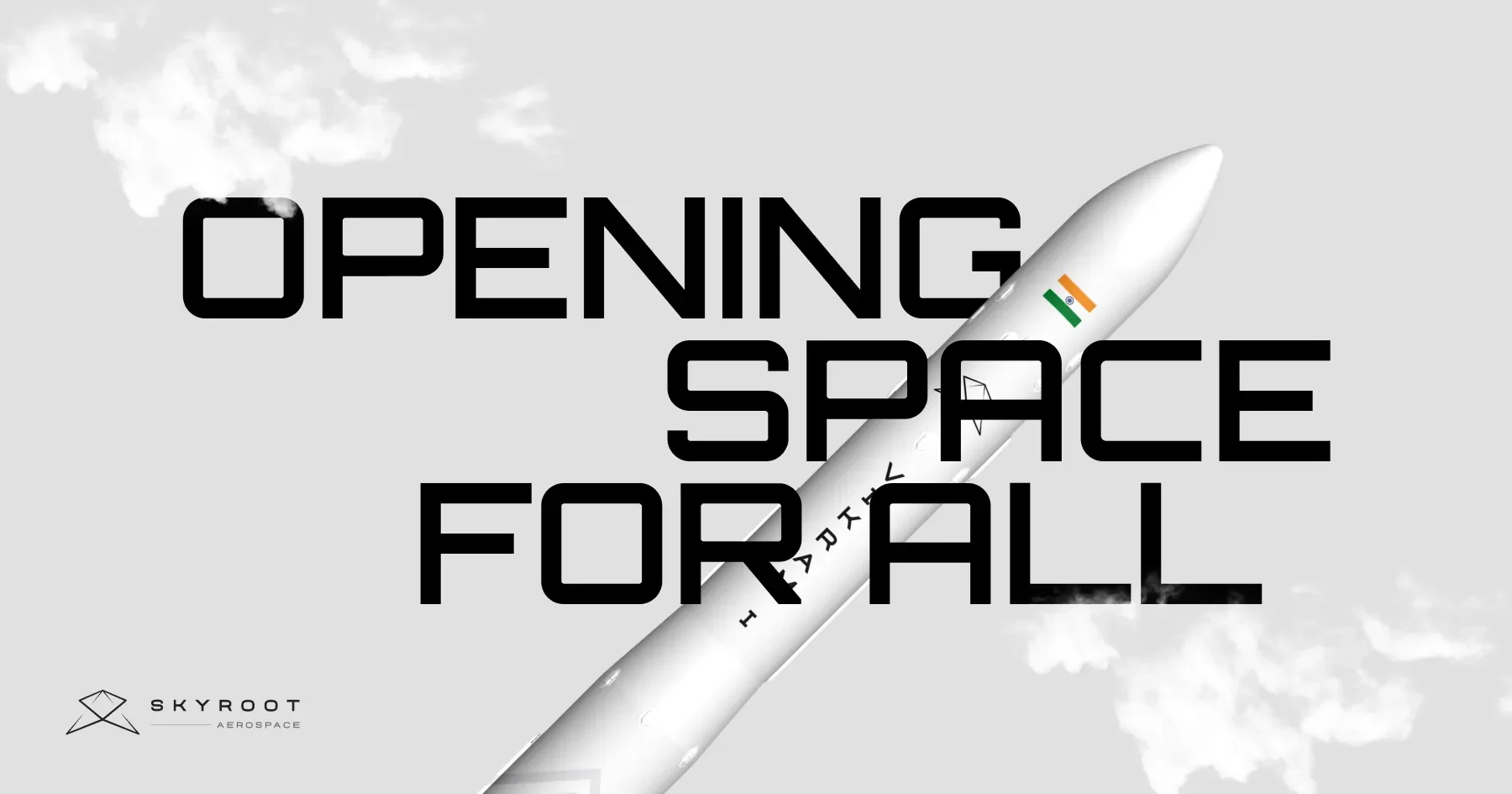
Skyroot Aerospace is India's first and leading private space launch company, on a mission to democratize access to space. Founded with the vision of making orbital access fast, flexible, and affordable, Skyroot is developing a family of launch vehicles under the Vikram brand — named after the father of India's space program, Dr. Vikram Sarabhai. Their flagship vehicle, Vikram-I, is a small satellite launch vehicle designed for rapid and precise deployments, capable of carrying up to 350 kg to Low Earth Orbit (LEO) and 260 kg to Sun-synchronous Orbit (SSO). It features an all-carbon composite structure, solid fuel boosters, and a 3D-printed liquid engine — making it one of the most innovative small launch vehicles in development today. Vikram-II, the next-generation rocket powered by an advanced cryogenic engine, significantly increases payload capacity — up to 900 kg to LEO and 600 kg to SSO — while maintaining multi-orbit flexibility and lightweight carbon composite construction. Both vehicles support dedicated launches (sole-payload missions) and rideshare arrangements, enabling startups, research institutions, and commercial satellite operators to access orbit on their own timelines. Skyroot's Infinity Campus serves as their manufacturing and innovation hub, inaugurated by Prime Minister Narendra Modi in November 2025. Both Vikram-I and Vikram-II are targeting commercial launches in 2026, positioning Skyroot as a key player in the global new-space economy.
Key Features
- Vikram-I Launch Vehicle: An all-carbon composite small satellite launch vehicle capable of deploying up to 350 kg to LEO or 260 kg to SSO, featuring solid fuel boosters and a 3D-printed liquid engine.
- Vikram-II Cryogenic Rocket: A next-generation launch vehicle powered by an advanced cryogenic engine, supporting payloads up to 900 kg to LEO and 600 kg to SSO with multi-orbit agility.
- Dedicated & Rideshare Launch Options: Flexible mission configurations allow satellite operators to choose between dedicated launches for full-vehicle control or rideshare arrangements for cost-effective access to orbit.
- Custom Orbital Deployment: Tailored deployment solutions ensure precise orbital insertion for each customer's satellite, accommodating custom inclinations and altitude requirements.
- Made in India Manufacturing: Rockets are fully designed and manufactured in India at the state-of-the-art Infinity Campus, supporting India's growing new-space ecosystem.
Use Cases
- Small satellite operators seeking affordable, on-demand access to Low Earth Orbit or Sun-synchronous Orbit without long launch manifest wait times.
- Earth observation companies needing precise orbital insertion for imaging, weather monitoring, or environmental surveillance satellites.
- IoT and communications startups deploying small constellation satellites for global connectivity or asset tracking.
- Research institutions and universities launching experimental payloads or CubeSats under tight budget and timeline constraints.
- Government and defense agencies requiring dedicated, flexible launch windows for strategic satellite deployments.
Pros
- On-Demand Launch Flexibility: Customers can schedule launches on their own timeline with dedicated or rideshare options, reducing the long wait times typical of traditional launch providers.
- Cost-Effective Small Satellite Access: Skyroot's lightweight carbon composite construction and 3D-printed engines help drive down costs, making orbital access more affordable for small satellite operators.
- Proven Track Record: Mission Prarambh (November 2022) made history as India's first private rocket launch, demonstrating Skyroot's technical capability and execution.
- Scalable Vehicle Family: With both Vikram-I and Vikram-II covering a wide payload range (up to 900 kg), Skyroot serves a broad spectrum of satellite missions from a single provider.
Cons
- Vehicles Not Yet Commercially Operational: Both Vikram-I and Vikram-II are targeting 2026 launches, meaning customers cannot yet book a confirmed flight on a proven orbital vehicle.
- Limited Payload Capacity vs. Larger Rockets: With a maximum of 900 kg to LEO, Skyroot is focused on the small satellite market and cannot accommodate medium or large satellite constellations.
- Single Launch Site Dependency: Current operations are tied to India's Sriharikota launch facility, which may limit orbital inclination options compared to providers with multiple global launch sites.
Frequently Asked Questions
What types of satellites can Skyroot launch?
Skyroot's Vikram-I can carry up to 350 kg to Low Earth Orbit and 260 kg to Sun-synchronous Orbit, making it ideal for small satellites and CubeSats. Vikram-II supports larger payloads up to 900 kg to LEO.
When will Vikram-I and Vikram-II be available for commercial launches?
Both Vikram-I and Vikram-II are targeting commercial launches in 2026. Skyroot unveiled Vikram-I at its Infinity Campus inauguration in November 2025.
Does Skyroot offer rideshare launch options?
Yes. Skyroot supports both dedicated launches (where a single customer's payload fills the rocket) and rideshare arrangements (where multiple customers share the launch vehicle), providing flexibility to match mission budgets.
What was Mission Prarambh?
Mission Prarambh, launched in November 2022 from Sriharikota, was the first private rocket launch in India. The mission used Vikram-S, an all-carbon composite suborbital rocket, marking the beginning of India's private space launch industry.
Where are Skyroot's rockets manufactured?
Skyroot's rockets are fully designed and manufactured in India at the Infinity Campus, an advanced aerospace manufacturing and innovation hub inaugurated by Prime Minister Narendra Modi in November 2025.