

About
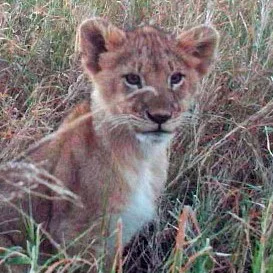
Snapshot Serengeti is a people-powered research project hosted on the Zooniverse platform, enabling volunteers worldwide to contribute to real wildlife science without any specialized expertise. Hundreds of camera traps distributed across Serengeti National Park, Tanzania, have been capturing images of Africa's iconic wildlife continuously since 2010, generating millions of photographs that require human classification. Volunteers are asked to look at camera trap images and identify the species, count, and behaviors of animals present — including wildebeest, lions, cheetahs, zebras, and dozens of other species. Each classification contributes directly to scientific datasets used by conservation biologists to study migration dynamics, predator-prey relationships, and the effectiveness of wildlife management strategies. The project is led by Craig Packer of the University of Minnesota Lion Center and operates under the Snapshot Safari umbrella, which monitors wildlife across Africa's most important protected areas. Classified datasets from Seasons 1–13 are publicly available through the Labeled Image Library of Alexandria (LILA), making the data accessible for further machine learning and ecological research. Snapshot Serengeti is ideal for wildlife enthusiasts, students, educators, and anyone interested in contributing to conservation. No prior knowledge is required — just curiosity and a few minutes to spare. The project also features a community discussion board (Zooniverse Talk) where volunteers can interact with researchers and fellow citizen scientists.
Key Features
- Citizen Science Image Classification: Volunteers classify millions of real camera trap images by identifying animal species, counts, and behaviors captured in Serengeti National Park.
- Continuous Camera Trap Grid: Hundreds of camera traps have been operating across the Serengeti since 2010, producing an extensive longitudinal dataset of African wildlife.
- Open Access Research Data: Classified datasets from Seasons 1–13 are freely available via the Labeled Image Library of Alexandria (LILA) for use in further ML and ecological research.
- Community Discussion (Zooniverse Talk): Volunteers can interact directly with the research team and other contributors through the built-in community discussion board.
- Part of Snapshot Safari Network: Snapshot Serengeti is part of the broader Snapshot Safari initiative monitoring wildlife health across Africa's key conservation areas.
Use Cases
- Wildlife enthusiasts contributing to African conservation by classifying animal species in camera trap images during their spare time.
- Academic researchers and students studying wildlife ecology using the openly available classified image datasets for machine learning model training.
- Educators incorporating citizen science into curricula by having students participate in real-world species identification tasks.
- Conservation organizations leveraging volunteer-generated data to assess the impact of wildlife management policies in Serengeti National Park.
- AI/ML developers using the LILA-hosted Snapshot Serengeti datasets to build and benchmark computer vision models for wildlife detection.
Pros
- Completely Free to Participate: Anyone can contribute without cost, making it highly accessible to students, hobbyists, and wildlife enthusiasts globally.
- Real Scientific Impact: Volunteer classifications directly feed into peer-reviewed conservation research, giving contributors a meaningful role in protecting African wildlife.
- No Expertise Required: The platform provides guidance so that participants of all backgrounds can contribute accurate classifications without prior zoological knowledge.
- Publicly Available Datasets: Classified data is openly shared, supporting the broader AI and ecology research community in training models and conducting studies.
Cons
- Limited Interactivity Beyond Classification: The core task is repetitive image labeling, which may feel monotonous for volunteers seeking a more varied experience.
- Project Completion Uncertainty: Progress depends entirely on volunteer activity; projects can stall if community engagement drops, leaving backlogs of unclassified images.
- Narrow Scope: The project is focused solely on Serengeti wildlife classification, limiting its appeal to users interested in other domains or geographies.
Frequently Asked Questions
Do I need scientific expertise to participate in Snapshot Serengeti?
No. The platform is designed for anyone to use. Volunteers are given simple instructions and reference guides to help identify animals, so no prior zoological knowledge is needed.
How are the classified images used?
Volunteer classifications are aggregated and used by conservation biologists to study wildlife migration, species distribution, and the effectiveness of park management strategies. Datasets are also made publicly available for AI and ecology research.
Is Snapshot Serengeti free to use?
Yes, it is completely free. Snapshot Serengeti is a volunteer-driven citizen science project hosted on the Zooniverse platform at no cost to participants.
Where can I download the classified Snapshot Serengeti data?
Classified data and bulk image downloads for Seasons 1–13 are available through the Labeled Image Library of Alexandria (LILA) at lila.science. Additional ecological metadata can be requested by emailing the University of Minnesota Lion Center.
What is Snapshot Safari and how does it relate to Snapshot Serengeti?
Snapshot Safari is a broader conservation monitoring initiative that uses camera traps to track wildlife across Africa's most important protected areas. Snapshot Serengeti is one of its flagship projects, focused specifically on Serengeti National Park in Tanzania.