

About
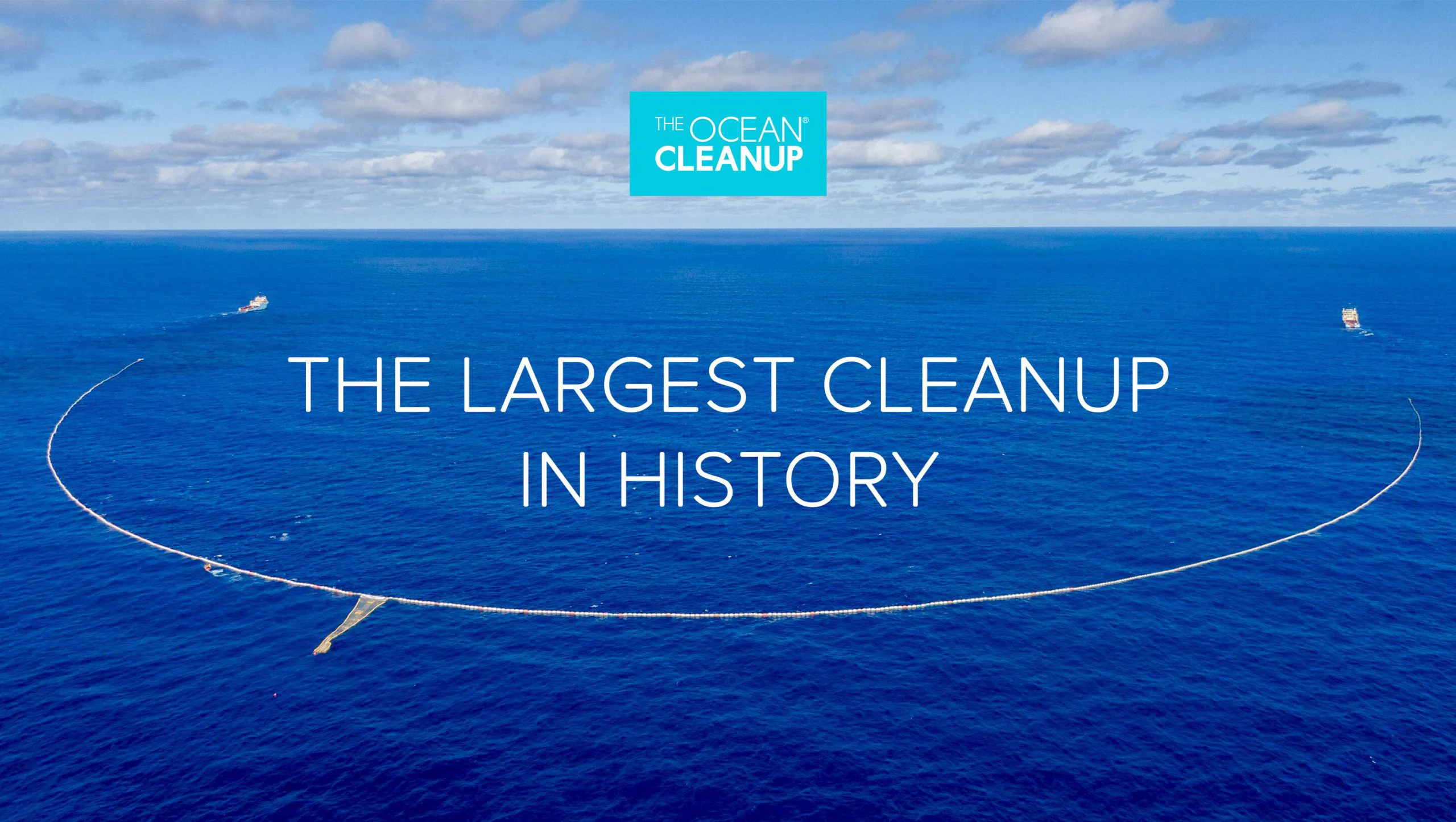
The Ocean Cleanup is a pioneering non-profit organization that researches, develops, and deploys large-scale technologies to combat plastic pollution in the world's oceans and rivers. Founded over a decade ago, the organization tackles the crisis from multiple angles: cleaning legacy plastic from ocean garbage patches, intercepting plastic flowing from the world's top 1,000 most-polluting rivers, and advocating for international plastic regulations through initiatives like the Global Plastics Treaty. Their flagship effort focuses on the Great Pacific Garbage Patch, which contains over 100 million kilograms of floating plastic. Complementing ocean operations, their Interceptor technology targets riverine plastic — which accounts for 80% of ocean plastic input — before it reaches the sea. To date, tens of millions of kilograms of plastic have been removed. The organization publishes scientific research and maintains an Impact Dashboard to track real-time progress. They engage the public through citizen science programs, fundraising campaigns, merchandise, and partnerships with businesses. The Ocean Cleanup also supports waste management, valorization, and environmental and social impact programs in the communities they serve. Whether through donations, corporate partnerships, or volunteering, anyone can participate in what the organization calls the largest cleanup in history.
Key Features
- Ocean Garbage Patch Cleanup: Deploys large-scale systems to extract plastic from the Great Pacific Garbage Patch, the world's largest accumulation of floating ocean plastic.
- River Interceptor Technology: Operates Interceptor devices on the world's 1,000 most-polluting rivers to stop plastic before it enters the ocean.
- Real-Time Impact Dashboard: Provides a publicly accessible dashboard tracking plastic removal progress, deployments, and environmental impact in real time.
- Scientific Research & Publications: Conducts and publishes peer-reviewed research on ocean plastic facts, garbage patch mapping, pollution sources, and removal methods.
- Global Policy Advocacy: Actively advocates for a Global Plastics Treaty and stronger international regulations to prevent future plastic pollution.
Use Cases
- Corporations seeking to offset plastic footprint through verified cleanup partnerships and environmental impact reporting.
- Researchers and scientists studying ocean plastic distribution, microplastics, and marine ecosystem impacts using published data.
- Educators and students learning about environmental science, ocean conservation, and large-scale technological solutions to pollution.
- NGOs and governments collaborating on river cleanup programs and international plastic policy advocacy.
- Individuals and communities participating in citizen science, fundraising, or awareness campaigns to combat ocean plastic pollution.
Pros
- Largest Cleanup Operation in History: Tens of millions of kilograms of plastic removed to date, with scalable technology being continuously improved and expanded globally.
- Dual-Front Approach: Addresses both legacy ocean pollution and river-source pollution simultaneously, maximizing long-term impact.
- Transparent & Science-Backed: Over 100 scientific publications and a live impact dashboard provide full transparency into operations and results.
- Open Participation: Welcomes individuals, businesses, and researchers through donations, partnerships, citizen science, and volunteering opportunities.
Cons
- Not a Software or AI Tool: This is a non-profit environmental organization, not a digital product or AI-powered application — it offers no software features or SaaS functionality.
- Reliant on Donations & Partnerships: Operations depend on continuous funding from public donations and corporate partners, which can impact scalability and long-term planning.
- Long-Term Timeline: The 90% cleanup goal targets 2040, meaning measurable large-scale results require sustained multi-decade commitment.
Frequently Asked Questions
What is The Ocean Cleanup?
The Ocean Cleanup is a non-profit organization that develops and deploys technologies to remove plastic from the world's oceans and rivers, aiming to eliminate 90% of floating ocean plastic by 2040.
How does The Ocean Cleanup remove plastic from the ocean?
They use large passive cleanup systems that leverage ocean currents to concentrate and collect floating plastic, particularly in the Great Pacific Garbage Patch, which is then transported back to shore for processing.
What is the Interceptor?
The Interceptor is a river-based device designed to collect plastic waste from rivers before it reaches the ocean. It targets the 1,000 rivers responsible for 80% of riverine plastic pollution.
How can I support The Ocean Cleanup?
You can donate, become a corporate partner, fundraise, volunteer, become a citizen scientist, or purchase merchandise — all of which fund plastic removal missions and technology development.
How much plastic has The Ocean Cleanup removed so far?
As of their latest updates, The Ocean Cleanup has removed tens of millions of kilograms of plastic from oceans and rivers globally, with progress tracked in real time on their Impact Dashboard.