

About
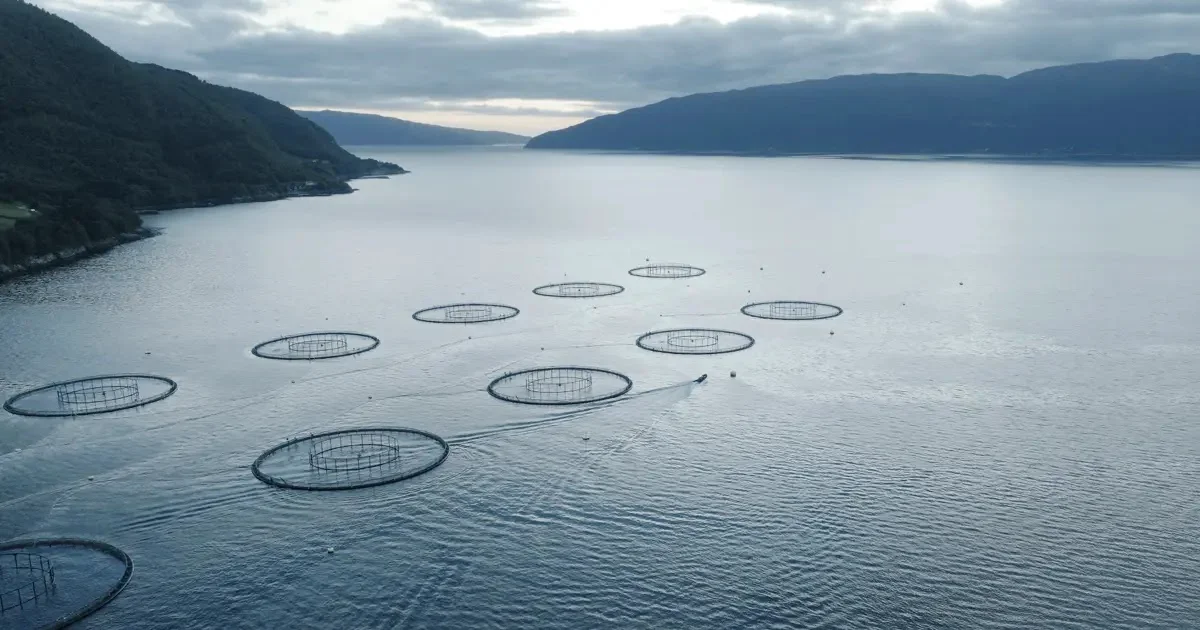
Tidal is an AI-driven aquaculture technology company that graduated from Google X in 2024. It was founded to address two of humanity's most pressing challenges: the global food crisis and ocean degradation. Nearly 90% of the world's wild fisheries are depleted, yet seafood demand continues to rise — Tidal's mission is to make ocean-based fish farming dramatically more sustainable through intelligent technology. At the core of Tidal's offering is an underwater vision and robotics system that is continuously deployed in fish farms, from Arctic fjords to the open North Sea. Leveraging computer vision and AI, the platform detects and interprets fish behaviors such as feeding patterns, monitors individual fish growth and health over time, tracks environmental variables like water temperature and oxygen levels, and flags potential disease outbreaks or pest infestations early. By analyzing these data streams in real time, Tidal enables fish farmers to automate and optimize feeding — drastically reducing uneaten food waste that pollutes surrounding waters — and make more informed decisions around fish welfare. The system is hardened to withstand harsh oceanic conditions including saltwater, strong currents, and freezing temperatures. Tidal's technology is purpose-built for aquaculture operators, environmental sustainability advocates, and global food system innovators. It represents a convergence of robotics, computer vision, and environmental data analytics aimed at feeding a projected 10-billion-person global population by 2050 without further depleting ocean resources.
Key Features
- Underwater Computer Vision: AI-powered cameras continuously monitor fish underwater, detecting individual behaviors such as feeding activity, signs of illness, and pest presence in real time.
- Automated Feeding Optimization: The platform interprets fish feeding behaviors to automate and fine-tune feeding schedules, minimizing uneaten food waste and reducing water pollution.
- Fish Health & Growth Tracking: Tidal continuously tracks fish growth rates and health indicators over time, enabling early detection of disease outbreaks and proactive welfare management.
- Environmental Monitoring: Sensors collect real-time data on critical environmental variables — including water temperature, oxygen levels, and currents — to ensure optimal farming conditions.
- Ocean-Hardened Robotics: The underwater hardware is engineered to operate reliably in extreme oceanic environments, including saltwater, freezing Arctic temperatures, and powerful wave action.
Use Cases
- Aquaculture operators monitoring real-time fish health and detecting disease outbreaks early to reduce mortality and economic losses.
- Fish farms automating feeding systems based on AI-analyzed fish behavior to minimize uneaten food waste and water pollution.
- Sustainable seafood producers tracking environmental conditions like temperature and oxygen levels to maintain optimal fish welfare.
- Ocean sustainability initiatives using Tidal's data to demonstrate and certify environmentally responsible farming practices.
- Agri-food companies and investors assessing aquaculture operations for ESG compliance and sustainable supply chain sourcing.
Pros
- Rooted in Deep R&D: Developed within Google X with rigorous testing across multiple environments — from lab kiddie pools to Norwegian Arctic fjords — ensuring a battle-tested, reliable system.
- Dual Environmental and Economic Impact: Tidal simultaneously reduces environmental harm (waste, pollution, overfishing pressure) and improves farm productivity, creating a compelling value proposition for operators.
- Real-Time, Continuous Monitoring: Unlike manual spot-checks, Tidal provides uninterrupted data streams so farmers can respond to health or environmental issues before they escalate into costly problems.
Cons
- Niche Market Focus: The platform is specifically designed for aquaculture operators, making it irrelevant for businesses outside ocean-based fish farming.
- Hardware Deployment Complexity: As a physical robotics and sensor system, deployment requires significant on-site installation and ongoing hardware maintenance in challenging marine environments.
- Pricing Likely Enterprise-Only: There is no publicly available pricing or self-serve tier; access likely requires direct partnership engagement, potentially limiting accessibility for smaller fish farms.
Frequently Asked Questions
What is Tidal and who created it?
Tidal is an AI and robotics company that was incubated at Google X (Alphabet's moonshot factory) and graduated as an independent company in 2024. It was founded to use underwater computer vision and AI to make fish farming more sustainable.
How does Tidal's underwater AI system work?
Tidal deploys cameras, sensors, and robotics underwater at fish farms. The system uses computer vision and machine learning to monitor fish behavior, track growth and health, detect disease or pests, measure environmental conditions, and automate feeding decisions in real time.
What problem does Tidal solve for fish farmers?
Most fish farmers lack reliable, real-time visibility into the health of their fish and farm environment. This information gap leads to disease outbreaks, overfeeding, and pollution. Tidal fills this gap with continuous underwater monitoring and AI-driven insights.
Where has Tidal been tested and deployed?
Tidal has tested its technology across multiple environments, starting in X labs, then progressing to live fish runs, and eventually deploying prototypes at Norwegian fish farms in Arctic fjords and the open North Sea.
How does Tidal contribute to ocean sustainability?
By helping fish farmers reduce waste, prevent disease, and optimize resource use, Tidal reduces the environmental footprint of aquaculture. This relieves pressure on wild fish stocks — nearly 90% of which are already depleted — and helps protect ocean ecosystems for future generations.