
About
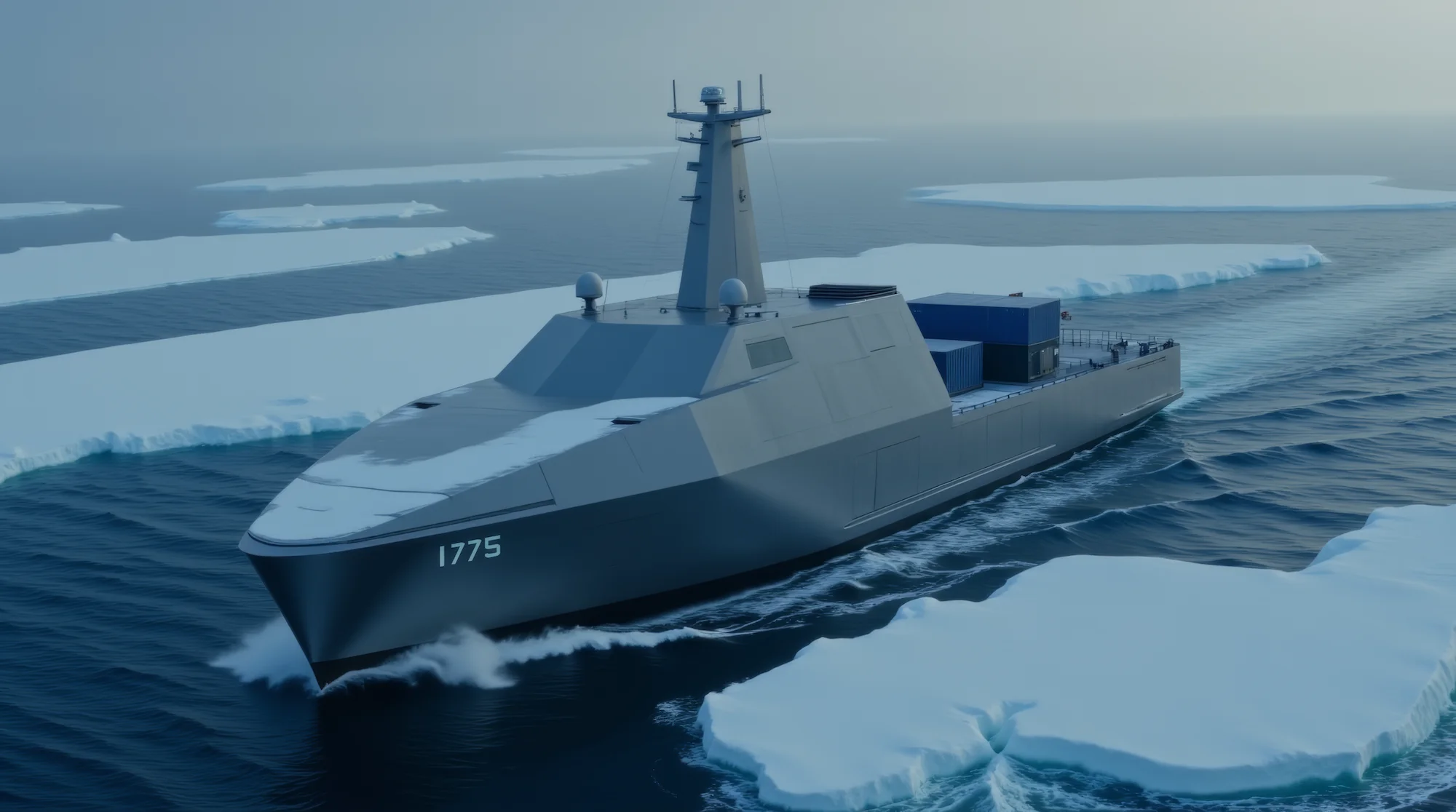
Blue Water Autonomy is a defense technology company accelerating maritime autonomy for blue-water naval operations. Founded by Navy veterans and experienced technology entrepreneurs — including alumni of Amazon Robotics, iRobot, MIT, Harvard, and Ukraine's front-line drone ecosystem — the company is purpose-built to modernize U.S. shipbuilding and naval power projection. At the core of their platform is the Liberty Class, a 190-foot Unmanned Surface Vessel (USV) designed for mass production, long-range endurance, and evolving multi-mission warfare roles alongside human-crewed fleets. The vessels are engineered to operate autonomously across open-ocean environments, addressing the growing challenge of asymmetric maritime threats that modern navies face globally. Blue Water Autonomy's approach combines lessons from commercial robotics — including warehouse automation, consumer robotics (Roomba), and hardware manufacturing at scale — with hard-won operational insight from front-line naval intelligence and drone warfare. Their leadership team brings deep expertise in ocean engineering, autonomous systems, and defense procurement. The company is revitalizing U.S. shipbuilding through designs that scale rapidly, integrating AI-driven autonomy to extend fleet reach without proportional increases in crew risk. Their technology is intended for navies operating in contested maritime environments where speed, survivability, and cost-efficiency are critical. Blue Water Autonomy serves government and defense sector clients seeking next-generation unmanned naval capabilities.
Key Features
- Liberty Class USV: A 190-foot autonomous warship designed for mass production and long-range open-ocean operations, capable of multi-mission deployment alongside crewed fleets.
- Autonomous Navigation & Operation: AI-driven autonomy systems enable the vessels to operate independently across complex, contested maritime environments without a crew on board.
- Mass-Production Engineering: Vessel designs are purpose-engineered for scalable manufacturing, drawing on industrial robotics and hardware production expertise to rapidly expand fleet capacity.
- Multi-Mission Capability: Platforms are designed to evolve with changing warfare needs, supporting intelligence, surveillance, reconnaissance, and combat mission profiles.
- Front-Line Informed Design: Insights from Ukraine drone operations and active U.S. Navy service are directly incorporated into vehicle architecture and mission planning systems.
Use Cases
- U.S. Navy fleet augmentation with autonomous surface vessels for open-ocean patrol and deterrence missions
- Multi-mission ISR (intelligence, surveillance, and reconnaissance) operations in contested maritime zones without endangering crew
- Rapid-scale shipbuilding programs leveraging mass-production engineering to grow autonomous fleet capacity cost-effectively
- Countering asymmetric drone and unmanned vessel threats from near-peer adversaries in Pacific and global theaters
- Allied navy partnerships seeking autonomous maritime capabilities aligned with democratic defense strategies
Pros
- Battle-Tested Leadership: Founded by Navy veterans and proven tech entrepreneurs with track records at Amazon Robotics, iRobot, MIT Ocean Engineering, and front-line drone warfare.
- Scalable Production Model: Engineering emphasis on mass production makes rapid fleet expansion feasible — a critical advantage in modern naval deterrence and warfighting.
- Addresses Real Asymmetric Threats: The platform is directly tailored to counter the drone-warfare and unmanned threat evolution reshaping modern naval battlefields.
Cons
- Narrow Market: Serves exclusively government and defense clients, limiting addressable market to military procurement cycles which can be slow and bureaucratic.
- Early-Stage Company: As a startup in a capital-intensive, heavily regulated sector, production scale and proven operational deployment are still maturing.
- Limited Public Transparency: Defense technology constraints mean many technical specifications, pricing, and capabilities remain classified or undisclosed publicly.
Frequently Asked Questions
What is the Liberty Class vessel?
The Liberty Class is Blue Water Autonomy's flagship 190-foot Unmanned Surface Vessel (USV) introduced in February 2026, designed for open-ocean autonomous operations with the U.S. Navy.
Who is Blue Water Autonomy built for?
The company primarily serves the U.S. Navy and allied democratic navies seeking autonomous surface vessels to counter asymmetric maritime threats at scale.
How does Blue Water Autonomy's technology work?
Their USVs use AI-driven autonomy systems for navigation and mission execution on the open ocean, enabling crewless operation across multi-mission profiles from intelligence gathering to combat support.
Who founded the company?
Blue Water Autonomy was co-founded by Rylan Hamilton (Navy veteran, former Amazon Robotics leader, founder of 6 River Systems sold to Shopify for $450M), Scott N. Miller (MIT Ocean Engineering, iRobot VP of Engineering), and Austin Gray (Navy intelligence officer, MIT/Harvard graduate, Ukraine drone volunteer).
Why is maritime autonomy important for modern defense?
Asymmetric threats — including drone swarms and low-cost adversary vessels — are reshaping naval warfare. Autonomous USVs allow navies to extend reach, reduce crew risk, and respond faster and at lower cost than traditional crewed warships.