

About
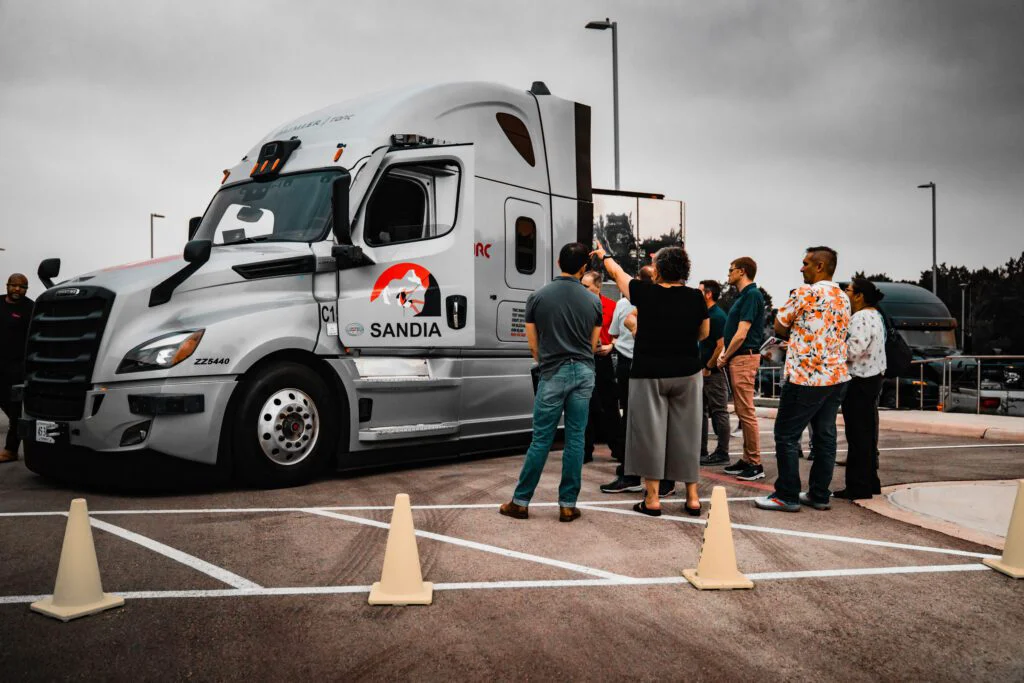
Torc Robotics is a pioneering autonomous vehicle company dedicated to commercializing self-driving trucks for the freight industry. As an independent subsidiary of Daimler Truck, Torc leverages decades of trucking expertise combined with cutting-edge AI and sensor technology to build reliable, safety-first autonomous solutions for long-haul transportation. Torc's product strategy centers on a focused hub-to-hub model using the Freightliner Cascadia platform — one of the most widely used trucks in North American freight. The company collaborates with top-tier fleet management companies and national freight carriers such as Schneider to pilot and refine real-world autonomous deployments. Safety is the cornerstone of Torc's engineering philosophy. Expert engineers continuously iterate on both hardware and software, integrating industry-leading sensors that enable trucks to perceive and respond to their environment in real time. Every system component undergoes rigorous testing before deployment. Beyond technology, Torc is building a robust ecosystem of partners — from hardware suppliers to logistics operators — necessary to bring autonomous freight solutions to scale. The company attracts top talent with its fast-paced startup culture backed by the resources of a global automotive leader. Torc's mission addresses critical challenges facing the freight industry: driver shortages, rising logistics costs, and the need for safer highways. By automating the most repetitive and demanding segments of long-haul trucking, Torc aims to become the world's leading autonomous trucking solution.
Key Features
- Hub-to-Hub Autonomous Driving: Purpose-built for long-haul freight routes between distribution hubs, focusing on the most scalable and repeatable segment of the supply chain.
- Safety-First Engineering: Every component — hardware and software — is continuously tested and refined by expert engineers, with industry-leading sensors enabling real-time perception and response.
- Freightliner Cascadia Integration: Deeply integrated with the top-selling Freightliner Cascadia truck, ensuring a production-ready and commercially viable autonomous platform.
- Fleet & Partner Ecosystem: Collaborative pilot programs with national freight carriers like Schneider, plus a growing network of hardware and logistics partners building the full autonomy stack.
- Daimler Truck Backing: Operates as an independent subsidiary of Daimler Truck, combining startup agility with the financial strength and industry credibility of a global automotive leader.
Use Cases
- Automating long-haul freight lanes between major distribution hubs to reduce reliance on human drivers for repetitive highway segments.
- Helping national freight carriers like Schneider improve operational efficiency and lower transportation costs through autonomous truck deployments.
- Addressing the trucking industry's persistent driver shortage by deploying AI-powered vehicles capable of operating safely on defined interstate corridors.
- Enhancing highway safety by replacing human-error-prone driving with sensor-integrated, AI-driven autonomous systems on high-traffic freight routes.
- Enabling fleet operators to scale freight capacity without proportional increases in driver headcount, supporting growing e-commerce and logistics demand.
Pros
- Strong Industry Partnerships: Active pilot programs with major freight companies like Schneider provide real-world validation and accelerate commercial deployment.
- Safety-Centric Culture: Safety is embedded at every level — from engineering methodology to public transparency — building trust with regulators, partners, and the public.
- Backed by Daimler Truck: Access to Daimler Truck's resources, supply chain, and global industry network significantly de-risks the path to commercial scale.
- Focused Product Strategy: Concentration on a single high-volume platform (Freightliner Cascadia) and defined use case (hub-to-hub) enables faster iteration and deployment.
Cons
- Limited Truck Platform Support: Currently focused exclusively on the Freightliner Cascadia, which restricts adoption by fleets running other truck brands or configurations.
- Enterprise-Only Accessibility: Solutions are targeted at large fleet operators and freight companies, making the technology inaccessible to owner-operators or small carriers.
- Still in Commercialization Phase: As of 2026, the technology is still being piloted and commercialized rather than widely deployed, meaning full-scale availability is not yet realized.
Frequently Asked Questions
What type of trucks does Torc Robotics focus on?
Torc is laser-focused on the Freightliner Cascadia, one of the top-selling trucks in North America, leveraging its widespread adoption to build a commercially scalable autonomous platform.
What routes does Torc's autonomous technology cover?
Torc is developing a hub-to-hub product designed for long-haul freight routes between major distribution centers, targeting the most repeatable and high-volume segments of the supply chain.
How does Torc ensure the safety of its self-driving trucks?
Safety is foundational to Torc's engineering process. Expert engineers continuously iterate on software and hardware, integrate industry-leading sensors for real-time perception, and rigorously test all systems before deployment.
Who owns Torc Robotics?
Torc Robotics operates as an independent subsidiary of Daimler Truck, giving it startup flexibility while benefiting from the resources and credibility of a global commercial vehicle leader.
Who are Torc's key partners?
Torc partners with top fleet management and freight companies — including Schneider — as well as hardware suppliers and technology providers to build out a comprehensive autonomous trucking ecosystem.