

About
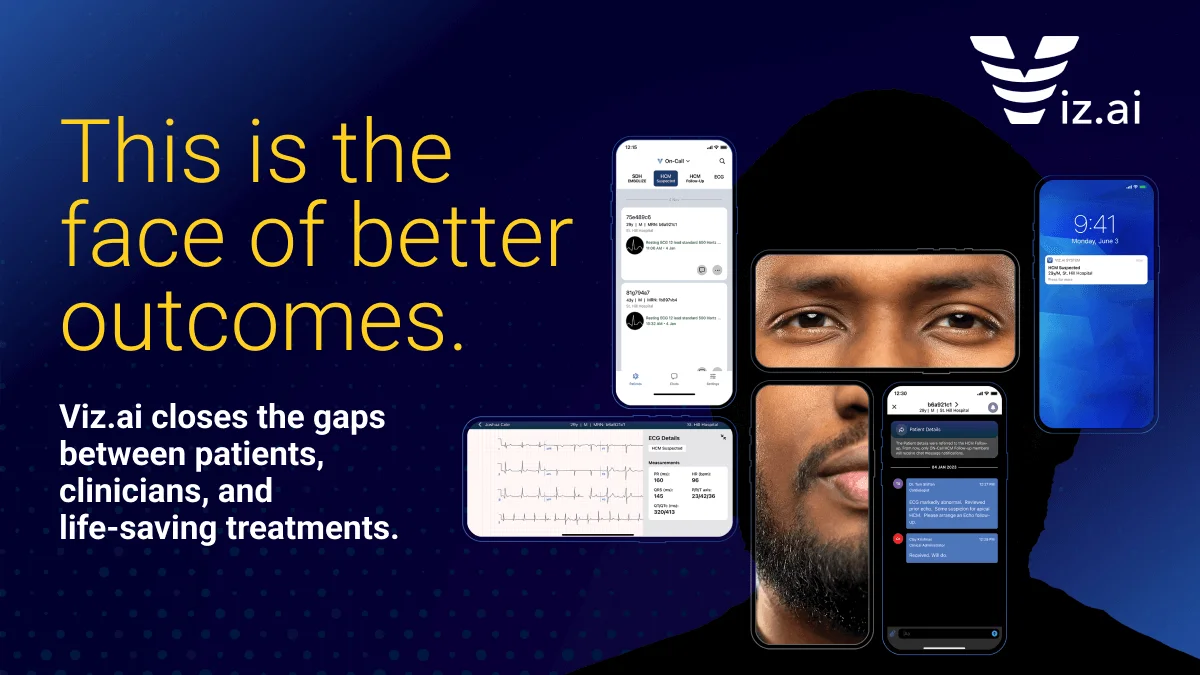
Viz.ai is a clinically validated, enterprise-grade AI care coordination platform designed to transform how hospitals and health systems detect disease and coordinate treatment. Trusted by more than 1,700 hospitals, it harnesses over 50 FDA-cleared AI algorithms to automatically analyze medical imaging data—including CT scans, MRIs, EKGs, and echocardiograms—in real time, alerting care teams within seconds of a suspected diagnosis. The platform spans multiple therapeutic suites: Viz Neuro Suite addresses large vessel occlusion (LVO), cerebral aneurysm, CT perfusion, hemorrhage, and post-acute stroke. The Viz Vascular Suite covers aortic disease and pulmonary embolism. The Viz Cardio Suite handles hypertrophic cardiomyopathy, acute coronary syndrome, and post-acute stroke. Additional suites address oncology, trauma, and radiology workflows. Viz.ai One is its flagship enterprise platform, integrating AI detection, automated assessments, and care team communication into a single solution. Viz Assist provides an intelligent workflow assistant that streamlines clinical decision-making across departments. Designed for health system providers and life sciences partners, Viz.ai has demonstrated measurable improvements in time-to-treatment, patient outcomes, and economic performance. It also integrates with Microsoft Cloud for Healthcare and supports clinical research, making it suitable for both operational deployment and evidence-based innovation programs.
Key Features
- 50+ FDA-Cleared AI Algorithms: Analyzes CT scans, MRIs, EKGs, and echocardiograms in real time to auto-detect suspected diseases across neurology, cardiology, vascular, oncology, and trauma specialties.
- Viz.ai One Enterprise Platform: An all-in-one care coordination solution that unifies AI-powered disease detection, automated clinical alerts, and team communication across hospital departments.
- Multi-Specialty Disease Suites: Dedicated AI suites for Neuro (LVO, aneurysm, hemorrhage), Vascular (aortic disease, PE), Cardio (HCM, ACS), Oncology, Trauma, and Radiology workflows.
- Viz Assist Workflow Assistant: An intelligent assistant that streamlines clinical decision-making, reduces administrative burden, and accelerates care team coordination.
- Clinically Validated Outcomes: Backed by published clinical research and real-world data demonstrating measurable improvements in time-to-treatment, patient outcomes, and economic performance.
Use Cases
- A hospital's radiology team uses Viz.ai to automatically flag suspected large vessel occlusions on CT scans and instantly alert the stroke team for rapid intervention.
- A health system deploys Viz Cardio Suite to detect hypertrophic cardiomyopathy from EKG data, enabling earlier diagnosis and reducing time to specialist referral.
- A life sciences company partners with Viz.ai to identify eligible patients for a clinical trial by leveraging AI-powered imaging analysis across a network of hospitals.
- An emergency department uses Viz Vascular Suite to auto-detect pulmonary embolism on CT scans and trigger immediate care coordination workflows.
- A hospital network implements Viz.ai One as an enterprise platform to standardize AI-assisted care coordination across multiple facilities and therapeutic areas.
Pros
- Broad Clinical Coverage: Addresses a wide range of life-threatening conditions across multiple specialties with dedicated, FDA-cleared AI models, making it a comprehensive enterprise solution.
- Rapid Real-Time Alerts: Autodetects suspected diseases in seconds, enabling faster mobilization of care teams and reducing critical time-to-treatment windows.
- Clinically Validated & FDA-Cleared: All algorithms have undergone rigorous clinical validation and FDA clearance, providing hospitals with regulatory confidence and evidence-based performance data.
- Enterprise Scalability: Trusted by 1,700+ hospitals and integrates with Microsoft Cloud for Healthcare, supporting large health systems and life sciences partners at scale.
Cons
- Enterprise Pricing Only: Viz.ai is positioned as an enterprise platform with no publicly available pricing or self-serve tier, making it inaccessible to smaller clinics or independent providers.
- Implementation Complexity: Deploying an enterprise AI care coordination platform across a hospital system requires significant IT integration, staff training, and change management efforts.
- Specialty-Specific Scope: While broad, the platform is primarily designed for acute and time-sensitive conditions; it may not address routine outpatient or primary care workflows.
Frequently Asked Questions
What conditions can Viz.ai detect?
Viz.ai can detect a wide range of conditions including large vessel occlusion (LVO), cerebral aneurysm, intracranial hemorrhage, pulmonary embolism, aortic disease, hypertrophic cardiomyopathy, acute coronary syndrome, and suspected oncology findings, among others.
How many AI algorithms does Viz.ai offer?
Viz.ai offers more than 50 FDA-cleared AI algorithms that analyze medical imaging data such as CT scans, MRIs, EKGs, and echocardiograms in real time.
Is Viz.ai FDA-cleared?
Yes. All of Viz.ai's AI algorithms are FDA-cleared and clinically validated, with performance backed by peer-reviewed publications and real-world outcome data.
How does Viz.ai integrate with existing hospital systems?
Viz.ai is designed to integrate with existing hospital infrastructure including PACS, EHR systems, and Microsoft Cloud for Healthcare, enabling automated imaging analysis and care team alerts without replacing existing workflows.
Who is Viz.ai designed for?
Viz.ai is designed for hospital systems, health networks, and life sciences companies. It serves clinicians across neurology, cardiology, vascular surgery, radiology, oncology, and trauma specialties, as well as pharmaceutical and medical device partners seeking to improve patient identification and clinical trial enrollment.