

About
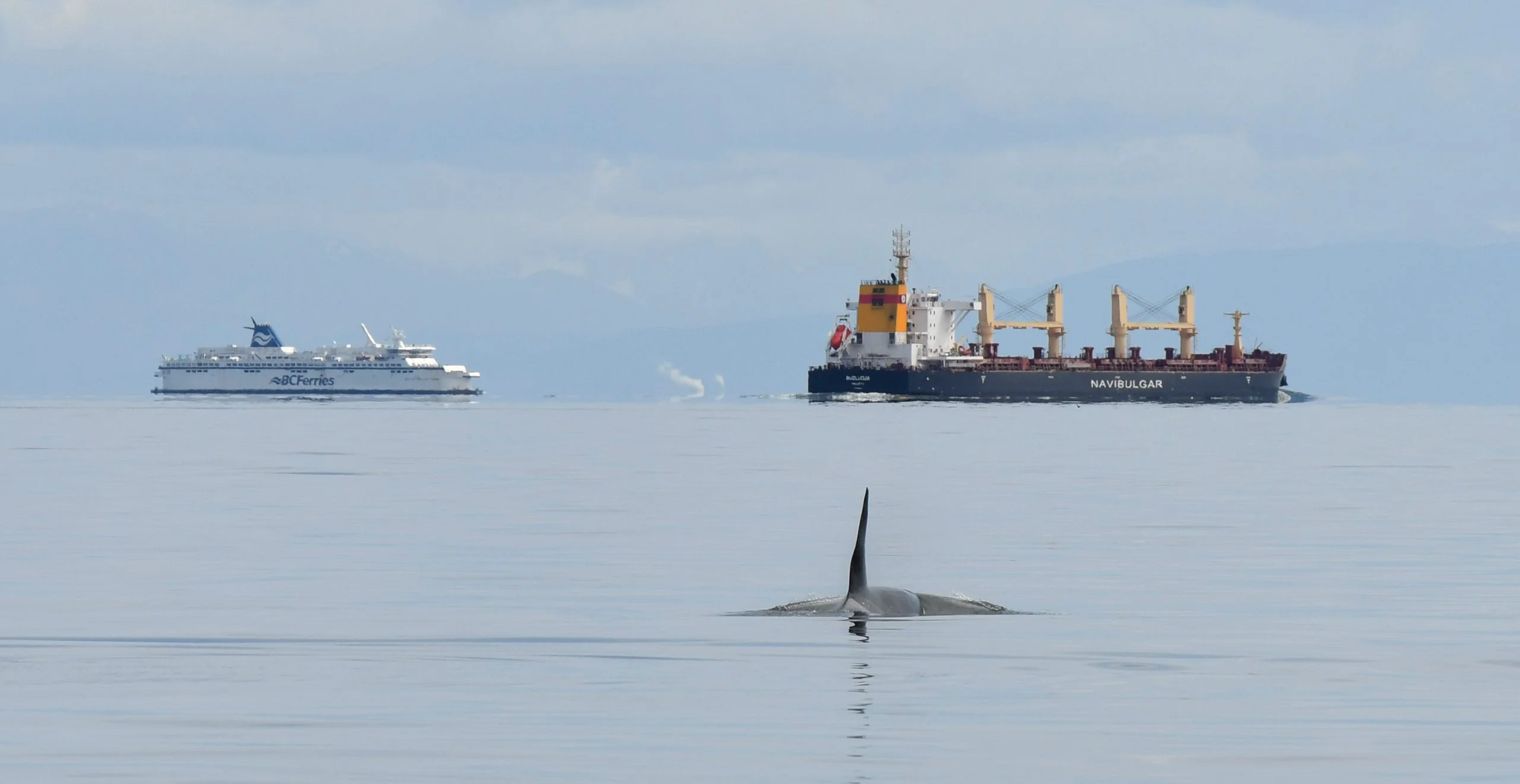
The Whale Report Alert System (WRAS) is an advanced, real-time conservation technology platform built by Ocean Wise to address one of the most pressing threats to large whale populations globally: ship strikes. With vessel traffic having increased by 300% over the past two decades and an estimated 20,000 fatal whale-vessel collisions occurring annually, the WRAS provides a critical layer of protection by bridging the gap between whale detection and mariner awareness. The system ingests live data from a wide array of whale detection platforms—including citizen sighting reports, acoustic buoys, aerial surveys, and research vessels—and processes this information to generate timely alerts disseminated to mariners in user-friendly formats. Commercial mariners, marine pilots, ship operators, government vessels, Indigenous communities, and conservation researchers can all request access to the system, enabling them to make informed routing and speed decisions before entering high-risk whale habitat zones. With over 200,000 whale encounters mitigated since its launch, the WRAS demonstrates the power of collaborative, data-driven conservation. It is a vital tool for sustainable maritime operations, supporting both environmental stewardship and regulatory compliance. The platform is especially valuable in regions with high concentrations of endangered species such as humpback, blue, fin, and North Atlantic right whales. Access is free for qualifying maritime and conservation organizations.
Key Features
- Real-Time Whale Alerts: Aggregates live whale sighting and detection data and instantly notifies mariners of whale presence in their route area.
- Multi-Source Data Integration: Pulls data from diverse detection platforms including citizen reports, acoustic monitors, aerial surveys, and research vessels for comprehensive coverage.
- Mariner-Friendly Dissemination: Delivers alerts in multiple user-friendly formats tailored to commercial vessel operators, marine pilots, and operations center staff.
- Proven Conservation Impact: Has already mitigated over 200,000 whale-vessel encounters, demonstrating measurable effectiveness in reducing fatal ship strikes.
- Multi-Stakeholder Access: Open to commercial mariners, government vessels, Indigenous communities, and conservation organizations, enabling broad maritime-wide adoption.
Use Cases
- Commercial ship operators and marine pilots consulting real-time whale alerts before transiting through known whale habitats to reduce strike risk.
- Port authority and operations center staff integrating WRAS alerts into vessel traffic management and routing recommendations.
- Indigenous coastal communities using whale presence data to monitor and protect culturally significant marine species in their traditional territories.
- Marine conservation researchers accessing aggregated whale sighting data to study distribution patterns, migration routes, and habitat usage.
- Government environmental agencies leveraging WRAS data to inform maritime policy, speed restriction zones, and seasonal shipping guidelines.
Pros
- Free for Qualifying Organizations: Access is provided at no cost to commercial maritime operators, government bodies, Indigenous groups, and conservation researchers.
- Documented Real-World Impact: Over 200,000 mitigated encounters provide strong evidence that the system meaningfully reduces whale mortality from ship strikes.
- Broad Data Coverage: Integrates multiple independent detection sources, improving the accuracy and timeliness of whale location data across wide ocean areas.
Cons
- Restricted Access: The system is not open to the general public—only approved maritime and conservation organizations can request access, limiting grassroots use.
- Geographic Scope Limitations: Coverage depends on the density of detection platforms and citizen reporters in a given region, which may vary significantly by area.
- Requires Mariner Action: The system provides alerts but relies on mariners voluntarily adjusting speed or course—compliance is not enforced.
Frequently Asked Questions
Who can access the Whale Report Alert System?
Access is available to commercial mariners (marine pilots, shipmasters, operations centre staff), government vessel operators, representatives of Indigenous governments or communities, and research and conservation organizations. General public access is not currently available.
How does the WRAS detect whale locations?
The WRAS aggregates real-time data from multiple sources including citizen whale sighting reports, acoustic detection buoys, aerial survey data, and research vessel observations to build a dynamic picture of whale presence in shipping lanes.
Is the Whale Report Alert System free to use?
Yes, access to the WRAS is free for qualifying maritime and conservation organizations. Users must submit a request for access and meet the eligibility criteria.
How does the WRAS help prevent ship strikes?
By delivering real-time alerts to mariners when whales are detected in or near their vessel's path, the WRAS enables crews to voluntarily slow down, alter course, or take other precautionary actions to avoid collisions.
How many ship strikes has the WRAS prevented?
The WRAS has mitigated over 200,000 whale-vessel encounter events since its inception, making it one of the most impactful whale conservation tools in the maritime industry.