
M
About
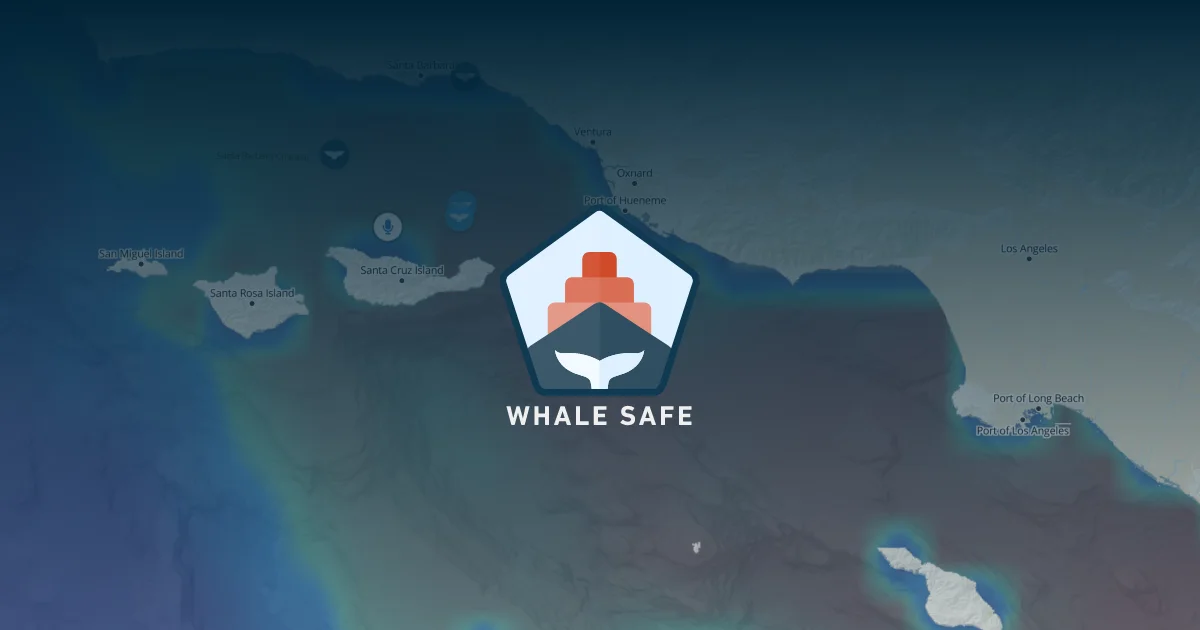
Whale Safe is a free, research-backed ocean conservation tool built by the Benioff Ocean Science Laboratory at UC Santa Barbara. It integrates multiple data streams—including whale sightings, acoustic buoy recordings, blue whale habitat models, and real-time marine vessel tracking—to generate daily whale presence ratings for the Santa Barbara Channel and San Francisco Bay. The platform features an interactive map where users can explore species-specific sightings (Blue, Humpback, and Fin whales), shipping corridor overlays, Vessel Speed Reduction (VSR) zones, and vessel movement data across customizable time ranges (24 hours, 5 days, or 30 days). Whale presence certainty levels are updated approximately every hour using rolling five-day data windows. A daily email alert system allows mariners, researchers, and conservationists to subscribe to whale activity updates compact enough to open via satellite email. The tool was developed in response to alarming trends—2018, 2019, and 2021 were the worst years on record for whale-ship collisions off the U.S. West Coast. Research shows that ships slowing to 10 knots in whale-dense areas dramatically reduce collision risk. Whale Safe is designed for shipping operators, port authorities, marine scientists, and conservation advocates who need actionable, data-driven insights to protect endangered whale populations.
Key Features
- Real-Time Whale Presence Ratings: Generates daily whale presence ratings (Low/Medium/High) with certainty levels for the Santa Barbara Channel and San Francisco Bay, updated hourly using rolling five-day data windows.
- Interactive Multi-Layer Map: An interactive map lets users toggle between species sightings (Blue, Humpback, Fin whales), acoustic buoy data, blue whale habitat models, vessel traffic, shipping corridors, and VSR zones.
- Blue Whale Habitat Modeling: Uses predictive habitat models informed by oceanographic data to estimate where blue whales are likely to be present, even when direct sightings are unavailable.
- Marine Traffic Vessel Monitoring: Displays real-time and historical vessel movements within monitored regions, allowing analysis of ship proximity to high whale-presence zones.
- Daily Email Whale Activity Alerts: Subscribers receive daily whale presence updates via email, formatted small enough to open via satellite connection—ideal for mariners at sea.
Use Cases
- Ship captains and maritime operators checking whale presence ratings before transiting high-risk shipping corridors to decide whether to reduce vessel speed.
- Marine biologists and ocean researchers monitoring whale sightings, acoustic detections, and habitat model outputs across California coastal regions.
- Port authorities and shipping regulators using vessel traffic and VSR zone data to evaluate speed reduction compliance in protected whale habitats.
- Environmental conservation organizations using Whale Safe data to advocate for policy changes and raise public awareness about whale-vessel collision risks.
- University researchers and students studying the intersection of commercial shipping activity and marine mammal conservation along the U.S. West Coast.
Pros
- Completely Free and Publicly Accessible: Developed by a university research lab and available at no cost, making it accessible to mariners, scientists, and the public alike.
- Multi-Source Data Integration: Combines acoustic monitoring, visual sightings, predictive habitat models, and AIS vessel tracking into a single, unified platform for comprehensive situational awareness.
- Actionable Conservation Impact: Directly supports speed reduction compliance by providing ships with clear, data-driven evidence of whale presence, reducing collision risk significantly.
Cons
- Geographically Limited Coverage: Currently only covers the Santa Barbara Channel and San Francisco Bay Region, leaving large stretches of whale habitat unmonitored.
- Acoustic Systems Can Go Offline: The platform notes when acoustic buoy systems are offline, meaning key data inputs may sometimes be unavailable, reducing rating confidence.
- Not a Traditional Productivity AI Tool: Whale Safe is a specialized conservation research tool rather than a general-purpose AI assistant, limiting its applicability outside marine and environmental contexts.
Frequently Asked Questions
What is Whale Safe?
Whale Safe is a free, technology-based mapping and analysis platform developed by UC Santa Barbara's Benioff Ocean Science Laboratory. It displays real-time whale and ship data for the Santa Barbara Channel and San Francisco Bay to help prevent fatal vessel-whale collisions.
How is the whale presence rating calculated?
The rating is derived from multiple data sources over a rolling five-day window, including visual whale sightings, acoustic buoy detections, and blue whale habitat model outputs. A certainty level (e.g., High or Low) accompanies each rating to indicate data confidence.
Which regions does Whale Safe cover?
Whale Safe currently covers two regions: the Santa Barbara Channel and the San Francisco Bay Area. Both regions have dedicated presence trackers and interactive map layers.
How can ships help prevent whale collisions?
Research shows that ships slowing to 10 knots or less in areas with high whale presence significantly reduce the risk of fatal collisions. Whale Safe provides presence ratings and VSR zone data to help mariners make informed speed decisions.
How do I sign up for whale activity updates?
You can sign up directly on the Whale Safe website to receive once-daily email updates on whale activity in the Santa Barbara Channel and San Francisco Bay. The emails are sized small enough to be opened via satellite connection.